

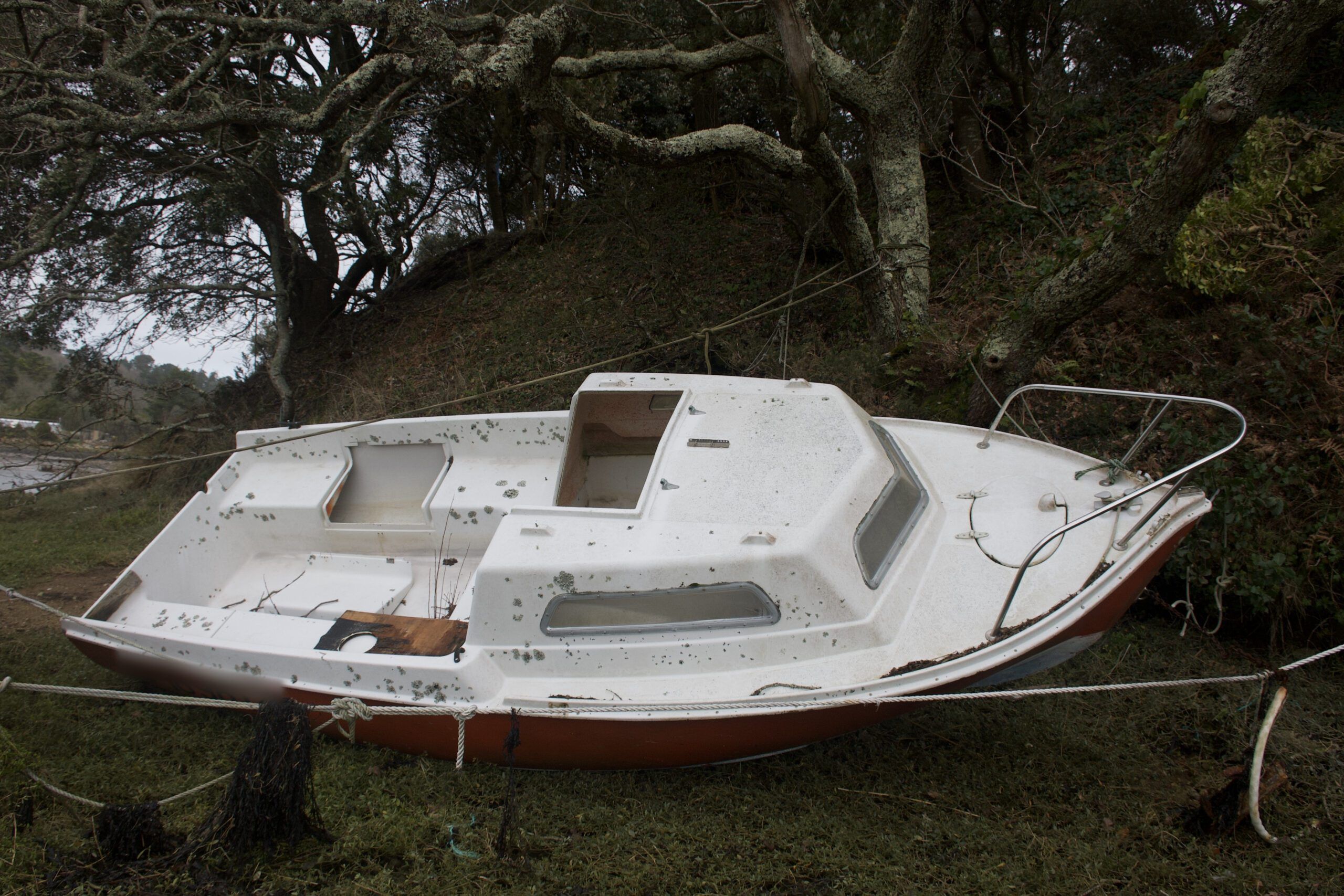
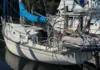
At low tide on the Goyen, a small estuary on the western tip of Brittany, a big old hull lies on its side in the mud. The name on the stern has faded. The paint has cracked and is flaking into the sediment, and large panels of fiberglass, probably once interior liners, are so degraded I can see exposed, javelin-like strands. Under the hand-held Bluetooth microscope I carry on mapping field trips, those strands are clearly glass fibers, loose and ready to go wherever the wind or next high tide transports them.
To continue reading this article or issue you must be a paid member. Sign in

Join Practical Sailor
Get full access to Practical-Sailor.com – more than 4,000 articles – for just $34.
Join today and save 42% off our full price.







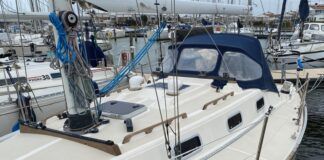


I wonder, were the masts and reusable items removed before the photographed boats were abandoned, or scavenged by others later? Or both?
Are HINs typically removed before abandonment, making the last registered owner impractical to locate?
Interestingly, this ship graveyard became an historic park. Not sayin’ this is any sort of excuse. In fact, it is a lesson in mismanaged salvage.
https://dnr.maryland.gov/ccs/Pages/mallowsbay.aspx
The sad fact is that the abandoning owner generally has run out of money. It’s unlikely that that person has $20K to recycle the boat.
The only real answer is another tax on boats to pay for any recycling campaign. If a boat lasts 40 years, then every owner would have to pay at least $500 per year to pay for end of life costs. No one is gong to vote for that.