

Mailport: June 2010
The June 2010 issue featured letters on subjects such as: spiders, addition of color to handheld electronics, DIY boatyard recommendation and propane fridges.
Inflatable Boat Coatings Long-term Test Launched
Topside paints for inflatable boats, in general, have a poor reputation for durability. Practical Sailor checked out a selection of coatings for Hypalon and PVC fabrics to see which one would best stand up to the tests of time on the water-and under the sun. Testers coated PVC and Hypalon panels with dinghy paints from MDR-Amazon, Synergy Research Corp. (Tuff Coat), Inland Marine, Polymarine (Flexithane and Superflex), and Flexdel Corp. (Flexabar Buoy Coating).
Two-Part Teak Cleaners
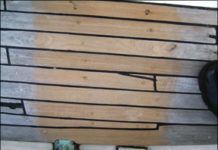
Whether its wood flooring or boat decks youre dealing with, cleaning teak presents special challenges. In March 2008, we tested one-part teak cleaners to see which ones cleaned teak decks without being too harsh on the wood, the applicator, or environment. In this report, Practical Sailor follows up with an evaluation of two-part cleaners and how they compare to one another and to the top pick from the test of one-part solutions for cleaning teak. Testers applied five two-part cleaners for this test. Four of these were liquids: Amazons Quicki-II Teak Cleaner, Nautical Ease Teak Cleaner and Brightener, West Marines Teak Cleaner and Brightener, and TE-KA Teak Wood Cleaner by Marinetex. Tip Top Teak combines liquid and granular powder parts. Two-part cleaners were compared to Iosso one-part teak cleaner.
Shurhold Shines Among Electric Buffers
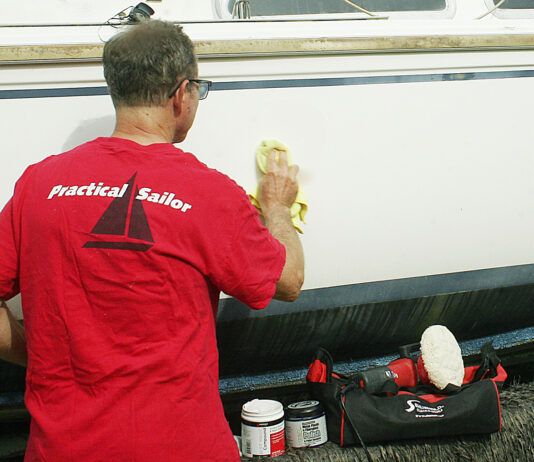
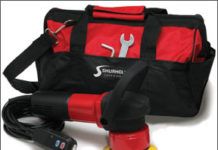
Practical Sailors endless testing of hull waxes and polishes gives us ample opportunity to try out electric buffers. Weve used countless brands and types over the years-from cheapos to professional grade-and decided to see how Shurhold Industries new Dual-Action Polisher compared.
K2r Works on Canvas, Carpet, and Teak
As all boatowners know, spills and stains are inevitable, particularly when you count children among your crew. Our heavily trafficked teak cabin soles and fabric-covered settees have seen their fair share of misfortune, so we keep our ears open for any recommended stain removers. A recent hunt for a product to clean stains from teak led us to K2r SpotLifter, which came highly recommended by Teak Decking Systems Jeff Scott.
PS Advisor: Do Alcohol and Antifouling Mix?
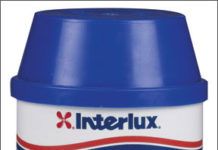
Today I went to paint the bottom of my boat with Interlux’s VC-17m, which I have used since it first came on the market. I had always cut/thinned the paint a bit with acetone. Today, the West Marine store manager (who is an experienced boater) told me that Interlux changed the VC-17m formula and that you should thin it with simple rubbing alcohol. When I used the paint with the alcohol, I noticed that it did not dry as quickly as it had with acetone and seemed thicker than usual after mixing the copper powder. Is it correct that you can now use isopropyl (rubbing) alcohol to "thin" VC-17m antifouling?
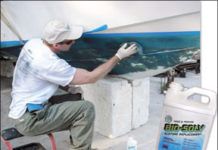
Bio-Solv Green Acetone
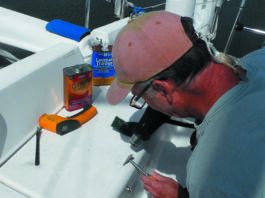
A bottom-paint job is unpleasant from start to finish, and wiping down the hull with acetone plays a role in that unpleasantness. So when a Cinnaminson, N.J., company sent us an acetone alternative called Bio-Solv, we were more than keen to test it. Bio-Solv is a non-toxic, non-flammable cleaner that works better and is safer than acetone, lacquer thinner, or Xylene, according to Anthony Severino of MAS Epoxies, which began selling Bio-Solv last year. The company buys it from a proprietary manufacturer.
The Search is on for the Best Degreaser for Marine Grit and Grime
Practical Sailor searched for the top liquid degreasers to tackle heavy grease on marine stoves and marine engines. Eleven products were tested, including Chomp oil eater, Holy Cow degreaser, Kafko degreaser, Krud Kutter degreaser, Mary Kate Grease Away, Star brite All Purpose Citrus Cleaner Degreaser, and Star brite Sea Safe Cleaner Degreaser. Practical Sailor tested the liquid marine cleaners on grimy fiberglass panels and on aged, greasy farm equipment engines.
Liquid Wax Test Reaches Six-month Mark
Practical Sailor applied dozens of liquid boat waxes to fiberglass test panels in 2009 to determine which was easiest to apply and was the best for long-term protection of a fiberglass boat. The panels were set out to suffer in the Florida weather for six months, when testers checked in on them to see which waxes still had a gloss and which could still bead water. Topping the marine wax test field in their respective categories were products from Star brite, Cajun Shine All, Collinite, 3M, Nu Finish, Yacht Brite, and West Marine Pure Oceans,. Testers’ top picks for a shiny hull that lasts and is protected from UV damage were the 3M Scotchgard Marine Liquid Wax and Star brite’s Premium Marine Polish.

Exposure Test Results: Varnishes, Teak Oils, and Other Exterior Wood Coatings
Exterior wood finishes-including one-part varnishes, two-part varnishes, synthetics, sealers and stains, and teak oils-were evaluated one year after application. Testers rated the wood finishes on ease of application, the integrity of the gloss and appearance, and how they fared over the 12-month period during which they were exposed to Florida sun and weather. Testers looked at color retention and gloss retention. After a year, 20 of the original 22 one-part varnishes were still performing well, and all six of the original two-part varnishes remained in the running. Varnish alternatives like teak oils and teak sealers struggled to make the 12-month cut, but the Cetol-coated panels still looked good. Products that were doing well 12 months after application included Interlux Cetol Marine and Cetol Marine Light, both with the clear gloss overcoat; Pettit Clear High Gloss and Pettit Wood Finish; Interlux Perfection; and Nautiking NautiThane.
Latest Logbook

Practical Sailor Logbook – September 2026
In September we tour the Hans Christian 48T — the offshore cruiser many sailors call the holy grail — walk the custom Antigua 60...

Video: The BEST Sailboat You Can Buy for $35,000 – Catalina...
If you’re searching for a mid-30-foot sailboat, affordable cruising sailboat, liveaboard sailboat, first sailboat, or a capable used sailboat for coastal cruising, the Catalina...



Latest Sailboat Reviews

Learning by Doing on a $5,000 Catalina 30 Mk II
When Davis’s mother started talking about wanting to do something “big” for retirement, Davis and Gloria half-jokingly threw out an idea that seemed suitably...