


What Are the Best Options in Hose Clamps and Barbs?
In “Stainless Steel Hose Clamps,” February 2016, we reviewed hose clamps by testing corrosion resistance and clamping security. Not a lot has changed; cheap...
Haul Out Tips to Avoid Confusion and Delays
Every fall, we sailors living in the colder, wintery parts of the world, must haul out our beloved boats and set them gently onto...

Refurbishing the Inflatable Dinghy
Inflatable tenders have become the family car for many cruisers. They haul groceries, take us to snorkeling spots, shuttle guests, haul out second anchors,...

The Best Gloves for the Boatyard
We choose our sailing gloves and deck shoes with great care, because they are our interface with the boat. The same goes for work...

Gelcoat Cleaning and Restoring Hack
How does the saying go again? “Necessity is the mother of invention,” or something along those lines? And so it was earlier this week...

A Brief Modern History of Fiberglass
Fiberglass, also known as glass-reinforced plastic (GRP), has been an integral material in modern engineering and design, especially within the marine industry. Its lightweight,...

Another Look at ‘Dustless’ Sanding
In “Dustless Sanding,” (see PS April 2016), we described a simple modification to a 5-gallon bucket that would make collecting dust from bottom painting...

How Much Does it Cost to Own a Sailboat in Quebec, Eastern Ontario, Upper...
You’ve been out a few times with friends on their sailboat and now, you’ve caught the sailing bug and, be well advised, there is...

Anode Basics: Dos and Don’ts
No matter what type of boat you have, if she’s kept in the water all season, maintaining your sacrificial anodes must be part of...

What’s The Best Bottom Paint?
We consider two years to be the practical limit for antifouling paints, and we like to haul our boats every two years for other...
Latest Logbook

Practical Sailor Logbook – September 2026
In September we tour the Hans Christian 48T — the offshore cruiser many sailors call the holy grail — walk the custom Antigua 60...

Video: Why Are Tartans So Expensive? Inside the Tartan 3700
If you’re researching Tartan Yachts, looking for the best traditional cruising sailboat, comparing premium used sailboats, shopping for a bluewater cruiser, or considering a...



Latest Sailboat Reviews
Morgan 38/382 Used Boat Review
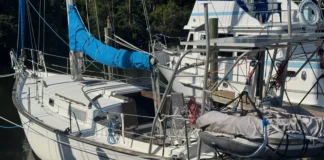
In 1977, the Morgan 382 was introduced, designed by Ted Brewer, Jack Corey and the Morgan Design Team. According to Brewer, the boat was loosely based on the Nelson/Marek-designed Morgan 36 IOR One Ton. The most obvious difference between the 38 and 382 was the elimination of the centerboard and the addition of a cruising fin keel (NACA 64 012 foil) with skeg-mounted rudder. They are two completely different designs from two different eras in yacht design.