


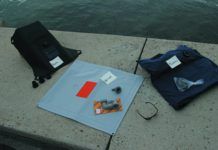
Flexible Tanks Require Special Protections
What about fuel bladders? Fuel bladders must meet a higher standard than water bladders, but many of the findings from our water bladder test apply to fuel as well (see Practical Sailor Drops, Drags, and Dissects Three Flexible Portable Water Tanks, PS October 2007).
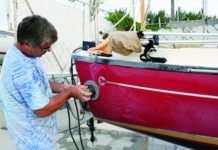
Reviving Gelcoat & More
One of the most common questions we get from new owners of old boats is how to bring back new gelcoat shine. Weve undertaken countless product tests to find the best boat wax and polishes, the most effective waxing-and-polishing tools, and the products that can be used for a speedy touchup. If waxing is on your to-do list, be sure to check out the following articles.
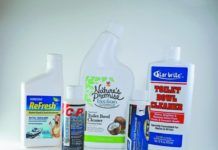
Clean Potty Overkill?
Its not sailing, but weve got to talk about it because its not fun when it goes wrong. The head. Weve reported on the best hoses, joker valves, toilet paper, and holding tank treatments. Recently readers have asked about cleaners that are safe, and sure enough, over the years weve run into evidence that improper cleaning can do real harm.
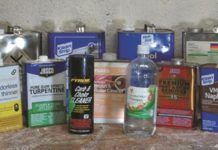
Four Solvents for Nearly Every Boat Job
As with cleaners (see One Bucket Cleaning Kit, May 2017) its easy to be over-specific with solvents. Pretty soon, we end up with a zillion cans in the paint locker. While we would probably pay extra for the magic vendor-specific blend for a topside paint job, wed not be so selective for every single small varnish, fiberglass, or similar job that comes up. For these everyday jobs, a few generics can do the trick.
Making Sense of Solvents
Practical Sailor wades into the world of thinners and clean-up chemicals.

Can Diesel Damage Fuel Lines?
Given the tiny amount of fuel it takes to clear the jetty and hoist sail, our 50-gallon fuel supply can last, quite literally, for years. It certainly lasts through the winter, and all the while, we worry that sludge is growing.
Online Help for Autumn
Its getting to be that time of year, when many skippers haul out or head south. Fall also heralds the beginning of boat show season. Here are some PS articles from the online archives that will help you weather the changing of the seasons.
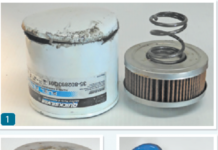
Cannister Dissection Yields Surprises but Few Defects
Different filter manufacturers can chose different rating systems that rely on different statistical values for filtration. The higher the percentage at a given rating, the more effective. Interestingly, the effective rating changes over time, as particles clog up the media, making the holes smaller.

Chafe Protection for Fiber Rodes
Our plunge into chain-free rode takes a new twist. How do we protect against bottom chafe?

Measure, Cut, Glue and Repeat
Generally, a deep locker will have a recessed lid. Some modification may be needed to fit locker bags.

Bahamas for $5000? The Watkins 27 foot Sailboat
Is the Watkins 27 the ultimate small cruising sailboat? In this video, we take a deep dive into the Watkins 27 — a classic...



Latest Sailboat Review

Tartan 30: An Affordable Classic
The early 1970s was the heyday of the Tartan 30' racer/cruiser. In all, no less than two dozen boats of a similar size and type were introduced in just three years, many of them to become highly successful among sailors eager for the performance and amenities of big boats at a modest price. Among the most noteworthy and enduring of the 30-footers from this era has been the Tartan 30.