

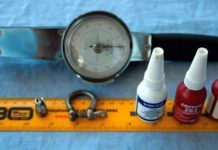
Adhesives Test
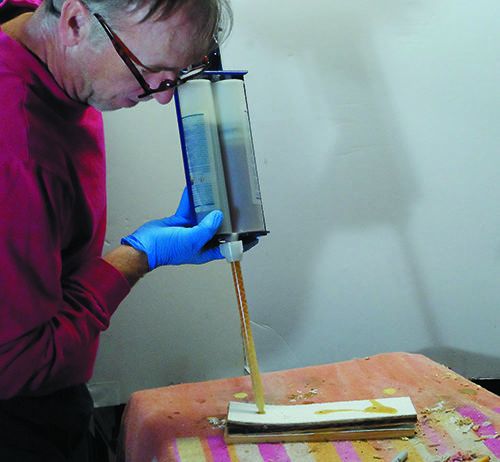
Once upon a time in Tasmania, a skipper faced a daunting task: install a three-bladed, folding propeller without hauling out the boat. The underwater job would require an adhesive to secure some of the bolts, but which adhesives that were already on board would work best under water? To find out, PS contributor Jonathan Neeves decided to run a little adhesives test of the three products he had on hand-all commonly found at chandlers worldwide under the same or a similar brand.
Getting a Grip on Velcro
We think of all stick-and-rip, hook-and-loop fasteners as Velcro-just as we ask for Kleenex after a sneeze-and most tend to have uniformly low performance expectations of these velcro products, assuming that they will have limited holding power from the beginning. These assumptions are not totally unwarranted. Velcro will inevitably be the first component of a canvas project to fail, with ultraviolet rays degrading the fine threads and holding strength dropping to zero within two to four years. When used to mount even the lightest equipment, the velcro fasteners vibrate loose without warning. The Velcros adhesive can slowly ooze off in heat, buckle in humidity, or simply turn to dust. So do any of them actually work? PS testers decided to find out.

Applying Dielectric Grease
Im confused about how to apply dielectric silicone compound or LPS-3 (spray) to electrical connections. These are dielectric substances (i.e., insulators), which would suggest that if you apply either one to the electrical terminals and then assemble the connection, you would increase the resistance, defeating your intentions. So should you just spray or spread it over a terminal block and consider it protected? Or does the compound get squeezed out sufficiently so that a good electrical connection is made?
Mailport: April 2016
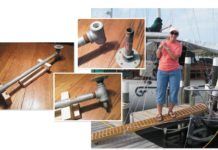
The hatch cover project you reported on in the March 2016 review of the Outland Hatch Covers offered a right nifty approach to making your own covers. Could we see more details on the cover backside and buttons? Also, how did you keep the holesaw from dancing around without the center bit to pilot off of?

Where Credit is Due
Id like to offer kudos to Becky in the customer service department at Gill North America (www.gillna.com). I sent Gill a note that my Gill foul-weather gear (see PS, February and March 2015 online) was no longer shedding water the way that it should. Customer service instructed me to send in my gear, and after testing it, they sent a replacement; no further questions asked. This is a great company, and now, Ill be a Gill customer for life!
Bottom Paint Checkup 2016
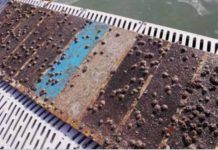
A fairly significant change has taken place in the world of antifouling paint for recreational boaters in the United States. Last year, multi-national chemical company BASF decided it would not renew its U.S. license for the pesticide Irgarol. A common additive to copper-based paints, Irgarol helps prevent the growth of algae and other soft growth. Our tests have shown that although Irgarol doesn't lengthen the duration of antifouling protection, it can noticeably help prevent slime growth during the first few months after immersion. As a result of BASFs decision, most manufacturers have a limited supply of Irgarol paints and have been phasing out products that contain it. Paints containing Irgarol are still on store shelves, but these inventories are expected to run out as early as this spring.
Respect for the Mighty Barnacle
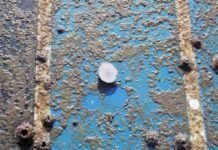
While gathering data for this months bottom paint report I took comfort in the notion that Im not the first to have barnacles on the brain. For seven years, Charles Darwin immersed himself in the study of barnacles, and with each passing year, he seemed to become more and more confounded. Darwins consternation-and later, an almost maniacal obsession with the barnacle-is well documented in Rebecca Stotts compelling book Darwin and the Barnacle.

Long-term Test Gear Updates
Many of Practical Sailors tests move from the lab (workshop/garage/driveway) to our fleet of test boats, where we can evaluate the top products in real-world conditions over the long haul. These long-term tests can last from two to 10 years, and we try to offer occasional updates on their status, when its warranted.
DIY Fiberglass Hatch Covers
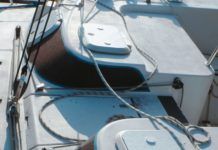
To protect the fixed and soft-vinyl windows aboard our PDQ 32 test boat, we have a combination of snap-on canvas covers and awnings, along with the two Outland Hatch Covers were testing. After the success we had using the Outland Hatch Covers PVC covers, we wanted to install more of them, but the cruising kitty could not bear the cost, so we sought a do-it-yourself solution.
Too Much of a Good Thing?
I read the September 2015 article about algae control and thought the Clorox Pool and Spa Algae Eliminator would be just the thing to clean an old North Norlam sail (Mylar/polyester laminate) that came with my boat and is very discolored with mold. I used a two-gallon pump sprayer and soaked both sides of the sail with the articles suggested 2-percent solution. I noted that the bottle did not make as much solution as I expected; I determined that the posted dilution was incorrect. It should actually have been 0.2 percent, which PS later confirmed.

O’Day 40 – A Budget Cruiser for the Bahamas
The O’Day 40 (1986) is one of those cruising sailboats that somehow slipped through the cracks of sailing history. Built during the final years...


Latest Sailboat Review
Island Packet Estero Used Boat Review
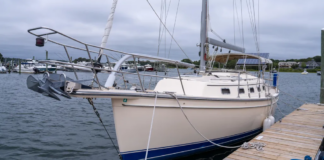
Florida-based Island Packet targets a relatively narrow niche, so the toughest competitors to its new boats are often older Island Packets. Introduced in 2010, the 36-foot, shoal-draft Estero is the company’s latest attempt to introduce a distinctive model that doesn’t stray too far from the company’s proven formula for success: moderate displacement, full-keel cruisers designed to be lived on, sailed far and in comfort, and endure the bumps, scrapes, and storms that cruising boats inevitably encounter. After sailing the Estero on Florida’s Sarasota Bay and inspecting its interior, construction, and systems, Practical Sailor testers noted that the shoal-water cruiser will appeal strongest to Island Packet fans who’ve been waiting for a shoal-draft, easy-to-sail boat that compares to the IP37 in terms of interior space. These strengths will be most apparent on intracoastal or riverine adventures like the Great Loop.