


Dyneema Abrasion Test
As outlined in our previous report on lifelines, high modulus polyethylene (HMPE) fiber rope has revolutionized sailboat rigging during the past decade (see Fiber lifeline Protection Plan, PS September 2015 online), however sailors arent the only ones benefitting from the introduction of this super-strong, low-stretch cordage. Virtually any application that once employed a stranded wire-rope-ranging from tow cables to hoists-is now also served by HMPE. The widespread availability of generic brands of this super-strong, low-stretch cordage made us curious. How do these non-marine brand products compare to known marine brands? And what types are best suited for the various sailboat applications?
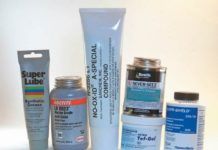
Anti-Seize Coatings for Spars
If youve ever been humbled by a single impossibly stuck fastener, or plan on adding hardware to your spar, running gear, or deck, this report on anti-seize protectants is right up your alley.
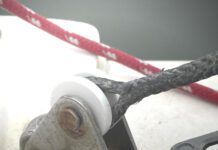
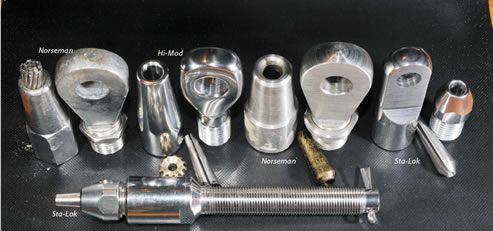
Wheel Thimbles for Synthetic Line Terminals
This is not a completely new concept. Spool thimbles have long been used on multi-pulley block beckets to increase the pin diameter to better...
Pre-Purchase or Insurance Survey: Which One Do I Need?
You’ve been bitten by the sailing bug and every spare minute is spent searching online for that perfect vessel. You’ve narrowed it down to...
Do Twin Sheets Control the Mainsail Better?
The main traveler is one of those love-hate pieces of gear on a boat. We love that it separates control of twist and angle...
Shock Cord Hardware for Sailors
Every rope we have on board has its quirks when you’re trying to form a knot that won’t slip or come untied.
Dyneema is a...
Haul Out Tips to Avoid Confusion and Delays
Every fall, we sailors living in the colder, wintery parts of the world, must haul out our beloved boats and set them gently onto...
Checking Rope Strength
We like nylon for docklines, anchor rode and chain snubbers because it stretches, absorbing jolts that would otherwise be transferred to the boat and...
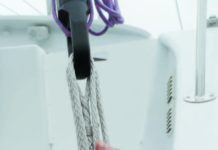
Lashing for Strength
Standing rigging, stays, and lifelines; these have always been steel cable, terminated with a shackle or ball at one end and a turnbuckle at the other. Steel fittings for steel rigging. For synthetic rigging, lashings seem like the logical replacement. They have a simple ruggedness that we think we understand, and like seems to fit with like.
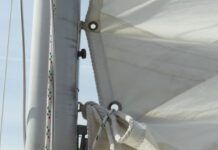
Are Wrinkles Killing Your Sail Shape?
Polyester sails stretch. Sailmakers add resin to the cloth in order to stabilize the fibers. Sailmakers then cut the sail to arrange the load...
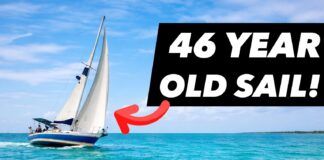
How Long Do Sails Last?
How long do sails actually last? Sailmakers often say cruising sails last around 10–15 years, but what happens when you discover a sail that’s...



Latest Sailboat Review

Jeanneau 55 Boat Review
This recent sailboat from Jeanneau may as well be a spaceship. They’ve taken all the time-honored designs of a monohull aft cockpit and turned...