

Outboard Steering Tricks
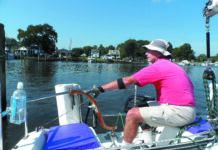
Outboard powered boats can be slow to respond when maneuvering around the docks at low speed. With no prop wash over the rudder, it...
DIY Winch Feeder
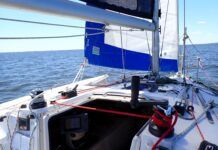
It was snowing and I needed a project. Ever since the article on cross sheeting, “Where Winches Dare Go,” I’ve been wanting to add...
Yawing and Anchor Holding
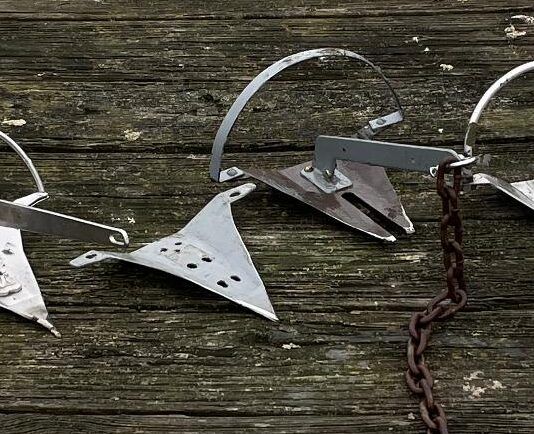
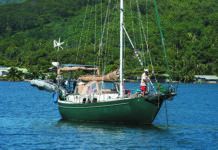
I can’t leave a boat that’s yawing. I can’t sleep. Each time I’ve had an anchor fail suddenly it was caused by excessive yawing....
Line Stowage Bags and Hooks
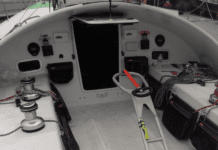
Sailboat cockpits will happily collect spaghetti if we let them, each sheet, halyard, and new control line adding to the confusion. The chaos is...
Ultra Fairleads and Soft Padeyes
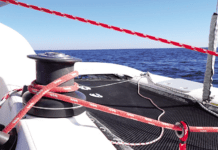
If a line does not approach a cam cleat close to level, the line may slip out or be hard to cleat or release....

Stickier Sail Tape with 3M Primer
Self-adhesive hardware-store hooks don’t stick well to bare fiberglass. Just last week we had one wash into the bilge-pump strainer on our test boat....
Dyneema Burn-Through By a Sheet
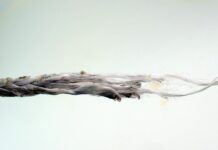
In the early 2000s, Dyneema was a breakthrough lifeline material. It is as strong as steel and much lighter, inexpensive, simple to install (at...

A Guide to Buying Your First Sailboat
So, you’re in the market for your first boat. Having just purchased my own vessel, the thrill and anxiety of the process are both...
Anchor Snubber Shock Load Test
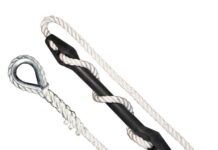
In the past, a snubber was simply a device incorporated into the anchor rode to take the load off the windlass. We recently tested different types of snubber material, including nylon octoplait, rock-climbing rope, and rubber. Our tests were conducted as part of a long-term project on anchor-snubber selection, deployment, and care. Although there are some pre-fabricated snubbers on the market, most cruisers make their own, so this initial comparison was more generic in scope, focusing on common materials and designs.
Stitching Instead of Splicing
Splicing is king in any discussion of line termination. By carefully tucking cover and core back into the line, or weaving strands in laid line, and using patterns that have been perfected over time, we can create virtually full-strength terminations that will last the life of the line without maintenance.
Latest Logbook

Practical Sailor Logbook – September 2026
In September we tour the Hans Christian 48T — the offshore cruiser many sailors call the holy grail — walk the custom Antigua 60...

Video: The BEST Sailboat You Can Buy for $35,000 – Catalina...
If you’re searching for a mid-30-foot sailboat, affordable cruising sailboat, liveaboard sailboat, first sailboat, or a capable used sailboat for coastal cruising, the Catalina...


Latest Sailboat Reviews
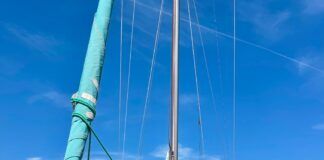
Learning by Doing on a $5,000 Catalina 30 Mk II
When Davis’s mother started talking about wanting to do something “big” for retirement, Davis and Gloria half-jokingly threw out an idea that seemed suitably...