

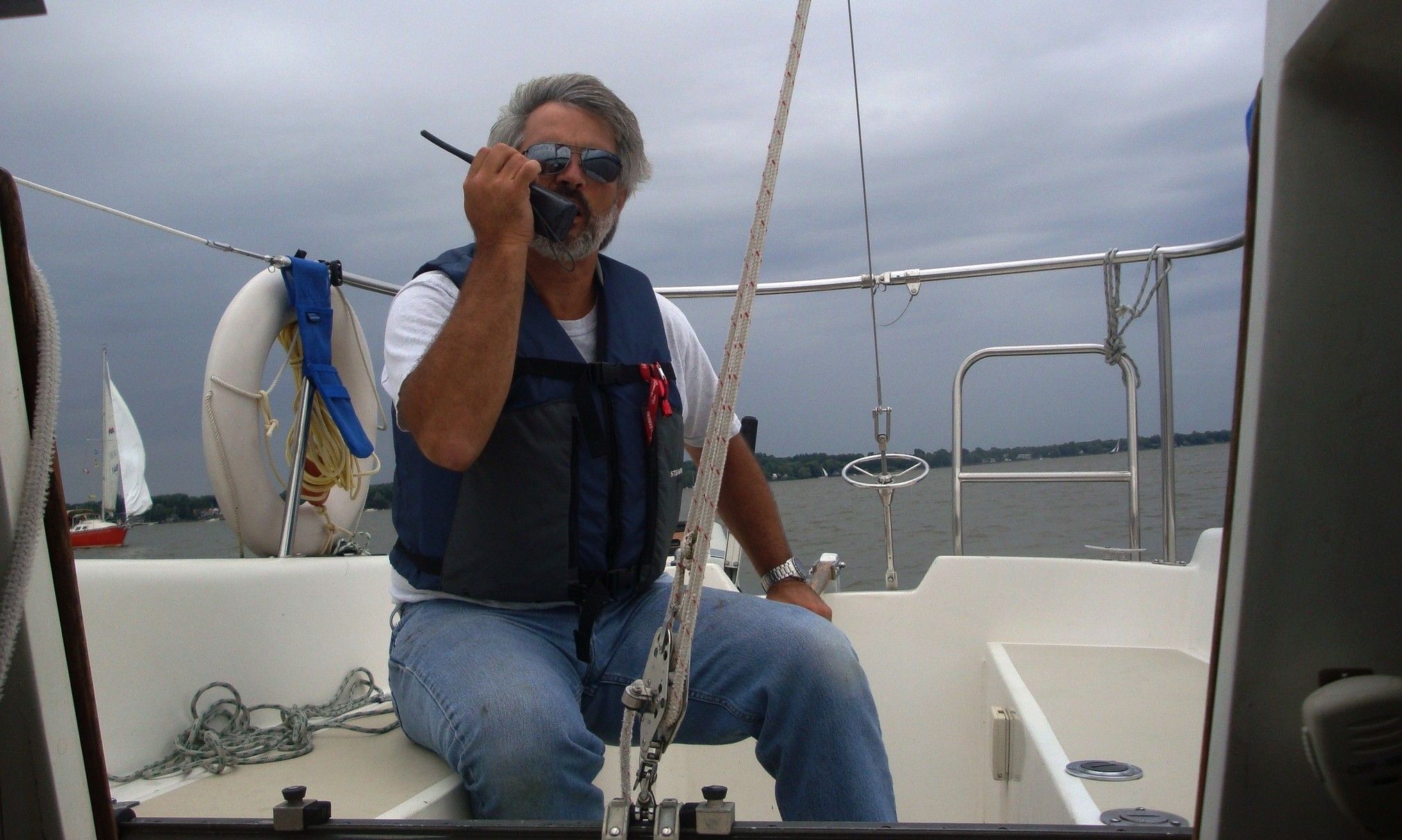
One of the most important rules while out on the water is to always lend a hand if possible—without risking your own crew and boat, of course. It is a kind of Good Samaritan rule. Over the last 40 years, I’ve lent a hand countless times. From a serious situation, where a power boat hit rocks in the dark of night and began sinking with six people on board, to simply towing boats to safe harbor after running out of gas or having engine trouble, to pulling a few boats off rocks, etc.
To continue reading this article or issue you must be a paid member. Sign in
Join Practical Sailor
Get full access to Practical-Sailor.com – more than 4,000 articles – for just $34.
Join today and save 42% off our full price.









Readers: please note that *16 is for Canada.
In the US, unfortunately, you must dial the Command Center Phone: 833-662-8724 (833-MOB-USCG). I guess you need to save it on your phone and/or post it somewhere on the boat.
For other countries, check with your coast guard services for any direct cell number.
Apologies for not adding this information in the article.
A small correction: 833-662-8724 (833-MOB-USCG) appears to be the number for the U.S. Coast Guard Sector Mobile Command Center in Mobile, Alabama, rather than a nationwide Coast Guard emergency number.
In France, the nation-wide phone number for reaching MRCCs is 196.
In summer, channel 16 is often so crowded with emergency or distress calls that the MRCC VHF operator sometimes requests people in trouble (not distress) to switch over to a phone call and dial 196.
Merci Alain pour cette bonne information! Tous les pays et regions mondiale ont leurs propre information contact!
In Italian waters you have to dial 1530, and you’ll be automatically connected to the “Capitaneria di Porto” (Harbour master / Coast guard Office) responsible for the geographical area you are calling from. Good luck with the lingo ….. even if things are slowly improving in comparison to 1990 when I made my compulsory military service there.
Thank you very much Franscesco for sharing that important information.
Phone number, sorry forgot to mention