
Hurricane Center Changes Every Skipper Should Know

From extended overland storm tracks to Hawaii storm surge alerts, the NHC's latest updates give sailors more lead time and fewer surprises.

0
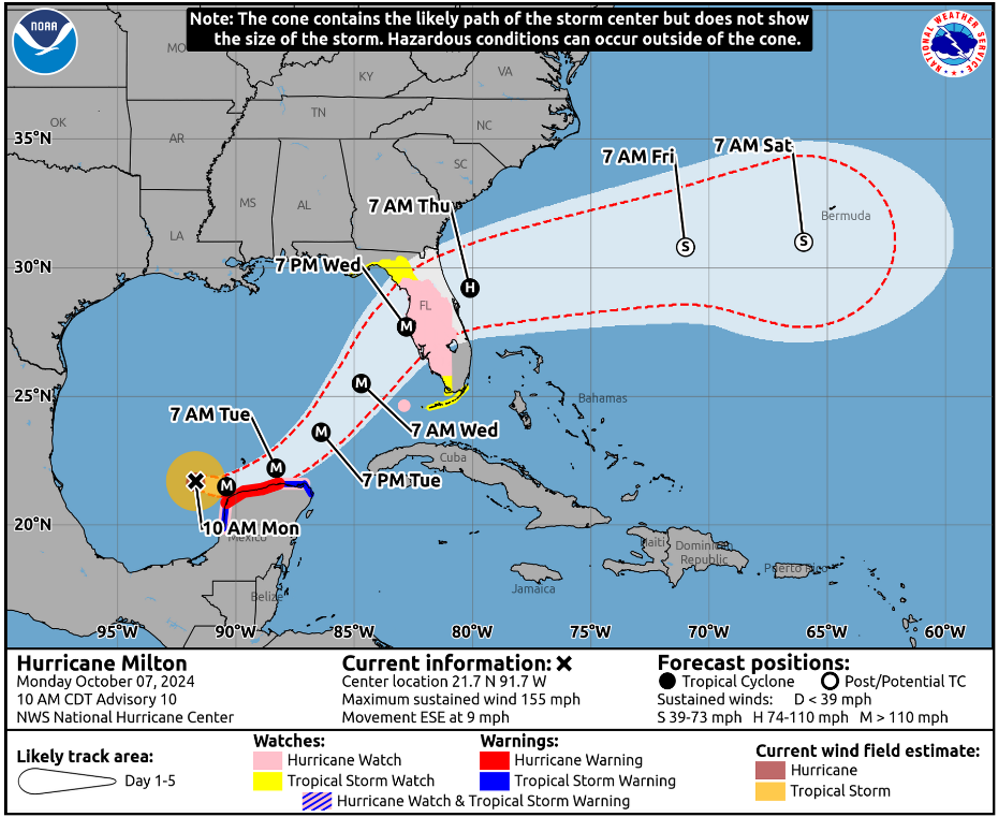
The NHC's updated track cone shows a narrower probability area as forecast accuracy improves, but sailors should remember it marks the eye's probable path only—dangerous conditions extend well beyond the cone's edges.(Image/ NOAA)

With all the talk about a record El Niño coming this summer and climate change generally leading to more severe storms, we all need to read up on weather monitoring—tropical storms don’t stay in the tropics. The remnants curve up the eastern seaboard of the U.S. and follow the gulf stream across the Atlantic. The west coast ones can impact all the way up to the Pacific Northwest, bringing strong winds and heavy rain to Oregon, Washington and British Columbia. I once got stuck in Cork Harbour, Ireland for a week while the remnants of a hurricane ripped through with severe gales and 30-foot seas.

To continue reading this article or issue you must be a paid member.

Join Practical Sailor

Get full access to Practical-Sailor.com – more than 4,000 articles – for just $34.
Join today and save 42% off our full price.
Already a member?
| Forgot your password? | Activate Web Access
Roland Stockham got his start sailing Olympic-class 470s and Finns in his native England. He started his journey as a voyager crewing for yacht owners sailing to Europe because he was handy at diesel repair. His first cruising boat was a 26-ft. Folkboat with no engine. He lives in British Columbia and sails a 35-ft. Colin Archer design. He is a Royal Yachting Association certified Yacht Master and is qualified to make trans-oceanic deliveries.