
DIY Outboard Shift-Lever Extension

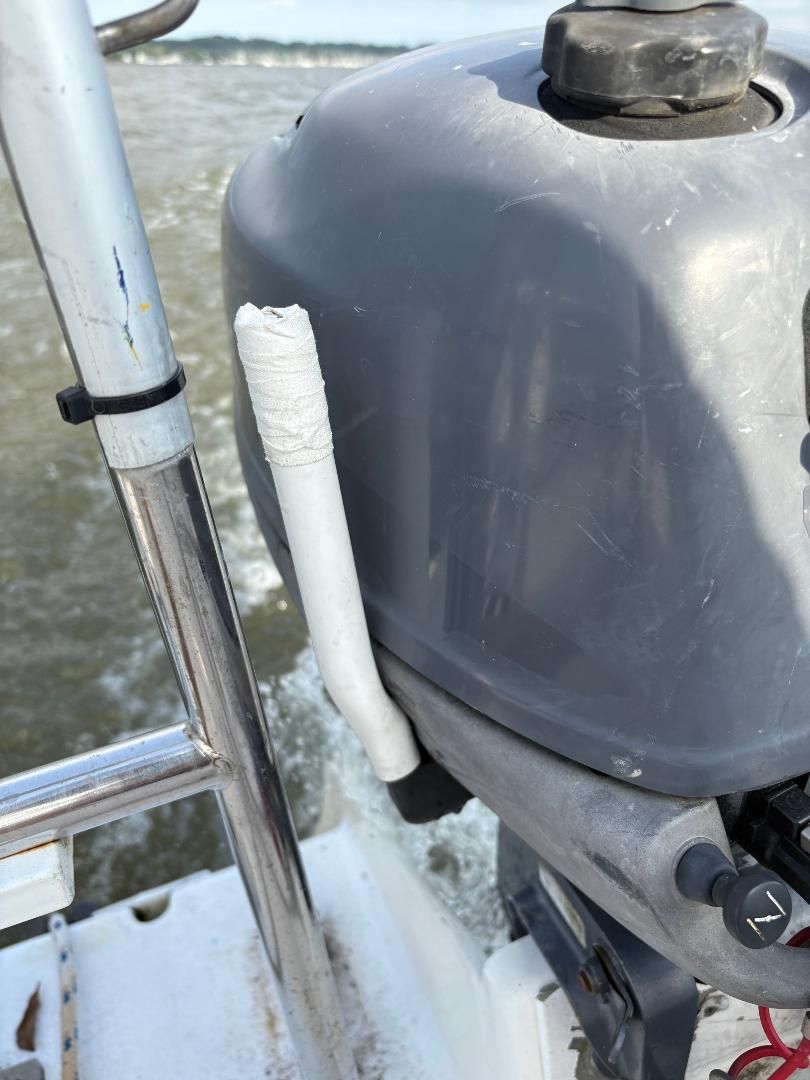
A short length of heat-formed PVC puts an awkwardly placed outboard shift lever within easy reach for smoother, safer docking.

0
(Photo/ Drew Frye)

The gear shift on smaller outboards is typically a stubby little 3-inch lever tucked away on the starboard side. On a tender or skiff, it’s easy enough to reach around and shift. You helm the boat from starboard and it’s right in front of you. But on many trailer sailers, you helm from port because the reach across the cockpit is too great from starboard. You must reach through, around, or over the stern rail. The outboard may also be considerably below your seating position. All of this may not be too bad when backing out of the slip, but when returning, shifting into reverse at just the right moment, and then back into neutral, it can be a challenge.

To continue reading this article or issue you must be a paid member.

Join Practical Sailor

Get full access to Practical-Sailor.com – more than 4,000 articles – for just $34.
Join today and save 42% off our full price.
Already a member?
| Forgot your password? | Activate Web Access
Drew Frye
Drew Frye, Practical Sailor’s technical editor, has used his background in chemistry and engineering to help guide Practical Sailor toward some of the most important topics covered during the past 10 years. His in-depth reporting on everything from anchors to safety tethers to fuel additives have netted multiple awards from Boating Writers International. With more than three decades of experience as a refinery engineer and a sailor, he has a knack for discovering money-saving “home-brew” products or “hacks” that make boating affordable for almost anyone. He has conducted dozens of tests for Practical Sailor and published over 200 articles on sailing equipment. His rigorous testing has prompted the improvement and introduction of several marine products that might not exist without his input. His book “Rigging Modern Anchors” has won wide praise for introducing the use of modern materials and novel techniques to solve an array of anchoring challenges.