
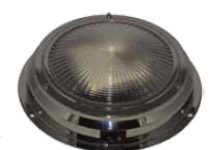
Imtra, Hella Dome Lights Shine
In our previous cabin light reviews (PS, May 2010 and January 2009), the transition from incandescent lighting to fluorescent and finally to LED was favorably noted. Since then, the evolution has turned into a solid-state revolution, and LEDs bolstered by dimmers, touch switches, and watertight seals now own the show. And a clean-sweep conversion to LED cabin lighting can knock out the grotto-like ambiance that haunts many sailboat interiors. Often, its not a problem of having too few lights; its an energy shortfall revolving around too few amperes to spare. An LED makeover is also an opportunity to illuminate the lockers, engine room, and other cave-like confines that cause you to reach for a flashlight and wish for an extra hand to hold it. Not only is the timing right to tap into a new genre of energy-efficient lights, but the product range and pricing offer a gameplan for every budget.
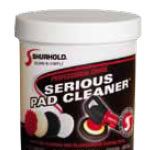
Shurhold Buffing Pad Cleaner
During our April 2014 performance test of rubbing compounds, we sullied a dozen brand-new wool buffing pads, all of which were Shurhold brand. Since quality buffing pads are reusable (and not cheap), we thought the rubbing compound test was a great opportunity to also check out Shurholds new, professional-grade Serious Pad Cleaner (No. 30803). Mixed with water, this powdered concentrate is formulated to dissolve compounds and waxes from wool, polyester, cotton, microfiber, and foam buffing pads or cloths.
Real-World Anchoring
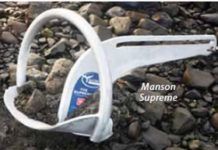
After nearly four decades of being married to my CQR plow anchor, I decided to try a new anchoring solution aboard my Ericson 41, Wind Shadow, and mounted a Manson Supreme on her bow roller. Ill be long-term testing the Manson, but heres a preliminary look at the CQR and the Manson.
Aggressive Hull Cleaning Stirs Up Copper Debate
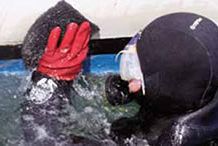
Early this month, irate boat owners from Marina del Rey, Calif., packed the regional water-quality board meeting, protesting a rule that would require them to switch to a copper-free antifouling paint by the year 2024. The board unanimously voted in favor of the rule, moving it another step forward in the legislative process-a bureaucratic cricket match that will drag on for several years.
Anchor Rode Report
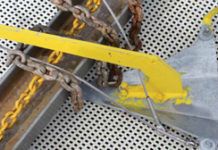
In our continuous research of ground tackle, we noticed that large oil rigs are often anchored into place with a spider web of stranded wire-or in some cases, Dyneema, a low-stretch, high-strength synthetic fiber. We wondered whether Dyneema or a wire cable might have some application in recreational sailboat anchoring, and we launched field tests to find out. These tests also looked at how changing the diameter of your anchor chain affects anchor performance.
Rodes Tested from Shore and Catamaran
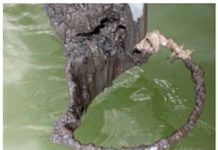
Our test anchors included a small, 11-pound Spade anchor, which we set using a chain winch off a beach in Pittwater, Australia. We set the anchors using two different rodes: 30 feet of 5/32-inch stainless wire strop that we fabricated using old lifelines and 33 feet of quarter-inch, short-link BBB chain. We extended each rode with 5/16-inch chain and aimed for length-to-depth ratio of a 5-to-1.
Mantus Upgrades to a Stronger Shank
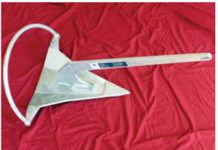
Late last year, we had our first look at the bolt-together Mantus anchor. Although we liked the design, and prices were favorable (around $330 for a 35-pounder), we raised concerns about the shank strength, which by our estimation was the weakest of all anchors of a similar design.
Brewing Coffee in the Galley
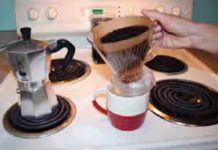
We compared four popular, portable coffee-making methods in search of the best java-brewing method for the galley. The test evaluated French presses, percolators, drip-cone coffeemakers, and various instant coffees. Testers tried out a handful of products using each method, including the BonJour, Nissan Thermos, and Bodum French presses, as well as the Aerobie AeroPress, the Melitta Perfect Brew, the Clever Dripper, Bialetti Moka Express, and the Farberware Yosemite and Medelco stovetop percolators.
Diesel Tank Vent Filters
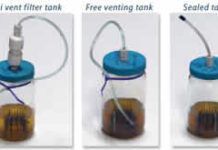
Through lab tests and years of field testing, weve found that silica-gel vent filters reduce tank corrosion and improve gasoline stability. But is the same true for diesel fuel and tanks? Thats what this test sought to find out. Testers put two silica-gel diesel tank vent filters through their paces: Pindell Engineerings AVD2 (for tanks up to 60 gallons) and AVD3 (for tanks up to 200 gallons). The results were compared to setups with a free vent and those with a sealed tank.
Installation Best Practices for Fuel Systems
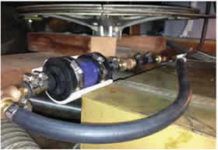
The Coast Guard and the American Boat and Yacht Council (ABYC) have worked together to develop general installation guidelines for the carbon canisters required under the EPA's evaporative emission regulations. While the standards (AYBC H-24) don't specifically apply to the H2Out AVD unit when installed in diesel fuel systems, they represent good basic commonsense and should be followed with any fuel tank vent adsorbent product. We have added a few tips and precautions learned during our testing.
Latest Logbook

Practical Sailor Logbook – October 2026
This month leans into used-boat value and hands-on maintenance: Tim Labute tours the traditional, shoal-draft Bayfield 32, Nick Nicholson revisits the much-requested Morgan 38/382,...

Video: Why Are New Boats So Expensive?
Why does a new 35-foot sailboat cost over $300,000 when you could buy a similar-sized boat for $45,000 forty years ago? In this episode,...



Latest Sailboat Reviews

Sceptre 36: Used Boat Review
The line of Sceptre yachts originated from the drawing board of Hein Driehuyzen, a Canadian naval architect who also designed the Crown 34, the...