




Shaken and Stirred – Toilet Paper Test
This toilet paper evaluation aimed to find out three things: how quickly the different TPs dissolved in water, how strong they were, and how soft they felt. Each brand was given a number (1 through 10) for blind judging. Four sheets from each roll were crumpled and placed in a clear plastic canister with two quarts of lukewarm water and were stirred for five seconds, or five swirls, with a plastic straw.
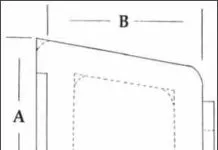
Design For: A Mug Rack
The modest mug, basic in shape and function, finds its way aboard all but the most elegant or the most rudimentary of vessels, because it is so useful. Equally at ease with soup or stew, coffee, tea, or chocolate, bread sticks, spoons, or even flowers, it serves faithfully in rough water and smooth. While almost universally carried aboard boats, the stowage of mugs varies as much as their uses. On some boats they rattle about in the galley sink, while in others they may be neatly nested in a drawer, hung from hooks, or (best of all) resting in proper racks.
Improve Your Catalina 30: Upgrading the World’s Most Popular 30-Footer
The Catalina 30 is a remarkable success story. We suspect that more Catalina 30s have been built than any other boat of that size anywhere in the world. While the basic boat has remained unchanged since it was introduced in 1975, there have been dozens, perhaps even hundreds, of minor developments in the boat in the course of a production run that is approaching 4,000 hulls. The advantage of a boat in production for so long is a high degree of product refinement over the years. The challenge for the owner of an early version of the boat is to upgrade his boat to the standards of models currently in production.

Portable LED Rail Lights
Practical Sailor tested the solar-powered RailLight Mini made by Simply Brilliant and the battery-powered Navilight 360 made by Navisafe. Both lights use multiple LEDs for illumination, but they serve different niche needs, in our opinion. The Navilight is a bright, versatile light that's also a Coast Guard-certified MOB marker, and the RailLight boasts an automatic power-on feature that's useful when at anchor. Testers examined the lights’ construction quality, brightness, and durability.
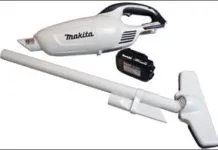
Practical Sailor Tests DC-powered Handheld Vacuums
Crumbs. Sand. Sawdust. Dried mud. Dock dirt. There are always plenty of particulates to clean up on a boat. And while there’s nothing wrong with a dustpan and brush to get the job done—it’s a cheap, time-honored, low-tech solution—a lot of us rely on DC-powered hand vacuums, too. They’re fast and easy to use, can suck dirt out of corners a brush won’t reach, and tend to be better than a dustpan at keeping the…

How Do We Plumb Thee? Let Us Count the Ways
Elizabeth Barrett Browning would have a fine time counting the variety of ways to treat waste aboard a sailboat. Let us count the ways. Apart from the “standard” electric toilets that we tested here (either raw-water or freshwater plumbed), there are portable toilets, composting toilets like the Air Head, hold-and-treat systems like Raritan’s Lectra San, and vacuum-based systems like Sea-Land’s VacuFlush. In addition, there are multiple ways to plumb a holding tank into the system.
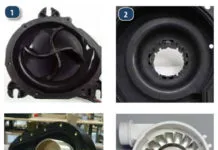
Pump Details: The Modern Macerator
Most of the macerators that PS looked at for this test used a variation of the centrifugal pump/macerator design introduced by Tecma in the 1990s.
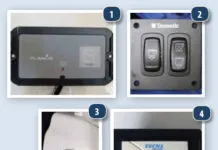
Modern Flush Switches Also Feature Tank-full Indicator
All of these units came with what we call “smart” switches, which control the flow and timing of various filling and flushing functions. Most allowed for about a half-gallon of water for a full flush and a 5-second delay between rinse and flush. On some units, the user could adjust the timing and volume of water required for flushing.
Controlling The Flow of Water
Subtle difference in which valves and pipes are used to fill and flush the bowl can add up to less odor, reduced water use, and less energy use over the long run.
PS Advisor: Downhill Galley Cooking
In the October 2010 boat review of the Catalina 375, there was a statement regarding the location of a galley: "While some argue that the traditional port-side galley is more desirable when crossing oceans, the point is moot for a family coastal cruiser." Is this just a whimsical nautical tradition, or is there some logic underlying it? Why is the port preferable? I would agree that [a port galley would be favored] if most of our sailing is on a starboard tack, but the number of port and starboard tacks should be about the same.
Latest Logbook

Practical Sailor Logbook – September 2026
This month we tour the Hans Christian 48T — the offshore cruiser many sailors call the holy grail — walk the custom Antigua 60...

Video: Morgan 44 Review – The Catalina Cruiser Everyone Forgot
The 1989 Morgan 44 is a big center-cockpit cruising sailboat with Catalina DNA—but it may be one of the most overlooked boats of its...



Latest Sailboat Reviews
Bayfield 32 Used Boat Review
At first glance, the Bayfield 32 looks less like a fiberglass production boat from the 1980s and more like somebody shrank a traditional sailing...