


Shore-Power Boat Fire Protection
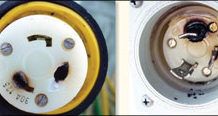
With the increased demand to have all the electrically powered comforts of home onboard, it should come as no surprise to boaters that the majority of AC-related electrical fires involve overheated shore-power plugs and receptacles. Prime Technology, aims to change all that with the introduction of its Shore Power Inlet Protector (ShIP for short), a monitoring and alarm device that automatically disconnects AC shore power when excessive heat is detected at the power inlet connector. We reviewed the ShIP 110 designed for use with a 110-volt, 30-amp system. The company also offers a similar unit (the ShIP 220) for use with 220-volt, 50-amp service. Charred plugs and receptacles are the result of resistance build-up (due to loose or corroded connections), which generates heat and the potential for fire, a problem especially prevalent among vessels that continually run high energy loads such as water heaters and air-conditioning units. In addition to monitoring the temperature of your vessels shore-power inlet plug and its wiring, the ShIP system automatically disconnects AC shore power when an unsafe temperature is detected, providing visual and audible alarms. (The audible alarm shuts down after five minutes to avoid prolonged disturbance to surrounding boats.)

Galley Solutions: Nesting Cookware Sets Under $250
A good set of nesting cookware means galley chefs can have all the tools they need for gourmet cooking, without sacrificing storage space. For this comparison of nesting cookware with removable handles, Practical Sailor took a look at cookware sets designed for galley use Cuisinart, Galleyware, and Magma Products, and one nesting set designed for trail cooking by camping-gear maker GSI Outdoors. Evaluation ratings were based on what the set includes, construction materials, handle construction, function, ergonomics, storage space required, whether the pans rattle underway, performance, ease of cleaning, price, and warranty.

Marine Refrigeration: Traditional Thermostats vs. Digital Thermostats
Modern galley refrigeration moved far beyond simple holding-plate refrigeration systems, and now competes with the more easily installed evaporative refrigeration systems. One key to efficiency in any refrigeration system is an accurate thermostat. Practical Sailor compares a more expensive digital thermostat to a traditional, less expensive mechanical capillary thermostat. Refrigerator and freezer tests pitted the Grunert Marine Air Systems mechanical capillary refrigeration thermostats against the Scad Technologies SensiStat digital thermostat. Mechanical thermostats are valued for their simplicity and reliability, but a digital thermostat may outperform mechanical thermostats when it comes to maximizing marine refrigeration performance.
Next Best Thing
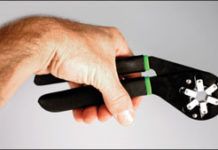
While world leaders and presumed financial wizards set to work trying to right the global economy with some very expensive bailers and sponges, Practical Sailor has taken the time this month to dig through our recent collection of Chandlery submissions to see if we can find anything more useful. Given sailors capacities for innovation (aka "jury rigging"), were holding out hope that the next great invention-the ultimate stimulus package-lies somewhere in our growing stockpile of Chandlery items.
New One-Burner Alcohol Stoves Meet Their Market
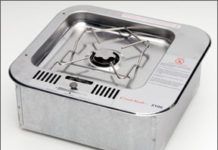
Cookmates two new small alcohol stoves are a good fit for daysailers and boats with limited galley space. Unlike propane stoves, these non-pressurized alcohol systems require no valves, hoses, fuel tanks, or fuel lockers. The alcohol is easily poured into a stainless steel drum. Opening the burner allows for easy lighting of the stove. Methane, ethanol, and denatured alcohol can be used as a fuel source. The Cookmate 2100 drop-in model is made of stainless steel and puts out 7000 BTUs. It is well made and easy to use, but because it cannot be gimbaled, its use may be limited in rough seas. The CookMate 1600, designed as a portable countertop model, is also small and well made, and it can be gimbaled. It is made of stainless steel and puts out 7000 BTUs. Both Cookmate alcohol stoves beat the Origo alcohol stoves Practical Sailor tested in July 2006, and they gave the Force 10 Seacook seaswing style propane stove and Kenyon Appliances Kenyon Express II butane stove a run for their money.
Practical Sailor LED Lightbulb Test
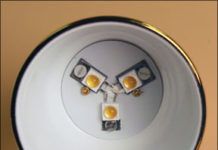
In this LED cabin light test, Practical Sailor looks at 17 light bulbs from seven manufacturers. The LEDs were tested to see which was the most worthy replacement for a 20-watt xenon bulb in a bulkhead-mounted reading light. Testers measure LED beam angles and intensity, LED power consumption, LED color temperature, LED radio frequency interference, and LED reading and cabin illumination. The LED lights tested include: Alpenglow TR LED complete brass fixture; three lights from Cruising Solutions; three lights from Doctor LED; four from Imtra; two from Opto Technology, two from Daniel R. Smith & Associates (DRSA) manufactured by Mast Products; two of Scad Technologies (Sailors Solutions) Sensibulbs; and one LED light from West Marine.

Practical Sailor Puts Monster-Sized Coolers Through a Melt Down
Ice chests come in all shapes and sizes. And often times, sailors and fishermen will prefer keeping a large cooler aboard to installing a marine refrigeration system. So for this test, we narrowed the field to portable 65-quart coolers and a 70-quart cooler from Yeti, Engel, and Coleman. The three test products were the Engel ENG65, Yeti Tundra, and the Coleman Ultimate Extreme Marine. Testers compared the effectiveness of each cooler at keeping ice during a meltdown test: A six-pack of soda was covered with 16 pounds of ice and checked at 12-hour intervals. The top performer was the Engel, but testers deemed the Coleman a bargain as it was less than half the cost of the others.
Troubleshooting AC Units
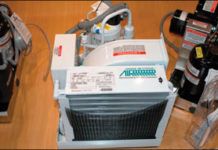
I have an air-conditioning unit with more than 14,000 BTUs. Here in Florida, with a 38-foot boat, that just doesn’t hack it. The unit’s been checked for efficiency by a technician. My prior boat (also 38 feet) had two units totaling over 20,000 BTUs. Those were effective, but that output is enough to cool a small store ashore. How are boat A/C BTUs determined? I suspect the temperature of coolant water is a major factor. Also, what is the effect when coolant water is suppressed by a clogged filter? Are they built to automatically shut down the compressor?
Freezer Safe Tracks Fridge Temps
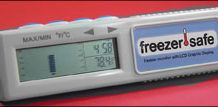
No bigger than a pack of gum, Freezer Safe is a digital recording thermometer that collects temperature data and displays it graphically. The battery-operated (two AAA cells) unit can optimize boat refrigeration systems by storing high and low temps for 100 minutes, 100 hours, or 100 days (though the batteries might not last that long). The data lets you adjust thermostat settings in order to reduce power use. The thermometer can also track warm and cold spots and help you find the best trade-off between food longevity and temperature. Freezer Safe can warn you if food may have thawed and refrozen, helps reduce the risk of accidentally freezing refrigerated foods. For holding-plate refrigeration systems to operate efficiently, the temperature cutoff on the compressor must be carefully set. Freezer Safe can help identify the ideal eutectic point for this system.

The Bug Battle Begins
With bug season upon us, a new product we unearthed during our medical kit test (see page 32) seemed worthy of a closer look. Natrapel 8 Hour, from Tender Corp. (parent company of Adventure Medical Kits), promises DEET-free protection from mosquitoes, ticks, no-see-ums, biting flies, and other nasties. While DEET, an EPA-registered pesticide, is the most common active ingredient in bug sprays, Natrapel uses Picaridin, a chemical that has been used in Europe for 20 years and made its way into the U.S. this decade. The Centers for Disease Control recommends both DEET and Natrapel as effective insect repellents. Both also are registered with the U.S. Environmental Protection Agency, which includes oil of lemon eucalyptus and oil of citronella on its list of active ingredients for repelling insects.
Latest Logbook

Practical Sailor Logbook – September 2026
This month we tour the Hans Christian 48T — the offshore cruiser many sailors call the holy grail — walk the custom Antigua 60...

Video: Morgan 44 Review – The Catalina Cruiser Everyone Forgot
The 1989 Morgan 44 is a big center-cockpit cruising sailboat with Catalina DNA—but it may be one of the most overlooked boats of its...



Latest Sailboat Reviews
Bayfield 32 Used Boat Review
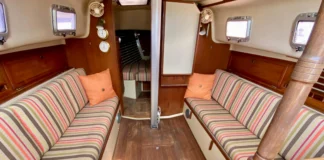
At first glance, the Bayfield 32 looks less like a fiberglass production boat from the 1980s and more like somebody shrank a traditional sailing...