


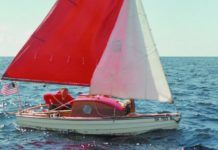
4 Types of Pocket Cruisers
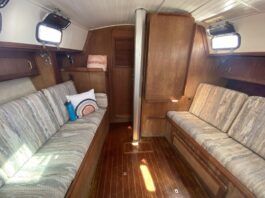
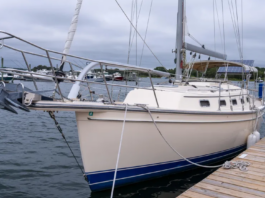
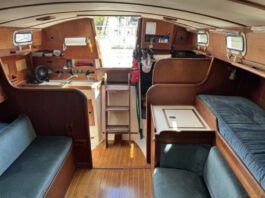
The recent release of Steve Wystrachs outstanding documentary film Manry at Sea about Robert Manry, the former copy editor who sailed across the Atlantic in a 13-foot sailboat, got me thinking again about the virtues of small cruising boats. In my view, there are at least four main types of pocket cruisers. Manrys modified lake boat fits somewhere in between the first two.
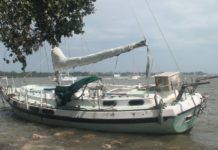
Fixing the Storm-Damaged Boat
With $655 million dollars marine vessel insurance claims from the 2017 hurricanes Harvey and Irma, there is no shortage of broken boats accumulating in salvage yards. The nations three big damaged boat liquidators - Certified Sales, Cooper Capital and U.S. Auctions are gradually thinning out their listings from Irma and Harvey, but Florence will surely bring a new crop. But just how salvageable are these boats?

Drawing the Line on Boat Design
A New Zealander greatly influenced by the traditional craft of the Pacific and Indian Oceans, famed multihull designer Ian Farrier understood that an enduring design goes through several evolutions. Proas, the small sailing craft of Micronesia that inspired his visionary folding trimaran design, presented a perfect example of this.

Deck Leaks, Mast Step Are Top Concerns
The Ericson 34-2 hull hand-laminated monocoque structure made from a single mold.
Selling Your Boat without a Broker
Im not anti-broker. Ive happily used agents buying and selling boats and houses. They serve a valuable function, bringing buyers and sellers together, managing the viewings for out-of-town and busy owners, and generally helping the transaction go smoothly. They can serve as go between during negotiations, inspections, and formalities. But they also represent a large expense in a transaction, generally 10 percent by default, though this may be negotiated lower (potentially with a reduction in service).
Flim-flam Artists Prey Upon Sellers and Buyers
You will get crank requests for information. The most dangerous are those offering to buy the boat sight unseen. For example, the person described below has not seen the boat perfect since I had not shown the boat and had only cleaned it of clutter that day. The most obvious protections are to meet face-to-face, and to accept payment by wire transfer or cash only, since cashiers checks can be counterfeit. Use the services of a documentation and title company for larger boats. If a cashiers check is the only practical means, do not release the property until the check has cleared.
What You Should Expect from a Boat Broker
If you decide to work with a broker, remember that you have options. A brokers fee is always 10 percent upon the sale of the boat, but some offer more services than others for the same price. Brokers asking you for funds up front should be immediately discounted.
Kayaks for Cruising Sailboats
Selecting the ideal tender is like picking the ideal sailboat-it depends on what you want. Within the universe of tenders are kayaks, and the diversity within this subset is just as great, with options ranging from inexpensive inflatables to pedal-drive fishing machines. Knowing we could not possibly test every kayak on the market, we focused on familiar brand names, and tested models from each maker with the hopes of answering a simple question: what kayaks best meet the specific needs of a sailor.

The Best Kayak Paddle and Stroke
A paddle should be selected with the same care you buy a shoe, since it is your connection to the water. For long-term cruising a spare may be good idea. A good economical choice is the Aquabound Manta Ray Fiberglass (about $100).
Multihull Special Report
In Part 1 of our special report on multihulls we scrutinized the implications of stability and the benefits derived form a wide stance, buoyancy and hull shape of multihulls. This time well look at structural issues and the energy transfer that takes place due to a multihulls impressive initial resistance to heel. We will also delve into what all this means for the rig, rigging, hull structure and hardware interfaces.

Morgan 382 – The $30K Boat Nobody Talks About
The Morgan 382 might be one of the most overlooked cruising sailboats ever built. Designed by legendary naval architect Ted Brewer and produced between...



Latest Sailboat Review

Jeanneau 55 Boat Review
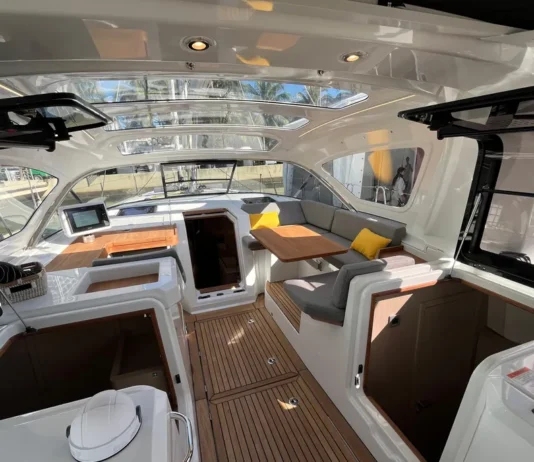
This recent sailboat from Jeanneau may as well be a spaceship. They’ve taken all the time-honored designs of a monohull aft cockpit and turned...