


Practical Sailor Tests Electric-Flush Marine Toilets
Practical Sailor compared the style, performance, weight, and ruggedness of 7 electric-flush marine toilets from four manufacturers. Once considered a luxury made only for the megayacht crowd, electric marine heads today are more compact, more reliable, and less expensive than their predecessors, making them viable options for amenities-seeking cruisers. In tests, PS compared the flow rate of the supply pumps, the amps used per flush, the time it took each toilet to flush, and the efficiency of each toilet to manage the material flushed. The test field included the Raritan Sea Era, the Raritan Marine Elegance, the Jabsco Quiet Flush, Jabsco Deluxe Lite Flush, the Johnson Aqua-T, and the Groco Type K 12-volt marine electric-flush toilet.

Winterizing the Engine: Maintenance that Is Truly Preventive
Winterizing an inboard engine installation means a lot more than filling the cooling system with antifreeze and stuffing a rag in the exhaust outlet. It means taking care of the exhaust system, the fuel system, the engine controls, and other components of the drive train, such as the shaft and prop. If you want to do these things yourself none of them is difficult, only time consuming plan on a long day of work, or perhaps a leisurely weekend.
Upgrading the C&C 33 Part I
In July 1990 we bought a 1975 C & C 33 to function as a test platform for Practical Sailor. We chose it above others for several reasons: The design seemed typical of many modern sailboats, with a fin keel and spade rudder and moderate displacement; C & C had a good reputation; and the price was right.
A Permanent Mount for the Sensibulb LED Reading Light
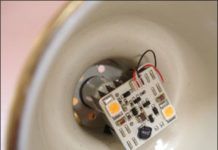
I have always been a big fan of brass berth lights, but have never really liked the halogen bulbs commonly used in them. The little halogen bulbs run hot, use a lot of power, and are prone to vibrating loose. When Sailor's Solutions (www.sailorsolutions.com) introduced the Sensibulb, I quickly ordered a couple to test in our custom built boat Suzy. They worked so well that I converted all six of our berth lights. The original Sensibulbs were nice units, but the mounting system was iffy. I elected to bypass the mounting system by removing the ceramic bulb holder and directly gluing the bulb support post to the back of the Sensibulb.
Maintaining Your Boat’s Electrical System
The storage battery’s chemical reaction is reversible, which means that it can be recharged, and will be continuously, as long as the engine is running and the alternator or generator is functioning properly. Normally, we take these things for granted, and are surprised when they don’t work-a testament to the reliability of the devices.
Getting the Charge Out of Lightning
Every year, a surprising number of boats are struck by lightning. Almost invariably, there is some damage to the boat or its equipment. The damage can range from minor electrical problems to serious hull damage.
Maintaining Your Boats Electrical System
The storage battery’s chemical reaction is reversible, which means that it can be recharged, and will be continuously, as long as the engine is running and the alternator or generator is functioning properly. Normally, we take these things for granted, and are surprised when they don’t work-a testament to the reliability of the devices.
How to Prevent Head Odors Aboard Your Sailboat
While permeation of waste gases through flexible sanitation hose is a major source of odors in the head, it is not the only one. This article looks at the possible sources one by one.
Hard-to-Find Mercedes Parts – Knotmeter Fouling
Given the number of Mercedes diesels you see on the highway, its amazingly difficult to find parts for the marinized versions of these engines. Part of the difficulty is the origin of the marine versions of the various Mercedes engines. Mercedes, like several other engine manufacturers, doesn't make marine diesels. They do, however, license other companies to do marine conversions using their engine blocks.
Lightning Protection – Tired Topsides – Yacht Design
Installing a lightning protection system is not a particularly simple task, however. ABYC standard E-4 gives four pages of instructions on the installation of lightning protection. Even with the Dynarod kit, you have to provide all the connections to create a short, direct path to ground. You must also, by the ABYC standard, tie all major metal masses in the boat - engine, tanks, stoves, for example - to the lightning protection system.
O’Day 40 – A Budget Cruiser for the Bahamas
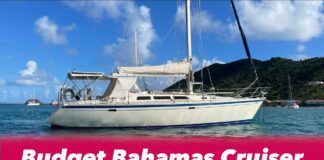
The O’Day 40 (1986) is one of those cruising sailboats that somehow slipped through the cracks of sailing history. Built during the final years...


Latest Sailboat Review
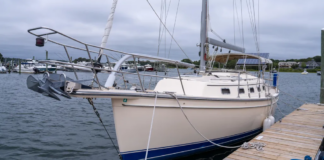
Island Packet Estero Used Boat Review
Florida-based Island Packet targets a relatively narrow niche, so the toughest competitors to its new boats are often older Island Packets. Introduced in 2010, the 36-foot, shoal-draft Estero is the company’s latest attempt to introduce a distinctive model that doesn’t stray too far from the company’s proven formula for success: moderate displacement, full-keel cruisers designed to be lived on, sailed far and in comfort, and endure the bumps, scrapes, and storms that cruising boats inevitably encounter. After sailing the Estero on Florida’s Sarasota Bay and inspecting its interior, construction, and systems, Practical Sailor testers noted that the shoal-water cruiser will appeal strongest to Island Packet fans who’ve been waiting for a shoal-draft, easy-to-sail boat that compares to the IP37 in terms of interior space. These strengths will be most apparent on intracoastal or riverine adventures like the Great Loop.