


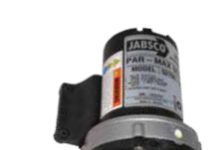
Deck Washdown Pumps for Boats
Practical Sailor evaluated washdown pumps capable of performing high-pressure cleanup chores on boats ranging in size from a weekender to a mid-size cruiser. We looked at eight pumps from four manufacturers: the C-60 Deck Wash Kit from Groco Marine; two pumps from Jabsco / ITT; two from Shurflo; and three from Johnson Pumps. With gallons-per-minute ratings ranging from 3.5 to 7 GPM, the pumps were evaluated on their free-flow and restricted outputs, outflow distance and pressure, power draw, price, warranty, design, and construction quality.

Installing Washdown Pumps
Most washdown pumps are plumbed to draw directly from the water you’re sailing in (fresh or salt), in which case, the amount of water available for use is unlimited. The only problem with using a raw-water system in salt water is the residue left behind—although a salty boat is often better than a nasty one. A second option is feeding the system from the boat’s freshwater tank. This will typically limit the amount of water you can use, but it does offer the advantage of reducing the effects of corrosion on metals via freshwater washdowns.
Additives for ULSD Fuels
I just read an editorial in another magazine stating that next year, only low-sulfur diesel will be sold at fuel docks. They went on to say that you can kiss your old diesel goodbye and re-power. I really don’t want to do that. Our 27-year-old M-30 Universal is running just fine. It seems to me that an additive should take the place as a lube that sulfur did for the engine. What is your opinion?

Practical Sailor’s 2011 Gear of the Year Picks
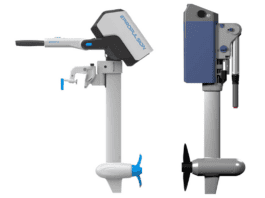
Each year, as the fall boat shows—and the deals that come with them—appear on the horizon, we pore over the numerous products we’ve reviewed in the previous 12 months to select the cream of the crop for our Editor’s Choice awards. We hope the list will help readers better navigate any boat-show or end-of-season shopping. This year, we picked from the Best Choice products evaluated in the September 2010 through August 2011 issues. The 2011 GOTY roster includes an electric outboard, some stout bullet blocks, electric marine toilets, bilge pumps, chafe gear, and marine maintenance products like bottom paint.
Marine Systems Standouts
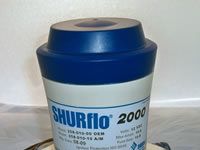
Practical Sailor spent much of the last 12 months testing marine-systems products—flushing toilets loaded with faux poo and cycling bilge pumps till they would pump no more. So it was no surprise to us that the bulk of our top gear picks for the year were systems related. PS tapped three marine heads—Raritan’s Marine Elegance, Planus’ Artic Standard, and Dometic/Sealand’s SailVac—and two Shurflo electric bilge pumps for the 2011 Gear of the Year (GOTY) list.
Bilge Setup Keeps Electrical Bits High and Dry
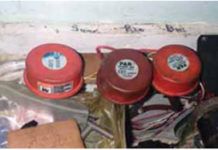
In your continuing review of bilge pumps and automatic switches, you may want to include a somewhat atypical approach that has worked very nicely on my 1964 Rhodes Reliant. It is based on the simple premise that any electrical components (pumps, wires, connectors) in the bilge are at risk of corrosion and galvanic action. Bilge electrical components can be unreliable and may cause serious damage. Hence, there should be no electrical components below the floorboards. Here’s how I did it.

Vacuum-flush Toilets for Sailboats Reduce Water Use Onboard
Following Practical Sailor’s February and March 2011 electric-flush marine toilet reviews, this month we take a look at three vacuum-flush heads well-suited for use onboard sailboats thanks to their water-saving technology. PS tested two electric vacuum-flush toilets from Dometic Corp. (Sealand) and a manual marine head from Blakes Lavac Taylors. Testers used a controlled bench test to compare performance, size, weight, price, style, features, and technology. They also reviewed installation ease, parts inventory, construction and ruggedness of materials, and customer service.
Adding or Replacing… Tanks
Tankage is a subject about which there are probably more opinions than there are hard and fast rules. Materials that are generally accepted as suitable for keeping water out of the hull are often considered unsuitable for keeping it in. The differences are not limited to various types of metal and plastic tanks and various types of plastic and metal boats. Much of the controversy centers around the practice of building tanks integral with the hull.
Adding or Replacing Tanks
Tankage is a subject about which there are probably more opinions than there are hard and fast rules. Materials that are generally accepted as suitable for keeping water out of the hull are often considered unsuitable for keeping it in. The differences are not limited to various types of metal and plastic tanks and various types of plastic and metal boats. Much of the controversy centers around the practice of building tanks integral with the hull.
Install a Water Saver: A Galley Foot Pump
Modern boatbuilders, in their desire to make boats as appealing and comfortable as possible, have made it inherently difficult to conserve water. Plumbing fixtures work just the same as those at home. The demand pressure water pump is quick to maintain pressure and oh so quiet, almost as good as city water. Of course theres hot water aboard, even though we have to sacrifice a quart of cold down the drain before we feel the warmth. The obvious solution to better onboard water management is a manual pump, either hand or foot operated. I recognized this face a whileago, but felt that manual water pumps were for day sailors, not for bona fide cruising sailboats. Pressure water is something you graduate to after paying your dues messing with plastic water jugs and on-deck sun showers. I for one certainly didnt want to regress-even though it wouls be nice for once to have cruising agendas planned around something other than the size of the water tank.
Latest Logbook

Practical Sailor Logbook – September 2026
In September we tour the Hans Christian 48T — the offshore cruiser many sailors call the holy grail — walk the custom Antigua 60...

Video: Why Are Tartans So Expensive? Inside the Tartan 3700
If you’re researching Tartan Yachts, looking for the best traditional cruising sailboat, comparing premium used sailboats, shopping for a bluewater cruiser, or considering a...



Latest Sailboat Reviews

Learning by Doing on a $5,000 Catalina 30 Mk II
When Davis’s mother started talking about wanting to do something “big” for retirement, Davis and Gloria half-jokingly threw out an idea that seemed suitably...