

Plastic Through-hull Warning
Cracked nylon thru-hulls are a common problem, as a walk in almost any boatyard will bear out. Unlike fittings constructed of industry approved materials (bronze, Marelon, etc.) nylon thru-hulls are not recommended for use at or below the waterline. Age often plays a factor in the failure of nylon thru-hulls, but ultraviolet light is the main culprit. While different brands vary widely in their susceptibility to UV damage, some are so poorly made they can fail within the first year of use. The stress placed on the thru-hull by an unsupported hose can also cause failure, with the weight of the hose acting like a lever as the boat bounces around while underway.

Best Marine Toilet Papers
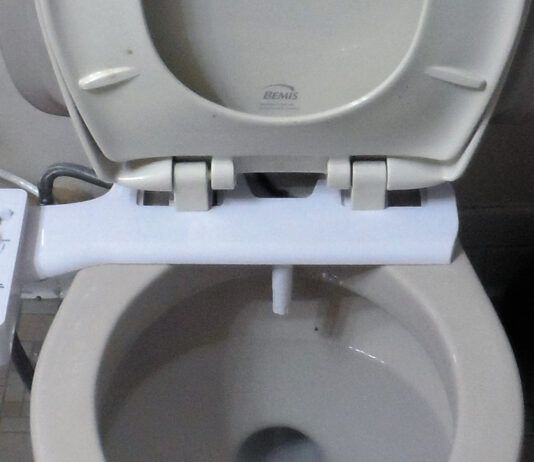
When testers dismantled Practical Sailors test holding tanks-the site of years of experiments with holding-tank chemicals, sanitation hoses, and vent filters-we hoped that it was the last hands-on contact wed have with marine sanitation systems for a long time. And then a friend came to us seeking advice on curing his regularly clogged head. He had checked the obvious culprits-scale buildup in the hoses, blocked vent, etc.-and found everything in proper order.
Making Sense of Water Filter Certification
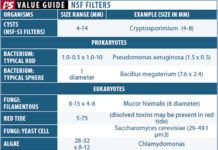
Only a few states require National Sanitation Foundation (NSF) certification for water filters, and the requirement applies only to a small number of original equipment manufactured (OEM) products.

Preventing and Treating the Tainted Tank
Foul tank water is completely preventable. Here are some dos and don'ts for a healthy water tank. Dont place glycol or other winterizing agents in the tank. Install valves as needed to winterize the pipes only; typically a tee and two valves located near the tank drain work fine.
Water Testing Tools
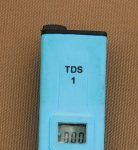
Leave water from any source in a storage tank for a while, and interesting things will start to grow. Only the purest water in an airtight bottle will have a long shelf life. But not all bottled water is what the label says it is. For a cruiser, there are two water-testing tools that are important, and a third tool that is helpful in determining what is going into a tank and managing the quality of fresh water on a long-range cruising boat.
Water Tank Filters
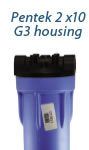
You would think that with all the emphasis cruising sailors put on their boats and equipment, we would pay a little more attention to ensuring a clean and safe supply of water. This is less a concern in developed countries, where dockside water is safely treated or bottled water is affordable and readily available. However, once you begin to expand your horizons, ensuring a clean water supply requires more thought and effort. This is the first report in a three-part series on equipment and practices that no matter where you and your boat are, you can be reasonably sure that your on-board water supply is safe.

Types of Filter Media
Water filtration isn't rocket science, but some filter media is better suited for the marine environment than others. And, as we found in our test, some cartridge designs are better than others. Here are the most common types.

Filters for Water Tank Vents
Ever find a bug doing the backstroke in your water tank? We have. Would you leave a glass of water sitting uncovered for weeks and then come back to it? Of course not, but many builders either lead the hose to a mushroom-type through-hull fitting, or terminate it inside the cabin, with nothing to keep the ubiquitous critters from seeking shelter, fresh water, or a nesting site.

Painting Water Tanks
When it comes to onboard water tanks, we prefer stainless, fiberglass, and even roto-molded tanks (in that order) to aluminum ones. Aluminum tanks tend to pit and corrode over time, often needing to be replaced. The insides of the two 60-gallon aluminum water tanks in our 30-year-old Valiant 40 were more like a nasty moonscape than a drinking source. Their surfaces were pitted and rusted from what looked like a reaction to long-time use of chlorine.

Will Your Tanks Be Clean Next Spring?
When contributor Drew Frye commissioned his familys PDQ 32 catamaran six years ago, his daughter asked, What are these pink lumps in the sink, Dad? The toilet bowl was even more spectacular, a science project in a dozen hues of pink, green, yellow, and black. The boat had been winterized for some time, down in south Chesapeake Bay, where winters are mild and many boaters and don't take freezing seriously.
Latest Logbook

Practical Sailor Logbook – September 2026
In September we tour the Hans Christian 48T — the offshore cruiser many sailors call the holy grail — walk the custom Antigua 60...

Video: The BEST Sailboat You Can Buy for $35,000 – Catalina...
If you’re searching for a mid-30-foot sailboat, affordable cruising sailboat, liveaboard sailboat, first sailboat, or a capable used sailboat for coastal cruising, the Catalina...



Latest Sailboat Reviews

Learning by Doing on a $5,000 Catalina 30 Mk II
When Davis’s mother started talking about wanting to do something “big” for retirement, Davis and Gloria half-jokingly threw out an idea that seemed suitably...