




Whats Cooking Now?
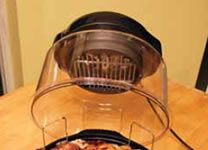
The galley may be the last place you’d expect to see new technologies, but our tour last year aboard the custom Fastwater 52 cat Ice Wars (Inside Practical Sailor, June 2011) introduced us to a new way of onboard cooking. Rather than a standard oven, Ice Wars was outfitted with only an infrared oven that was small enough to stow in a galley cupboard. Intrigued—and a little skeptical—we decided to have a go at using one of these new-age cookers to see whether it was a functional and practical galley tool.

Mailport: March 2012
Letters to Practical Sailor, March 2012. This month's letters cover subjects such as: Durabak Feedback, Inflatable Bottom Paint, US Sailing Reports, and More!

Clean Bottom, Fast Bottom
Determining how much faster a boat can sail with one paint versus another would be difficult as the prep and application of both paints would have to be identical, as would test conditions, in order to have a fair trial. None of the antifouling manufacturers we spoke with are aware of any documented head-to-head speed tests of paints.

Bottom Paint Stripping
Although we’ve tackled our share of varnish with a heat gun and scraper, we’ve never used them to strip bottom paint. The obvious concerns would be marring the gelcoat and the noxious fumes created by heating paint solvents and active ingredients. Our first choice for removing antifouling would be sodablasting (PS, October 2011), but as that’s not an option for you, we’d consider chemical stripping (PS, April 2008 and March 2009), wet-sanding, or vacuum sanding.

Reviving the Galley Spark
Any thoughts on how to get the “spark” back in the burners on our Force 10 stove? The ignition sparkers on all three burners are, at best, sporadic. I’ve gotten some basic info from the factory, but it hasn’t helped. The ignitor’s battery has been replaced, the ends cleaned, and what I thought might be the issue—stove grease—has been taken care of.
Dinghy Roller Test Drive
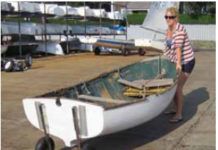
We tested each product for overall quality of construction, ease of installation, and ease of use. Each model was tested on three different surfaces that are common dinghy-transporting areas: an inclined, concrete boat launch ramp with cracks in the pavement wide enough to push some dinghy dollies off course; a sandy beach, where the sand ranged from nearly flat and hard at water’s edge to more than 4 inches deep and soft above the high-tide mark; and a rocky shoreline, with some irregular stones that measured up to a foot in diameter. Each set of dinghy wheels was attached to the transom of a 9-foot, 130-pound rowing skiff. To avoid drilling a bunch of holes in our own $1,200 dinghy, we picked up a haggard—but appropriately sized—$75 garage-sale skiff for these tests.

Chandlery: October 2011
Practical Sailor Chandlery: October 2011. This month reviews a pocket video, new mastclimber, and belowdeck comfort.

Hunting Elusive CNG Refill
I have a CNG (compressed natural gas) stove onboard, and Ive had a hell of a time finding a place to refill the tanks. Im in the Cleveland, Ohio area, and I had to go to Grosse Point, Mich., the last time for a fill-up. Do you know of dealers in my area who can fill CNG tanks?
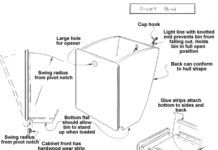
Pivot Bin
Pivoting Bin is made much like a drawer and fits efficiently into narrow places. Make it large enough shopping bag for trash can.
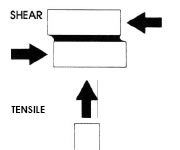
Adhesives: Making a Successful Selection
Almost from the dawn of man, this unique creature has used his ingenuity to make different materials stick together. In fact, this may well have been the first technology, whether used in the making of tools or other necessities.
Latest Logbook

Practical Sailor Logbook – September 2026
This month we tour the Hans Christian 48T — the offshore cruiser many sailors call the holy grail — walk the custom Antigua 60...

Video: Morgan 44 Review – The Catalina Cruiser Everyone Forgot
The 1989 Morgan 44 is a big center-cockpit cruising sailboat with Catalina DNA—but it may be one of the most overlooked boats of its...



Latest Sailboat Reviews
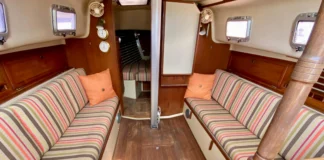
Bayfield 32 Used Boat Review
At first glance, the Bayfield 32 looks less like a fiberglass production boat from the 1980s and more like somebody shrank a traditional sailing...