


Tips for Caulking Polyethylene
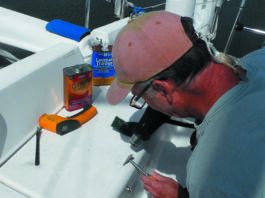
In our upcoming test of marine sealants we looked at ways to develop bonds between common polyurethane sealants and polyethylene plastics-the kind of plastic used in a variety of marine products ranging from fuel tanks to baseplates. Starboard is one of the most common brand-name high-density polyethylene materials, and it is notoriously difficult to seal or bond using conventional caulks or adhesive sealants. But there is a partial solution to using an adhesive sealant with plastic, and our tests show it works.
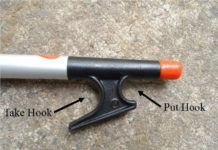
The Blow-by-blow Boathook Test
Our first surprises came when we began pull- and push-testing the telescoping boathooks. Only one pole consistently held firm under load. All the others slipped at loads between 100 and 185 pounds. We then tested them in compression. Most of the poles could manage 170-pounds of compression, although a few telescoping poles slipped.
Is Stainless Steel Really the Best Metal for Use in an Anchor?
Each time Practical Sailor conducts an anchor test, we get questions about the materials used in anchors, particularly stainless steel. Stainless steel is much less prone to unsightly and destructive oxidation than mild steel, even when it has been hot-dipped galvanized and protected by a heat-bonded zinc coating.

A Simplified Internet Connection for Boats
As high-speed, cellular data service extends throughout the coastal U.S. and abroad, the ability to turn your phone into a mobile hotspot (MiFi) has diminished the need for a Wi-Fi connection to a shore-based network. But cellular data plans can be expensive, service can be spotty, and high-speed data isn't offered everywhere. In the October 2016 issue of Practical Sailor we look at an integrated antenna/WiFi adapter/router that allows you to quickly connect to the internet using either a shore-based Wi-Fi network or cellular service (2G/3G/4G/LTE).
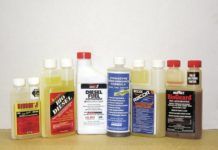
Preventing Fuel Problems in Marine Diesel Engines
Murphys Law has an affinity for old marine diesel engines with aging fuel systems. Contaminated fuel is a common problem, and late last year we looked at various additives that claim to preserve stability in both gasoline and diesel fuel during long-term storage. But fuel system maintenance doesn't stop during the sailing season. Here are some fuel-system management practices that will help you avoid any fuel-related problems this season.

The View from Havana
Do they check your boat when you go back to America?They do, I said, though I had no idea if anyone did. And I think the Cuban customs officials bring dogs on board, before we leave, to make sure no one is hiding on the boat.
Understanding Practical Sailor’s Ratings System
Most long-time readers are familiar with our ratings categories-Best Choice, Recommended, and Budget Buy-but their significance might not be so obvious to new readers. In fact, weve received a number of letters from people asking us to clarify what these ratings mean. So, here it is.
Double-check for Propane Leaks
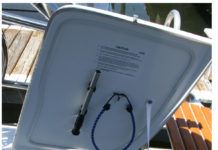
After my recent post on portable marine heaters and insulation, a few people asked our opinion of liquid petroleum gas (LPG) heaters. Simply stated: We are not fans of portable LPG systems on boats. A boat fire in New England last month offered a pretty good example of the risks of this type of equipment. Even fixed propane heating (and cooking) systems that employ all the safety precautions recommended by the American Boat and Yacht Council or comparable advisory bodies can be dangerous, if they are neglected.
Hurricane Season: Dr. William Gray’s Final Forecast
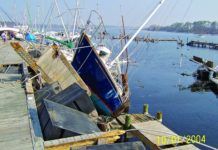
About ten years after Jimmy Buffet first sang about the futility of reasoning with hurricane season, Dr. William Gray was figuring out how. This week, the scientists at Colorado State University carried on a tradition begun by Gray more than 30 years ago when they released their annual prediction for the North Atlantic hurricane season. The forecast predicts the number of named storms, the number of hurricanes, the number of major hurricanes, and the number of days that at least one named storm will be roaming the region this year.
Revisiting the Cherubini Hunter 30
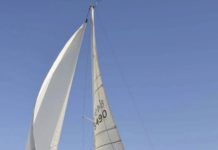
While Hunters marketing genius is enviable, the true achievement in its early boats like the John Cherubini-designed Hunter 30 is that theyve managed to endure at all. The Hunter 30 was launched on the wake of the 1973 oil embargo, and the design survived through nine years of stagflation and rising unemployment. Fortunately, significant improvements in fiberglass construction methods coincided with the need for lower production costs. Selling sailboats could still be lucrative, but profitability in the mid-price ranges often required a few corners to be cut.
Latest Logbook

Practical Sailor Logbook – September 2026
In September we tour the Hans Christian 48T — the offshore cruiser many sailors call the holy grail — walk the custom Antigua 60...

Video: The BEST Sailboat You Can Buy for $35,000 – Catalina...
If you’re searching for a mid-30-foot sailboat, affordable cruising sailboat, liveaboard sailboat, first sailboat, or a capable used sailboat for coastal cruising, the Catalina...



Latest Sailboat Reviews
Learning by Doing on a $5,000 Catalina 30 Mk II
When Davis’s mother started talking about wanting to do something “big” for retirement, Davis and Gloria half-jokingly threw out an idea that seemed suitably...