


Epoxy Fairing Compounds, Part One
Breathing life into an older fiberglass boat always entails more work than was expected, but for a person with the time, skill, and do-it-yourself inclination, it is often worth the extra effort. The DIY approach makes even more sense when the boats structural quality and big-ticket components meet the grade, and the skipper and crew are ready to tackle the cosmetic makeover. These fairing compounds are perfect for structural and cosmetic fiberglass repairs.
Testers Check Epoxy Sandability, Adhesion, and More
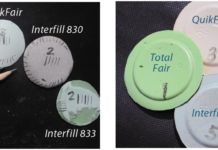
Testers evaluated sandability, resistance to sag, cure time, and adhesion using sample fiberglass panels with 3-by-3-inch test swatches. The fairing compounds were applied and cured in temperatures ranging from the low 60s to the mid-80s. Each test was repeated three times, and the results were averaged. The shaping test involved closely timed periods of even sanding using a block sander and new sheets of 80-grit sandpaper. Testers observed each materials tendency to clog the sandpaper, and measured the volume of accumulated dust after four minutes of sanding.
Careful Application Saves Your Sanding Arm
Epoxy fillers can be used to fix surface imperfections or for reshaping appendages like keels and rudders to make them more efficient. The smaller the surface imperfection, the less viscous the fairing compound should be. When filling deeper holes or voids, check the manufacturers recommended thickness per application. It may take two or more coats to achieve the necessary thickness. Applying filler too thickly can cause it to sag or will result in an incomplete cure.
Fairing the Keel(s)
One of the more popular uses for fairing compounds is for shaping underwater appendages like keels and rudders so they are more efficient. Adjusting the NACA (National Advisory Committee for Aeronautics) profile, or airfoil shape, of a fin keel or rudder can create more lift to enhance windward performance. Altering the trailing edge can yield similar improvements.
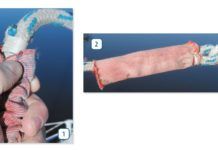
Sewn Splices Two-Year Followup
The true test of marine gear is not whether it works when installed, but rather how it functions after years in the field. To that end, we have left samples of sewing materials and sewn test samples in the sun, wind, rain, and snow for two years, and have also sailed with sewn samples in service on our test boat.
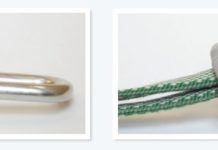
The No-sew Webbing Strap with Link Buckle
Weve sewn our fair share of eyes in nylon webbing, but heres an easy no-sew alternative for creating a webbing strap with a buckle (shackle) that can be used for easily lashing down the dinghy, a battery, or even holding up your pants in a pinch. It is based on stuff a sailor has on hand-webbing, a chain link, and a shackle-and is as strong as professionally sewn ends, plus it can be untied after loading. It has tested at greater than 85-percent breaking strength and 100 percent of minimum rate strength, and it works on both nylon and ultra-high strength materials like Vectran webbing.
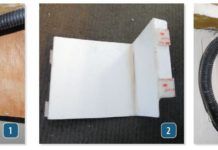
Getting a Grip on Velcro
We think of all stick-and-rip, hook-and-loop fasteners as Velcro-just as we ask for Kleenex after a sneeze-and most tend to have uniformly low performance expectations of these velcro products, assuming that they will have limited holding power from the beginning. These assumptions are not totally unwarranted. Velcro will inevitably be the first component of a canvas project to fail, with ultraviolet rays degrading the fine threads and holding strength dropping to zero within two to four years. When used to mount even the lightest equipment, the velcro fasteners vibrate loose without warning. The Velcros adhesive can slowly ooze off in heat, buckle in humidity, or simply turn to dust. So do any of them actually work? PS testers decided to find out.
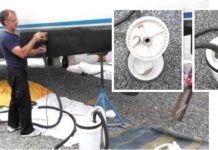
Dustless Sanding
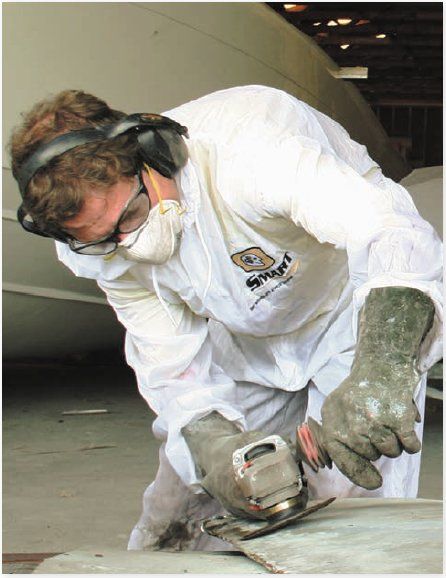
Responsible boatyard work requires dust collection. Whether its toxic bottom paint or ordinary sanding dust, it still makes a mess and can ruin a neighbors paint job-in-progress. Dustless sanders have hose connections leading to vacuum cleaners, but unless it is a sophisticated vacuum with multi-stage dust separation, those filters clog and dust flies.
Adhesives Test
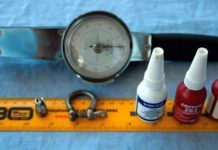
Once upon a time in Tasmania, a skipper faced a daunting task: install a three-bladed, folding propeller without hauling out the boat. The underwater job would require an adhesive to secure some of the bolts, but which adhesives that were already on board would work best under water? To find out, PS contributor Jonathan Neeves decided to run a little adhesives test of the three products he had on hand-all commonly found at chandlers worldwide under the same or a similar brand.
Fitting a Roller Furling Line
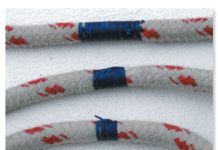
Replacing the roller-furling control line is an easy do-it-yourself job for the boat owner. Inexpensive, double-braid Dacron is a fine choice for furling lines on most boats shorter than 40 feet. On longer boats, you can opt for a furling-line material of more esoteric double-braids with less stretch. However, any line smaller than 3/8-inch diameter is too difficult to grip.

Morgan 382 – The $30K Boat Nobody Talks About
The Morgan 382 might be one of the most overlooked cruising sailboats ever built. Designed by legendary naval architect Ted Brewer and produced between...


Latest Sailboat Review

Jeanneau 55 Boat Review
This recent sailboat from Jeanneau may as well be a spaceship. They’ve taken all the time-honored designs of a monohull aft cockpit and turned...