


Stopping Centerboard Pin Corrosion
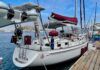
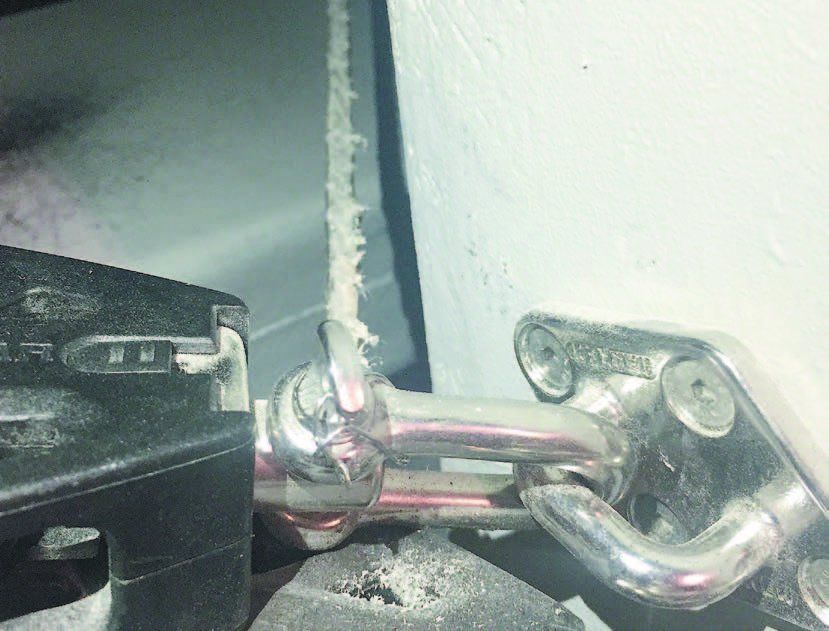
Im trying to determine the cause of erosion of the centerboard pivot pin from Arcturus, our 36-foot Soverel keel/centerboard cutter. It is a -inch diameter silicon bronze pin installed new in 2004. I removed the centerboard a few weeks ago and was surprised to see that the pin was heavily corroded. Ive attached a few pictures of the pin. The boat has a fiberglass encapsulated lead keel, with the lead bedded in a resin/sand mixture. The pivot pin fits in a hole drilled through the keel and centerboard trunk (which has encapsulated lead on both sides).
How to Measure Boat Humidity: Psychrometric Charts Do It Right
Insulation is a greater energy-saving expedient; if our heater or air conditioner is undersized, fixing drafts, shading or insulating windows, and insulating non-cored laminate are all ways to reduce the thermal load. For boaters, however, that is only half of the equation.
Simple Steps Will Keep Salt Out of the System
Depending on the collection area and the sailing, salt can be a primary problem. Spray falls and dries, layer after layer, until the decks hold enough salt to foul a considerable flow of water. The solution? Wash the deck with seawater before the rain comes. Squeegee off as much as practical or towel dry, and common sense dictates this is best done when at sea and must be done away from red tides. We tested the run-off from the top after scrubbing with seawater, allowing to dry, and then spraying with tap water equivalent to 1/10-inch of rain (see results in table below). In addition to taste, seawater contains significant sulfate levels, which combined with bacteria in the tank under anaerobic conditions, can lead to sulfurous water; sailors notice this when a seawater flush is used for the head, but allowed to become stagnant for a few days; the first flush will smell.
Winterizing Wisdom from the Chemistry Lab
Each winter sailors must tackle the project of winterizing their potable water system. Our preferred method is to dry the system completely (see PS September 2014, Step-by-Step Winterizing tips. If thats not possible we completely empty the tank and then treat the plumbing with the correct concentration of anti-freeze. The online version of this article provides all the details you need to carry out this process, as does the recent Inside Practical Sailor blog post, The (Cold) Case of the Frozen Anti-freeze.
Stopping Deck Hatch Leaks
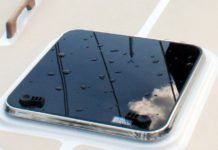
When I searched the internet for advice on repairing a small leak between the lens and sealant on a 20-year-old Lewmar Ocean 60 hatch, on my 1996 Valiant 42, I was dismayed by the dearth of information. Even the Lewmar site does not provide a schematic of the hatch or a service manual. You can purchase a new gasket but that is not what is leaking. There is no mention of the sealant. Hatchmasters quoted a repair cost 1/2 the price of a new replacement with a greater than four-week turnaround. I would still have to remove and replace the hatch. I will wing it, but thinking that if it came to that, I would definitely not want to replace it with a hatch I could not readily service myself. In my subsequent search I found a reference to a PS July 1, 1994 comparison of Offshore Deck Hatches. I was then dismayed to find that the PS archives stop at year 2000. Fortunately, after some rummaging I found the print version. It was still relevant and useful. In fact as far as I can tell, it is the most recent hatch comparison out there.
The DIY Sail Repair Kit
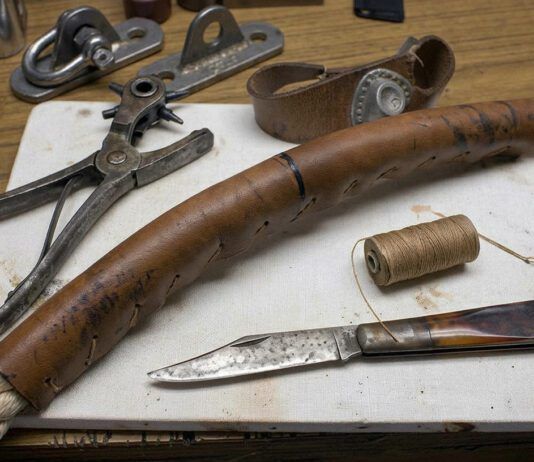
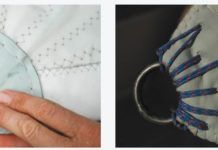
If youre going to sail youll be doing some stitching. No two ways about it. Dont jump into the $100 do-everything kit. Start with a modest kit, adding tools and materials only as your skills grow and projects require them. You already have most of what you need in your other supply lockers or tool boxes. Study a good book on sail and canvas repair, concoct a few small projects for practice.
Removing 3M 5200
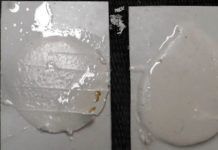
Our recent test of caulk removers, (PS Tests Caulk Removers, Practical Sailor, January 2017), focused primarily on silicone caulk remover because these caulks can leave a residue that makes it impossible for anything to bond. After that test, we got a call from reps at Debond who explained that their product, although effective with silicone, is formulated to break the bond between to break the bond between 3M 5200 and a smooth gel coat surface. This is a common challenge for sailors who must disassemble through-hulls, remove chainplates, or repair structural components. So we went back to the lab to find the best antidote to 5200, and we present the results of our tests here.
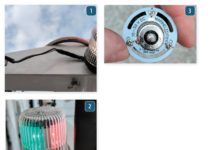
Converting an Anchor Light to an LED Tricolor Light
The cost of masthead tricolor navigation lights, a safety improvement many sailors add to their boats, involves expense beyond the fixture itself such as a switch on the DC panel, additional wire to snake from the panel to the masthead, through-deck fitting, and labor.

2017 Top Sailing Gear
Each year, just prior to the fall boat show season, Practical Sailor editors consult with our testers to come up with a select list of Gear of the Year from the previous 12 months of testing. For most of the 2016-2017 testing season we focused on essential everyday products that owners of boats of all sizes-with a few exceptions-rely on. While our testers appreciate new technology, they recognize that a safe passage often depends on the reliability of the weakest link, and that weakest link is often a seemingly minor component that gets little attention. In short, our Editors Choice list is not the sexiest product roundup, but if youre serious about keeping your electrical connections corrosion free, making professional repairs on a blue-collar budget, maintaining a safe speed in a steep following sea, or looking for a way to manage a big genoa without upgrading to an electric winch, youll appreciate it.

Fixing Tears in Sunbrella Boat Canvas
Sooner or later, chafe, UV rays, and sharp edges take their toll on our canvas. A misplaced screw or simple friction will eat holes in a dodger. A seam gives up, a boom rubs through the fabric, and a few snaps come loose.
Latest Logbook

Practical Sailor Logbook – September 2026
In September we tour the Hans Christian 48T — the offshore cruiser many sailors call the holy grail — walk the custom Antigua 60...

Video: If You See This on a Used Sailboat, Walk Away
If you’re searching the used sailboat market, comparing sailboats for sale, or learning how to inspect a sailboat before buying, these are the red...



Latest Sailboat Reviews
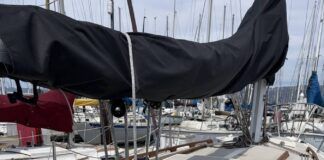
Cal 2-27 Used Boat Review
Our story begins in 1970, with the introduction of the Cal 29. Looking for something similar but a bit smaller, the company asked designer Bill Lapworth for a 27-footer, which at first was the Cal 27, a fin keel, spade rudder design with a convertible pop top; another incarnation of this basic hull was the T/2. But the concept of the 29 found its full expression in the Cal 2-27, which began production in 1975 and continued to 1977, after which it was again modified and called simply the Cal 27...again. Production of it ceased in 1986.