



Repairing Molded Plastics
Before looking for the right glue, understand why the part broke. Did it succumb to a combination of UV damage, creep (distortion), fatigue, and...

SNADs: Snaps Without Screws
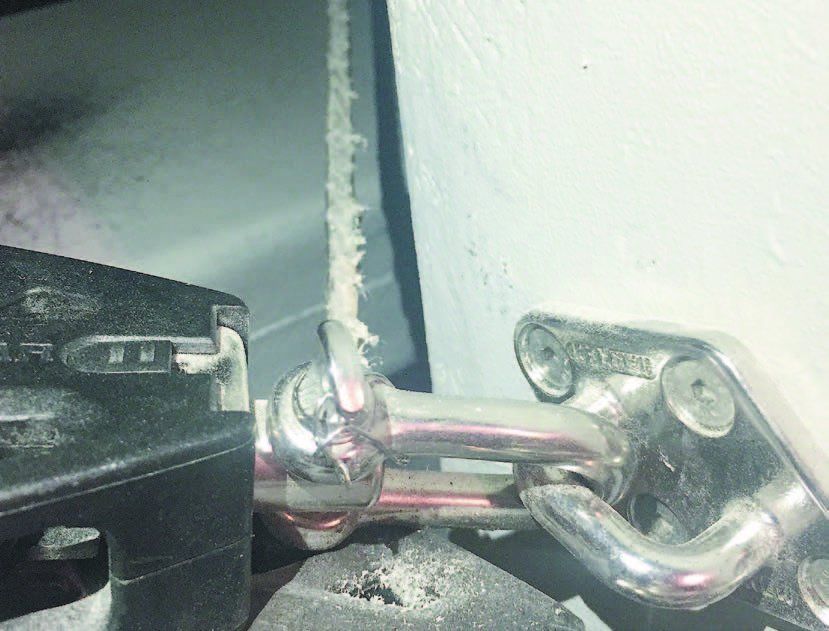
No one likes drilling holes in their boat, and to drill holes for a simple snap seems like overkill. I love snaps for window...
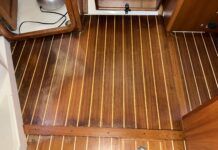
How to Repair a Water-Damaged Teak and Holly Sole
A sailing buddy came to me looking for advice. He had inadvertently left a portlight open and a combination of rain and snow had...
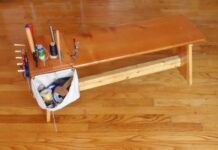
Five Best Homemade Sail Repair and Splicing Tools
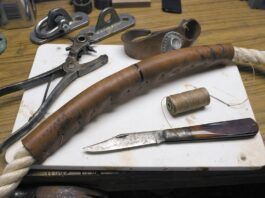
I doubt there is a sailmaker out there who doesn’t have a few shop-built tools in daily use. Here are five of my favorites:...

Six Best Homemade Boat Maintenance Tools
OSHA has a thing against homemade tools. While a shortened extension on a paint roller won’t give them heartburn, modified power tools and attachments...
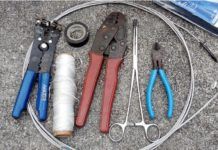
A Smart, Easy Way to Rewire
Running the wires for new electronics requires your best cursing vocabulary, lots of sweat, twisting body contortions, luck, and the occasional bandage. For tips on how to make this job easier, we turned to PS contributor Bill Bishop. A professional marine-electronics installer, Bishop has many ingenious ways to thread a wire from point A to point B.
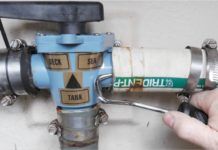
Hose Fitting Tips
Pulling hoses is generally low on the fun list. They are in bad places, jammed onto crusty hose-fitting barbs, and have stiffened over the years. As part of our 2016 update on long-term tests, we needed to wiggle loose a few of the sanitation hoses were testing to see how they were looking on the inside-a job much less pleasant than new installation.

Small Wire Connections: Best Methods
Connecting two standard-size wires is pretty straightforward: Grab a ratchet crimper, adjust it to fit the crimp connector, strip the two wires to fit into the butt connector, slide the wires into the connector, and squeeze the crimper. The required materials are readily available: butt connectors for inline splices, ring connectors for terminal blocks, and a dab of anti-corrosive grease for the bolts and rings. Done right, these connections can survive some extremely tough conditions. In a recent test of anti-corrosion greases and connections, we demonstrated how these connections can last up to five years in the worst bilge conditions.

Considering Fiber-Reinforced Composites for Sheathing
As we explore material legacies and evolution with a regenerative lens for our Wharram Narai Mk IV build, the focus now shifts to sheathing...

Seacocks for Thin Hulls
A proper below-the-water line sea cock consists of three parts: the outside portion or mushroom, which threads into the flanged valve, the flanged valve, and the backing plate.
Latest Logbook

Practical Sailor Logbook – October 2026
This month leans into used-boat value and hands-on maintenance: Tim Labute tours the traditional, shoal-draft Bayfield 32, Nick Nicholson revisits the much-requested Morgan 38/382,...

Video: What Happened to the Hallberg Rassy 400
Filmed at the Annapolis Sailboat Show, we take an in-depth look at the Hallberg-Rassy 400's hull construction, twin helm cockpit, twin rudder steering system,...



Latest Sailboat Reviews

Tartan 31 Piper: Used Boat Review
The Tartan 31 is one of the new line of performance cruising yachts from the venerable-and durable--Grand River, Ohio boatbuilder. In the last few years, Tartan Marine has come out with a range of new models, including the T-28, the 3500 and the 4600. A 41-footer is in the works. Both the 28 and the latest version of the 31 are part of the new Piper series, which are marketed in sailaway condition. Tartan has a reputation for solid construction and good workmanship and that's what the 31 is: solid and well put together. The hull is hand-laminated with alternating layers of chopped strand mat and unidirectional E glass. Behind the NPG/ISO gelcoat there's a layer of vinylester resin, which so far appears to provide the best osmotic blister protection available.