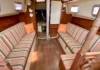



Restoring a Classic: How to Get into Sailboat Ownership on a Budget
Some sailboat buyers want (and can afford) to plunk down a boatload of money to get on the water right away. For others, restoring...
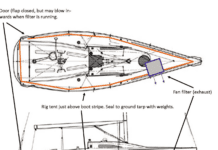
Making Your Own Workshop Filter
It all started when I needed to make a number of large cuts inside the house and outside of the confines of my shop....

How I Made My Wooden Wheel
The reader will notice that the title is not “How to Build a Wooden Wheel”. I don’t pretend to be a carpenter or shipwright,...
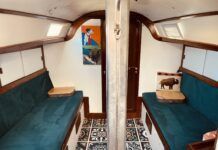
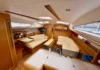
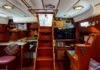
DIY Salon Refit: 1979 Fast Passage 39
"Interesting, functional and downright ugly," were a few words people used when I mentioned the boat my husband and I had on Vancouver Island...
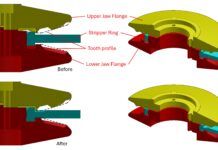
Rescuing Older, Self-Tailing Winches
I love my winches. Like a trusted companion, they have been with me through thick and thin and have always performed for me when...
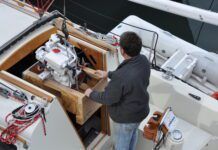
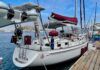
Engine Replacement on Islander Bahama 30
There may come a time when repowering your cherished sailboat needs to be addressed. I suspected that not all 13 horses of the venerable...

Simple Lithium for Outboard-Powered Tenders, Daysailers, and Sport Boats
Lithium is cool. Your cell phone uses it. Cameras, laptops, flashlights … everything. But “cool” is not a reason. Fire is not a big...
Glues and Resins: Can Boatbuilding Be Regenerative?
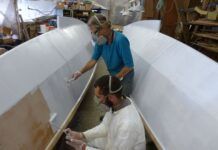
The use of glues and resins is indispensable in modern wooden and plywood boat construction. Ahead of self-building a 41-ft. Wharram Designs Narai Mk...
How to Make Dodger Cover Canvas Pattern
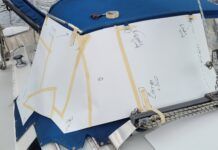
For those of us with dodgers, we know how truly practical they can be. They protect the crew from wind and water splashes and...
What Are the Best Options in Hose Clamps and Barbs?
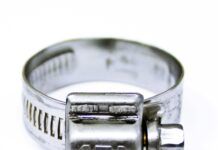
In “Stainless Steel Hose Clamps,” February 2016, we reviewed hose clamps by testing corrosion resistance and clamping security. Not a lot has changed; cheap...
Latest Logbook

Practical Sailor Logbook – September 2026
In September we tour the Hans Christian 48T — the offshore cruiser many sailors call the holy grail — walk the custom Antigua 60...

Video: If You See This on a Used Sailboat, Walk Away
If you’re searching the used sailboat market, comparing sailboats for sale, or learning how to inspect a sailboat before buying, these are the red...



Latest Sailboat Reviews
Cal 2-27 Used Boat Review
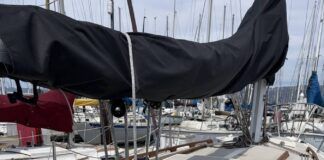
Our story begins in 1970, with the introduction of the Cal 29. Looking for something similar but a bit smaller, the company asked designer Bill Lapworth for a 27-footer, which at first was the Cal 27, a fin keel, spade rudder design with a convertible pop top; another incarnation of this basic hull was the T/2. But the concept of the 29 found its full expression in the Cal 2-27, which began production in 1975 and continued to 1977, after which it was again modified and called simply the Cal 27...again. Production of it ceased in 1986.