To provide the best experiences, we use technologies like cookies to store and/or access device information. Consenting to these technologies will allow us to process data such as browsing behavior or unique IDs on this site. Not consenting or withdrawing consent, may adversely affect certain features and functions.
The technical storage or access is strictly necessary for the legitimate purpose of enabling the use of a specific service explicitly requested by the subscriber or user, or for the sole purpose of carrying out the transmission of a communication over an electronic communications network.
The technical storage or access is necessary for the legitimate purpose of storing preferences that are not requested by the subscriber or user.
The technical storage or access that is used exclusively for statistical purposes.
The technical storage or access that is used exclusively for anonymous statistical purposes. Without a subpoena, voluntary compliance on the part of your Internet Service Provider, or additional records from a third party, information stored or retrieved for this purpose alone cannot usually be used to identify you.
The technical storage or access is required to create user profiles to send advertising, or to track the user on a website or across several websites for similar marketing purposes.


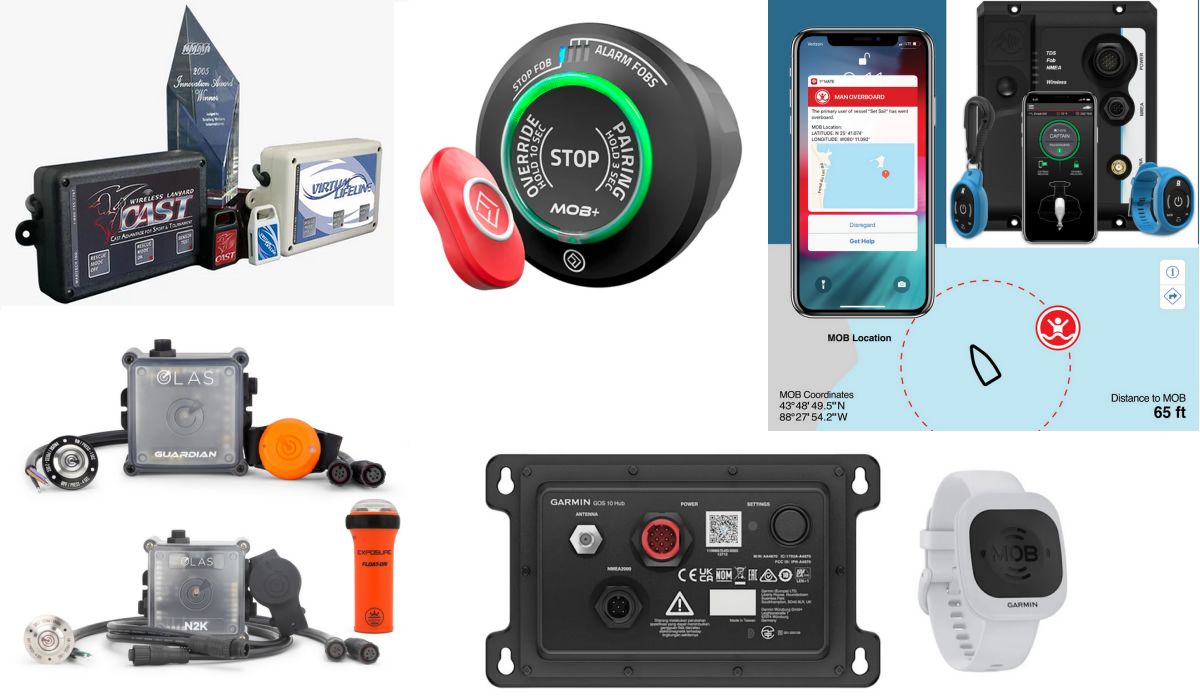






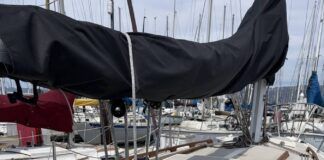

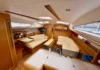
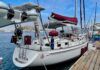
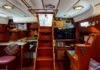
I had the ACR OLAS system installed on my recently sold trawler. I am often a solo boater. My tag was in captain mode (overboard alarm and engine shut off), and my dog was in crew mode (alarm only). I used the system for several years, and it worked when I tested. Fortunately, no real emergencies. I will likely install the same OLAS system on my 40 foot cruising sailboat, as I solo there as well. I too recognize the sailing limitations. We all have pictured a perfectly trimmed sailboat sailing away on auto pilot after falling overboard. I have envisioned also wiring the OLAS to the autopilot. Once the autopilot’s power is cut off, the boat would eventually head into or off the wind. This may be pure fantasy. Thanks for this review, as one of my hesitations on going with the OLAS system again was the consideration of what else might be out there. Looks like I’ll go with the OLAS again.
Thanks for sharing your experience with the OLAS system. My review should have mentioned a third ACR OLAS system that is even more affordable. It’s called the ACR OLAS Core, and it’s available online for $178 ( https://www.westmarine.com/acr-electronics-olas-core—base-station-for-olas-transmitters-and-man-overboard-mob-alarm-system-20282109.html ). It costs less because it does NOT include a switch and does NOT integrate with an engine cut-off switch. It’s strictly the core MOB system.
I had not thought of cutting off the power to the autopilot instead of the engine. That might work (eventually) under sail, but if you WERE under power, the boat would presumably be doing great big circles. For my boat, which has a manual fuel cut-off, I’d have to find and install an electric cut-off switch and then have the system cut out both the engine and the autopilot. I’m going to wait and see what manufacturers come up with.
i installed a fell marine mob+ on my 35′ sailboat with diesel that i singlehand often. the boat also has a garmin reactor autopilot. i did a “hybrid” installation through a couple of relays whereby if i go overboard it both kills the engine and disengages the autopilot. so in the event of mob, the boat is incapacitated whether it’s under power or sail. in spite of the boat being larger than what fell recommends, i’ve had no problems withe range of the system
Thanks for sharing. How, exactly, did you rig “relays” to disengage the autopilot? That’s a crucial capability needed by solo sailors.