


DIY Mast Boot
With a little imagination and some inexpensive materials, you can put together a leakproof mast boot in a few hours. 1. Roofing Rubber One reliable boot sealer is self-adhesive ethylene propylene diene monomer (EPDM), a common rubber-membrane roofing material. Sold at local building supply stores, the rubber is black in color and comes in a roll that is 5 inches wide. (Dont confuse it with ice and water shield, which is much thinner.) Peeling the plastic backing from the underside of the EPDM material exposes the sticky side. Arrange precut strips prior to permanent installation. We suggest using American-made products as the imported stuff doesn't adhere well to itself.
Exterior Wood Finishes
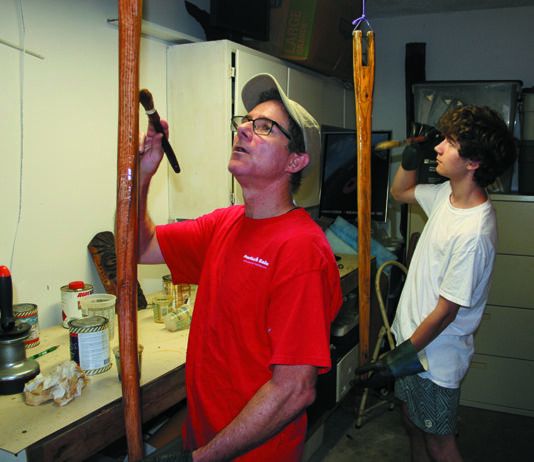
After a brief-and for testers, much needed-hiatus from testing wood finishes, we recently launched a new long-term evaluation of exterior wood coatings. Our last round of tests, a two-year death match, wrapped up in 2011. Although the test field this go-around is smaller than the previous tests lineup, it includes some new products and some that have been reformulated since the last long-term test began in 2007.
A DIY Water Filter
For those of you unfamiliar with Baja fuel filters, they are multi-layer strainers, purchased or handmade, used to filter diesel fuel of dubious pedigree before loading. Water, whether from a dockside hose or rainwater, presents a similar challenge. Weve been exploring freshwater filtration possibilities for a series of articles to come, and while there are great pre-filtration products out there, none offer the versatility of our own home-grown solution, which we call the Baja water filter.
Making Engine Oil Changes Easier
Some boat manufacturers have no concern for simplifying things, like changing the auxiliary engines oil, once the boat leaves the factory. But the process should not be more than a 15-minute job, and at most, only a few drops of oil should need to be cleaned up.
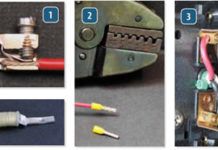
Out, Out Brief Wiring Terminals!
Eurostrips, Euroblocks, set-screw terminations-whatever you want to call them-they are here to stay. Many companies supply set-screw terminations as part of electronics installations, solar controllers, inverter/chargers, navigation lights, or even engine gauge panels. These set screws, if not protected by a pressure plate or a wire terminal, can cause damage to the wire stranding and eventually lead to failure. Attention to the details should always be top on the list when dealing with Euroblocks or any set-screw termination that bears directly onto the wire strands.
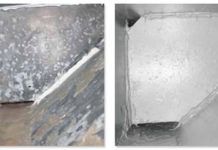
Painting Water Tanks
When it comes to onboard water tanks, we prefer stainless, fiberglass, and even roto-molded tanks (in that order) to aluminum ones. Aluminum tanks tend to pit and corrode over time, often needing to be replaced. The insides of the two 60-gallon aluminum water tanks in our 30-year-old Valiant 40 were more like a nasty moonscape than a drinking source. Their surfaces were pitted and rusted from what looked like a reaction to long-time use of chlorine.
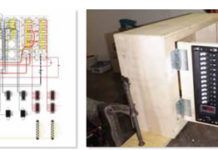
Electrical Panel Upgrade
Editors note: Designing, installing, and wiring a new main circuit panel on a full-fledged cruising boat is an extremely challenging refit project. The writer is a professional engineer who made sure that his installation met or exceeded American Boat and Yacht Council Standard E-11. Failure to adhere to the standard could result in fire, injury, or death. We offer the following article, which outlines the steps involved in constructing a custom panel, as a rough guide. In our opinion, such a project should not be carried out without the consultation of an ABYC-certified electrician.
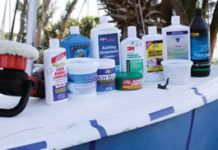
Heavy-Duty Rubbing Compounds
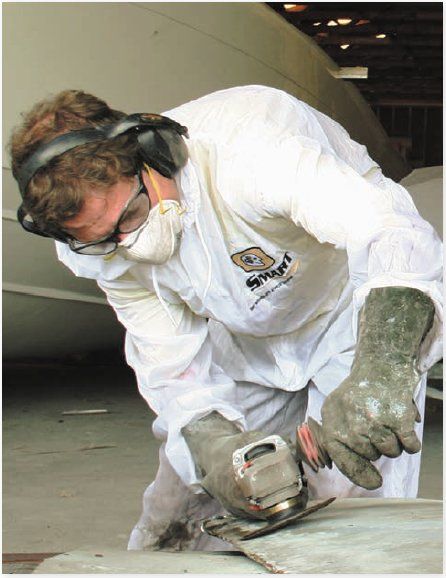
Gelcoat provides a fiberglass boat with a hard, water-resistant protective shell. When new, its polished and waxed to a bright shine, but after a few years of facing the elements-especially damaging UV rays-gelcoat will begin to oxidize and turn into a dull, chalky film on the surface. There are a few ways to remedy an oxidation problem (see Tips & Techniques), but for this article, we focused on coarse and medium-coarse rubbing compounds, which can be buffed on to remove the chalky layer and fine scratches. The tests evaluated ease of use, ability to remove oxidation and scratches, and whether they left swirl marks; testers also considered price, availability, and eco-friendliness.
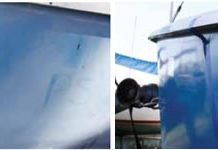
Tired Daysailer Hull Serves as Test Platform
Practical Sailor tested the compounds on the badly oxidized hull of a neglected 1974 ODay Javelin daysailer that has been stored uncovered in the Florida sun and salt air for years. Formerly the platform for gelcoat restorer and wax tests, the Javelins once dark-blue hull had degraded into a chalky, light blue mess.
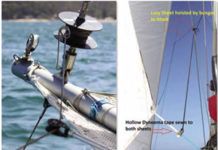
DIY Rigging Hacks
Over the years weve owned Josepheline, our 38-foot Lightwave catamaran, weve figured out a few simple fixes to some niggling onboard problems-some boat hacks, if you will-and we thought wed share a few in the hopes that other boat owners may benefit. If you have any little fixes of your own that youd like to share, email your story to [email protected].

Morgan 382 – The $30K Boat Nobody Talks About
The Morgan 382 might be one of the most overlooked cruising sailboats ever built. Designed by legendary naval architect Ted Brewer and produced between...



Latest Sailboat Review

Caliber 33 Used Boat Review
The Caliber is a peculiar blend of tradition and innovation, of security and performance, of practicality and pizzazz. All of the owners we heard from were "satisfied." One called the 33 his favorite boat over six decades of sailing.