

Underwater Epoxy Test
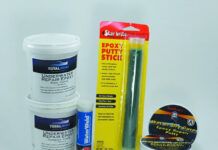
Although laminating epoxies can tolerate some moisture, we know that excessive moisture can prevent a good cure. So how can we manage an emergency...

Spring Check: Are Your Onboard Alarms Actually Working?
The sailing season is here again and everyone is doing their spring checks. Something that is often overlooked are the alarms that may one...
Boatyard Chemical Wisdom
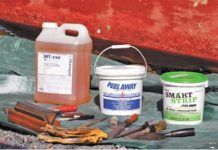
With all of the products out there claiming to be green or non-toxic, surely there must also be villains that are now best avoided. In just a century weve begun to make a fine mess of the world that we need to live in for the next few million years. Yet we are making progress, and finding less hazardous replacements is a part of the answer.
Short Scope Anchor Test
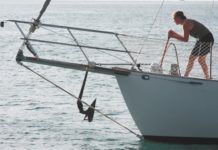
In the process of our ongoing investigation on the effect of time and wind gusts on anchor setting and holding capacity, we performed limited testing at short scope and couldnt help but notice that holding capacity at short scope varied greatly. When recovering the test anchors, some anchors would lift out of the bottom while we were pulling the dinghy over to them, while others required heroic efforts even when the rode was nearly vertical.
Safety Gear: The Bare Essentials
Noted seamanship authority John Rousmaniere offers a problem-focused approach to determining and selecting basic but essential safety equipment for the coastal cruising vessel.
Rudder Failure on the Salish Sea: Lessons From a Close Call
All sailors start somewhere. As a teen I eagerly absorbed National Geographic stories in the late 60s of young Robin Lee Graham sailing singlehanded...
Setting an Anchor in a Small Boat
In our ongoing study of ways to compare, and hopefully improve the way our anchors set, weve learned that it takes time and slow, delayed setting to make best advantage of very soft mud. However, firm sand and weeds can have the opposite character-making it hard for the anchor to penetrate.
Engineless and Adrift in Panama: How Seamanship Saved Atlas IV
“Is everything okay? Your EPIRB was set off.”
It’s a call no sailor wants to receive.
For Josh Verstoep and Sierra Grant, that call set off...
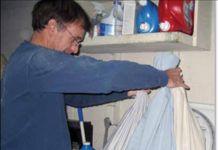
What’s the Best Way to Clean Marine Rope?
Every spring, there are numerous online forums discussing the best rope-cleaning methods. Practical Sailors interviews with technical representatives from major rope makers Bluewater Ropes, New England Ropes, Samson Cordage, and Yale Cordage yielded uniformly conservative guidance on how to get the grit out of old lines without destroying the rope's integrity. Testers also took to the laundry room to determine the effects of detergent, wash cycles, acids, bases and solvents, fabric softeners, power washing, bleach, hot water, and heat on rope strength and stretch.

The Fog of Chartplotter Complacency
Cruising the remote west coast of Vancouver Island is the dream of many Pacific Northwest sailors. The journey includes the 80-mile passage from Race...
Latest Logbook

Practical Sailor Logbook – September 2026
In September we tour the Hans Christian 48T — the offshore cruiser many sailors call the holy grail — walk the custom Antigua 60...

Video: The BEST Sailboat You Can Buy for $35,000 – Catalina...
If you’re searching for a mid-30-foot sailboat, affordable cruising sailboat, liveaboard sailboat, first sailboat, or a capable used sailboat for coastal cruising, the Catalina...



Latest Sailboat Reviews
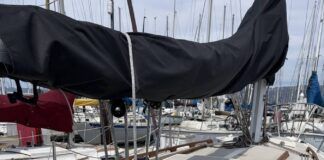
Cal 2-27 Used Boat Review
Our story begins in 1970, with the introduction of the Cal 29. Looking for something similar but a bit smaller, the company asked designer Bill Lapworth for a 27-footer, which at first was the Cal 27, a fin keel, spade rudder design with a convertible pop top; another incarnation of this basic hull was the T/2. But the concept of the 29 found its full expression in the Cal 2-27, which began production in 1975 and continued to 1977, after which it was again modified and called simply the Cal 27...again. Production of it ceased in 1986.