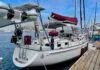

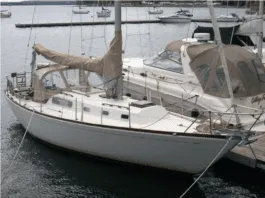
Com-Pac 35
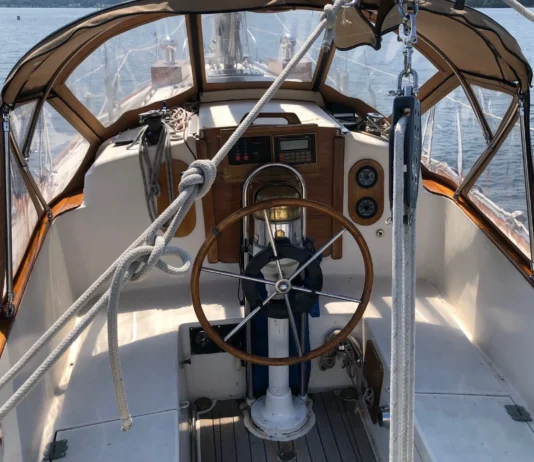
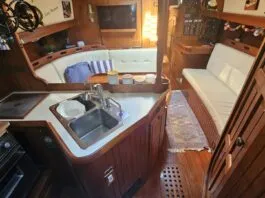
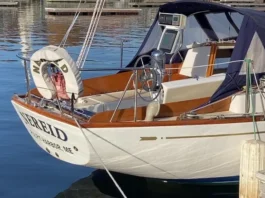
Com-Pac Yachts is a Florida builder with a particularly interesting history. The company was formed back in 1957 by W. L. "Hutch" Hutchins, Sr., an entrepreneurial tool-and-die maker who operated a metal-stamping and fabrication shop in St. Louis.
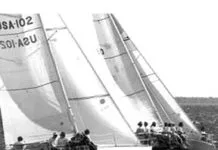
Express 34, Hobie 33, Olson 34
Three of the ‘best from the west,’ these performance sloops have been out of production for 15 years but are still hot because they’re fast and built well enough for blue-water sailing.
Freedom 35
Production of this Dave Pedrick design started in 1993 and continues today. An optional package for traditional headsails is a departure from Freedom’s self-tending legacy.

Wauquiez Pretorien 35
This well-made French cruiser has a fairly contemporary underbody and is strong enough to venture offshore. Finding one is the problem.
Hunter 320
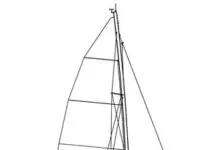
A good looking mid-size cruiser that beginners will find comfortable and forgiving.
Hunter 310
This innovative family boat typifies Hunter’s design philosophy with its B&R rig, radar arch, circular cockpit and good value, but owners cite numerous niggling problems.
J/32
Alan Johnstone’s first design for J Boats is a roomy performance cruiser that suffers only from a lack of organized stowage.
Freedom 32
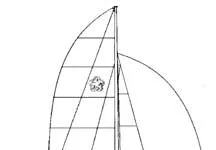
An easy-to-sail sloop, this Freedom 32 with a fair turn of speed, beamy accommodations and surprising offshore capability.
Ericson 32
A look at both the 1969 and 1985 designs by Bruce King finds more to like about the later model boat.
Tartan 34
More than 500 Tartan 34s were built between 1968 and 1978. By 1978 the CCA rule was long gone, PHRF racing was beginning to surge, and the MHS (now IMS) was in its infancy. The Tartan 34 had passed from a racer/cruiser to a cruiser, not because the boat had changed, but because sailboat racing had changed. The Tartan 34 was succeeded by the larger, more modern Tartan 37, a boat of exactly the same concept.
Latest Logbook

Practical Sailor Logbook – September 2026
This month we tour the Hans Christian 48T — the offshore cruiser many sailors call the holy grail — walk the custom Antigua 60...
Video: Morgan 44 Review – The Catalina Cruiser Everyone Forgot
The 1989 Morgan 44 is a big center-cockpit cruising sailboat with Catalina DNA—but it may be one of the most overlooked boats of its...

Latest Sailboat Reviews
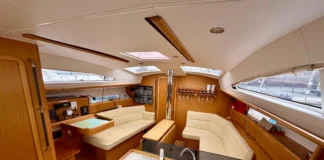
Jeanneau Sun Odyssey 42 DS Used Boat Review
This boat is dangerous for one simple reason—it looks like the answer. It’s big enough, pretty enough, modern enough, and suddenly, somehow, almost affordable...