
Best CARB-Compliant Gas Cans: SureCan vs. Scepter
Everyone hated the first generation of CARB gas cans. While they were intended to reduce volatile emissions by recovering vapors and reducing spills, they...
How to Charge Your LFP Battery the Right Way
If you are thinking of managing a conversion of your own existing, all lead acid system over to one with a Lithium iron phosphate...
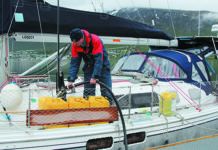
Defeating Bacteria in Your Diesel Fuel
The crud that is clogging my filters are microrganisms, primitive creatures that live in water and feed on oil, informally called “HUM-bugs.” The HUM stands for Hydrocarbon Utilizing Microorganisms.
There are many kinds of HUM-bugs—bacteria and fungus (mold, yeast, algae, etc.). Some need oxygen, some don't. Many are airborne. Some thrive best in freshwater, some in salt. They all create thick slime, which helps them stick to surfaces and protect themselves from attack. It's unlikely that you can buy diesel fuel without getting some.
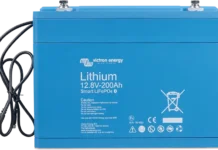
LFP vs. Lead Acid: Eight Things Every Sailor Must Know Before Switching
Marketing literature does a good job of promoting the primary advantages of lithium iron phosphate batteries (LFP or LiFePo4), such as life expectancy, weight,...
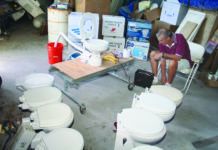
Marine Toilet Maintenance Tips
Early in the sailing season, the things we overlooked during winter storage can come back to haunt us. And with regard to our boat's...
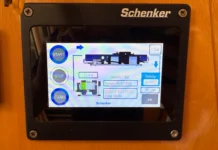
Energy Recovery Watermakers: Running a Watermaker on Solar and Batteries
Let's dig into the truth to the 75-80% power reduction claims for Energy Recovery Watermakers, review some comparison data, chat with the inventors, and...

Combatting Onboard Toilet Odors
After my experience last weekend while hunting down odors on our project boat, the 1971 S&S-designed Yankee 30 Opal, I thought I’d revisit some...
Marine Diesel Repower Part 3: Sea Trial
This is the last of a three-part series describing the planning and installation of an inboard diesel engine in my previously engine-free Cape Dory...
Diesel Repower From Scratch Part II
This is Part II of a three-part series detailing the installation of a complete inboard engine system into our highly modified Cape Dory 36...
Diesel Repower From Scratch: Part 1
This is a three-part series detailing the installation of an inboard diesel engine into my modified Cape Dory 36 Far Reach. I rebuilt Far...
Latest Logbook

Practical Sailor Logbook – September 2026
In September we tour the Hans Christian 48T — the offshore cruiser many sailors call the holy grail — walk the custom Antigua 60...

Video: The BEST Sailboat You Can Buy for $35,000 – Catalina...
If you’re searching for a mid-30-foot sailboat, affordable cruising sailboat, liveaboard sailboat, first sailboat, or a capable used sailboat for coastal cruising, the Catalina...



Latest Sailboat Reviews
Learning by Doing on a $5,000 Catalina 30 Mk II
When Davis’s mother started talking about wanting to do something “big” for retirement, Davis and Gloria half-jokingly threw out an idea that seemed suitably...