


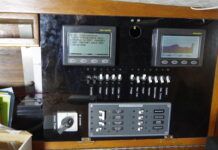
Budget Nav: Build a Fault-Tolerant Electronic Navigation System for Under $3,000
When I started sailing, navigation gear consisted of a paper chart, a few drawing instruments and a compass. Instruments usually consisted of a single...
Do-It-Yourself Fuel Tank Cleaning
Depending on the size of your fuel tanks, having a professional clean your tank and dispose of the dirty fuel can cost more than $1,000. But for the careful, competent do-it-yourselfer there is another option. For those sailors whose tanks have reached the contamination point-of-no-return, heres a helpful article on DIY tank cleaning that accompanied our July 2009 test of diesel biocides.
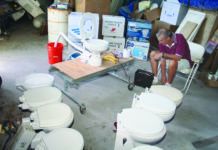
Marine Toilet Maintenance Tips
Early in the sailing season, the things we overlooked during winter storage can come back to haunt us. And with regard to our boat's...
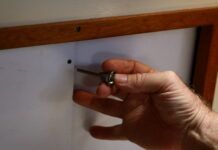
Cabinet Hardware That Holds When It Counts
One of the aspects of safety on a voyaging sailboat that I am most concerned about is that objects stay stowed where they're supposed...
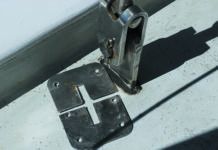
How to Inspect Your Sailboat’s Chainplates—and Why It Matters
The purpose of chainplates on a sailboat is to transfer the enormous loads from the standing rigging into the hull structure safely. Without chainplates,...

Recycling Your Derelict Boat in the Pacific Northwest
“Every once in a while people say we are crushing dreams,” explains Frank Gonzales of Gonzo Boat Recycling, “but we aren’t trying to crush...

Bottom Paint 30-Month Update
The Chesapeake Bay is known for brown water and rapid fouling, so any paint that can hang in there for 30 months is doing...
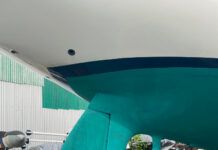
Rudder Restoration: Eight Lessons Learned
Does your rudder feel unsteady, with play in the tiller or wheel? Do you experience vibration at certain speeds or slapping or thudding sounds...
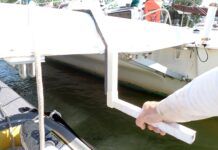
DIY Kayak Boarding Assist Arm
Exploring beaches, marshes, shorelines—and yes, small towns—is one of sailing’s greatest joys. The challenge is getting in and out of a dinghy or kayak,...
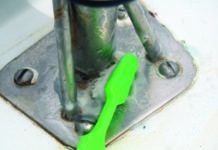
Simple Tips for Maintaining Stainless Steel
When applying a paste cleaner, a toothbrush is useful for buffing tight spots and working into the pores of welds; follow by buffing with a cotton cloth. A green 3M scrubby pad helps for removing more aggressive stains. Continued rusting in welded areas might indicate a developing failure, requiring replacement. Rinse thoroughly with fresh water and mild soap when done buffing.

Which Boats Are Easy to Sail? 7 Features That Matter
What makes a sailboat easy to sail? In this Practical Sailor video, we look at seven features that can make a sailboat easier, safer,...



Latest Sailboat Reviews

Gemini 31/3000 Used Boat Review
The funny thing about the Gemini is that it's an old design. Ken Shaw drew the lines in 1969. There's nothing particularly contemporary about it. However, by painting the cabin sides black (Euro styling), adding a swept-back fiberglass "pilothouse" and gradually adding length to the full-bodied hulls, the Gemini has always looked like she belonged with her contemporaries, whether that was the 1980s or 1990s.