





Winter Maintenance
For many of us, the falling of leaves marks the end of the sailing season. The boat is winterized for the season and our minds shift gears, away from sailing. As the new year comes, we catalog the winter projects we had intended to tackle. Bottom paint, of course. Fresh varnish may be needed inside and out. Deck fittings need re-bedding.

Clipper Ventures Cites Inaccuracies in Report
The following is an excerpt from the statement that Clipper Ventures released in response to UKs Marine Accident Investigation Branchs report on the death of sailor Simon Speirs. The full response can be found online at: https://bit.ly/36cpUb3
Hidden Impacts of Metal and Fuels Chemical Stew
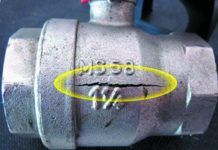
After years of testing fuel products and systems, PS began to suspect that mixed metals in the system could be causing harm.

Are Copper, Zinc, and Brass Mucking Up Our Fuel?
Something we have long noticed at PS is that gasoline and diesel control samples in our aging and corrosion studies never really age much. Only when the samples include metal samples do they generate gum and discolor. One explanation is refinery stability treatments, but the primary difference is that copper and zinc ions are powerful catalysts for polymerization. Shore-side fuel storage systems do not experience this type of break down because copper tubing, brass fittings and galvanized pipe are forbidden by code . The following requirements are quoted from standards groups and OEMs.

Flexible Tanks Require Special Protections
What about fuel bladders? Fuel bladders must meet a higher standard than water bladders, but many of the findings from our water bladder test apply to fuel as well (see Practical Sailor Drops, Drags, and Dissects Three Flexible Portable Water Tanks, PS October 2007).
Reviving Gelcoat & More
One of the most common questions we get from new owners of old boats is how to bring back new gelcoat shine. Weve undertaken countless product tests to find the best boat wax and polishes, the most effective waxing-and-polishing tools, and the products that can be used for a speedy touchup. If waxing is on your to-do list, be sure to check out the following articles.
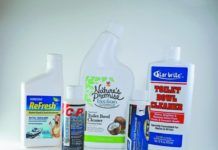
Clean Potty Overkill?
Its not sailing, but weve got to talk about it because its not fun when it goes wrong. The head. Weve reported on the best hoses, joker valves, toilet paper, and holding tank treatments. Recently readers have asked about cleaners that are safe, and sure enough, over the years weve run into evidence that improper cleaning can do real harm.
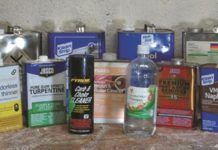
Four Solvents for Nearly Every Boat Job
As with cleaners (see One Bucket Cleaning Kit, May 2017) its easy to be over-specific with solvents. Pretty soon, we end up with a zillion cans in the paint locker. While we would probably pay extra for the magic vendor-specific blend for a topside paint job, wed not be so selective for every single small varnish, fiberglass, or similar job that comes up. For these everyday jobs, a few generics can do the trick.
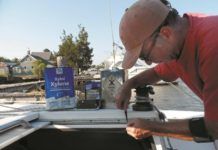
Making Sense of Solvents
Practical Sailor wades into the world of thinners and clean-up chemicals.
Online Help for Autumn
Its getting to be that time of year, when many skippers haul out or head south. Fall also heralds the beginning of boat show season. Here are some PS articles from the online archives that will help you weather the changing of the seasons.
Latest Logbook

Practical Sailor Logbook – September 2026
This month we tour the Hans Christian 48T — the offshore cruiser many sailors call the holy grail — walk the custom Antigua 60...

Video: Morgan 44 Review – The Catalina Cruiser Everyone Forgot
The 1989 Morgan 44 is a big center-cockpit cruising sailboat with Catalina DNA—but it may be one of the most overlooked boats of its...



Latest Sailboat Reviews
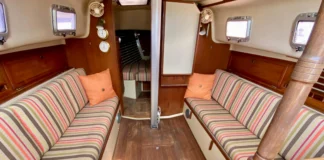
Bayfield 32 Used Boat Review
At first glance, the Bayfield 32 looks less like a fiberglass production boat from the 1980s and more like somebody shrank a traditional sailing...