


Simple Tips for Maintaining Stainless Steel
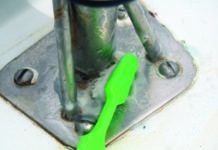
When applying a paste cleaner, a toothbrush is useful for buffing tight spots and working into the pores of welds; follow by buffing with a cotton cloth. A green 3M scrubby pad helps for removing more aggressive stains. Continued rusting in welded areas might indicate a developing failure, requiring replacement. Rinse thoroughly with fresh water and mild soap when done buffing.

Making the Dinghy Decision
Spring and fall on the Chesapeake Bay deliver cruising at its best. Last fall, we were ready to go, the crowds were gone, along...

Protecting Against Boatyard Fire
The 1666 London Fire. The 1871 Chicago Fire. The 1906 San Francisco Fire. Common factors shared by all of these disasters were inadequate spacing...
Phosphate Conversion Coatings: The DIY Rust Fix That Also Protects
In the process of rediscovering my machining hobby, I dug out my long-ignored collection of machinist tools from a great uncle who worked in...
Caulks Versus Mildew
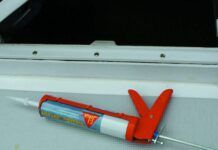
We expect a lot from sealants. They must withstand UV, salt and cleaning chemicals, bond to everything, flex to absorb mechanical and thermal strains, be strong but removable when equipment needs serviced, and stay white. Wow. In PS Marine Sealant Adhesion Tests (December 2016) we tested the shear strength of many caulks on many materials and delivered a few tentative recommendations. Three years later, it is time to follow-up with field observations.
Step-by-Step Deck Core Repair
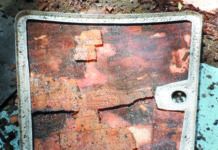
The factory skimped on resin when laying up the internal skin of the anchor locker hatch on our Corsair F-24 test boat. The goal...
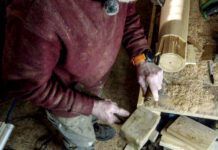
DIY Wooden Bowsprit
Bowsprits are a common feature on traditional boats as a way to extend the sail plan beyond the boat’s length over deck and create...
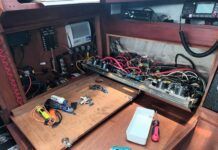
Seven Common Boat Problems You Can’t Ignore (and How to Fix Them)
As I approach twenty years of surveying boats, most issues that I encounter are repetitive. The root causes for these repeat problems usually involve...
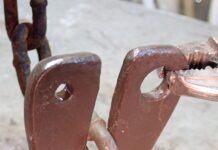
A Better Bridle Plate
In the midst of discussing bridles, snubbers, and rigging multiple anchors, ten years ago we introduced the idea of an improved bridle plate—see “Adjustable...
Build Your Own Dorade: Fresh Air Below, No Water Allowed
Dorade vents are the best solution to keep the cabin fresh in bad weather or offshore. They let air in but keep water out...
Latest Logbook

Practical Sailor Logbook – September 2026
This month we tour the Hans Christian 48T — the offshore cruiser many sailors call the holy grail — walk the custom Antigua 60...

Video: Morgan 44 Review – The Catalina Cruiser Everyone Forgot
The 1989 Morgan 44 is a big center-cockpit cruising sailboat with Catalina DNA—but it may be one of the most overlooked boats of its...



Latest Sailboat Reviews
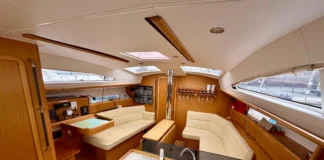
Jeanneau Sun Odyssey 42 DS Used Boat Review
This boat is dangerous for one simple reason—it looks like the answer. It’s big enough, pretty enough, modern enough, and suddenly, somehow, almost affordable...