

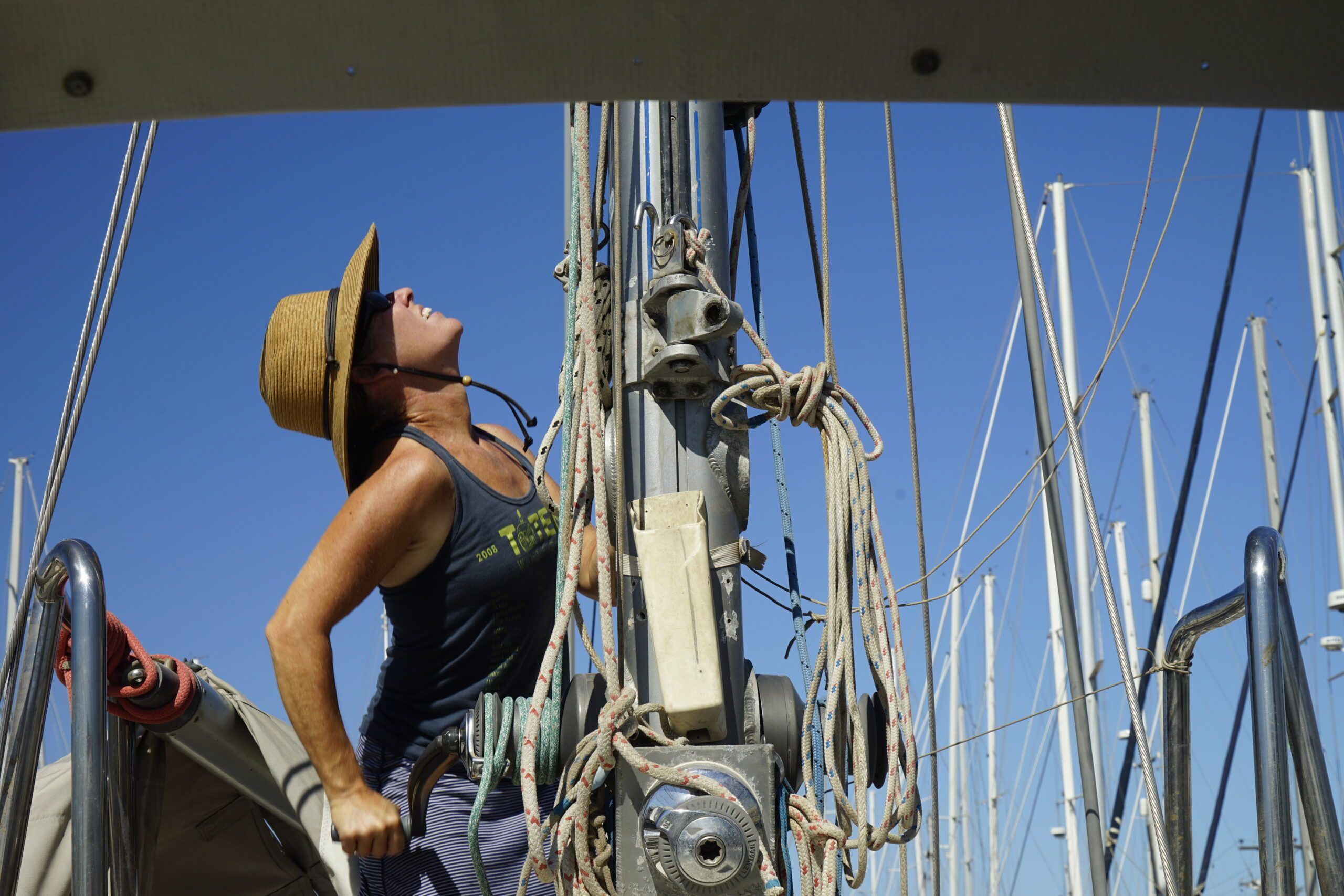
For many of us who spend time on the water, there’s an intuitive understanding that sailing impacts our mental well-being. Whether it’s the meditative quality of watching the telltales flutter in a perfect trim, or the pure exhilaration of surfing down waves in heavy weather, sailing affects our minds as much as it challenges our bodies. But what do experts say about this relationship, and how can we practically harness sailing’s benefits while managing its mental challenges?
The Healing Power of Blue Space
Dr Mathew White, an environmental psychologist at the University of Exeter, UK, has spent years studying what he calls “blue space”—environments dominated by water. His research, published in Nature (2023), suggests that people living near coastlines report better mental health and lower stress levels than those inland. “There’s something about water that draws and holds our attention without requiring effort,” Mat explains. “It’s what we call ‘soft fascination’—a state that allows our brains to rest and recover from cognitive fatigue.”
Mindfulness Under Sail
Jennifer Harkness knows first-hand about these profound benefits on her mental well-being. As an experienced sailor and trained mental health counselor specializing in anxiety and trauma, she puts the benefits down to two key mechanisms: grounding and flow state. As Jenn says, sailing connects mind and body in the present moment—you must tune into physical sensations like “the breeze on your cheeks and the heel of the boat.” This somatic awareness provides a welcome counterbalance to our typically “disembodied world where we’re very much all in our heads.” Sailors can also enter a flow state where “everything else drops away” and hours pass unnoticed.
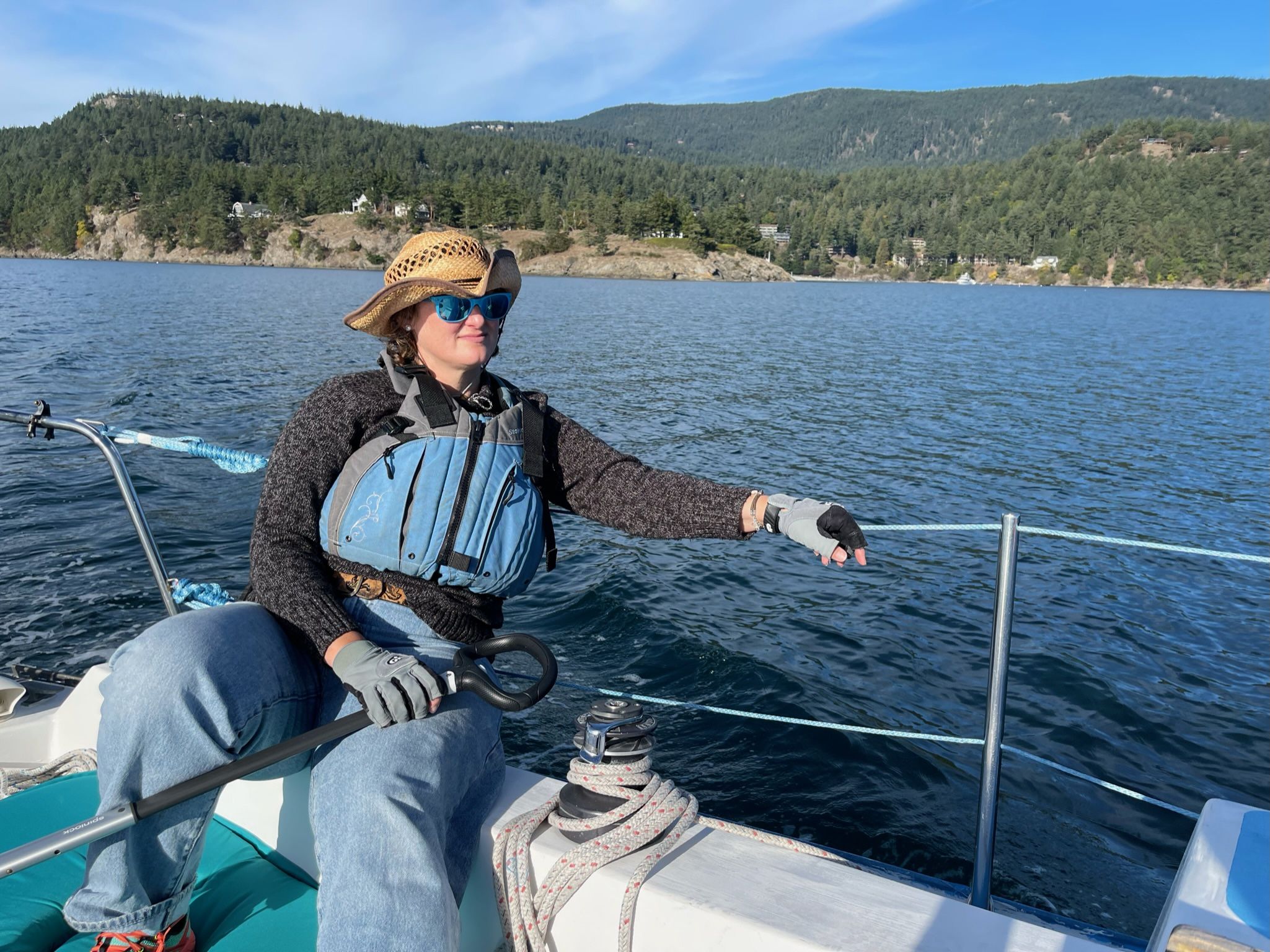
Interestingly, even challenging conditions can boost our mental health, though in different ways. Jenn explains that living with anxiety and OCD and sailing in difficult situations actually helped regulate her nervous system: “When I’m on the water and I’m literally surviving, it actually gives that part of my brain an outlet.” However, she emphasizes that no one knows how they’ll respond in crisis until they’re there—even experienced sailors can freeze up. The key is preparation: practicing maneuvers in controlled conditions, running through scenarios mentally, and maintaining clear communication protocols. As she notes, “When you visualize something, your body responds like you’re there.”
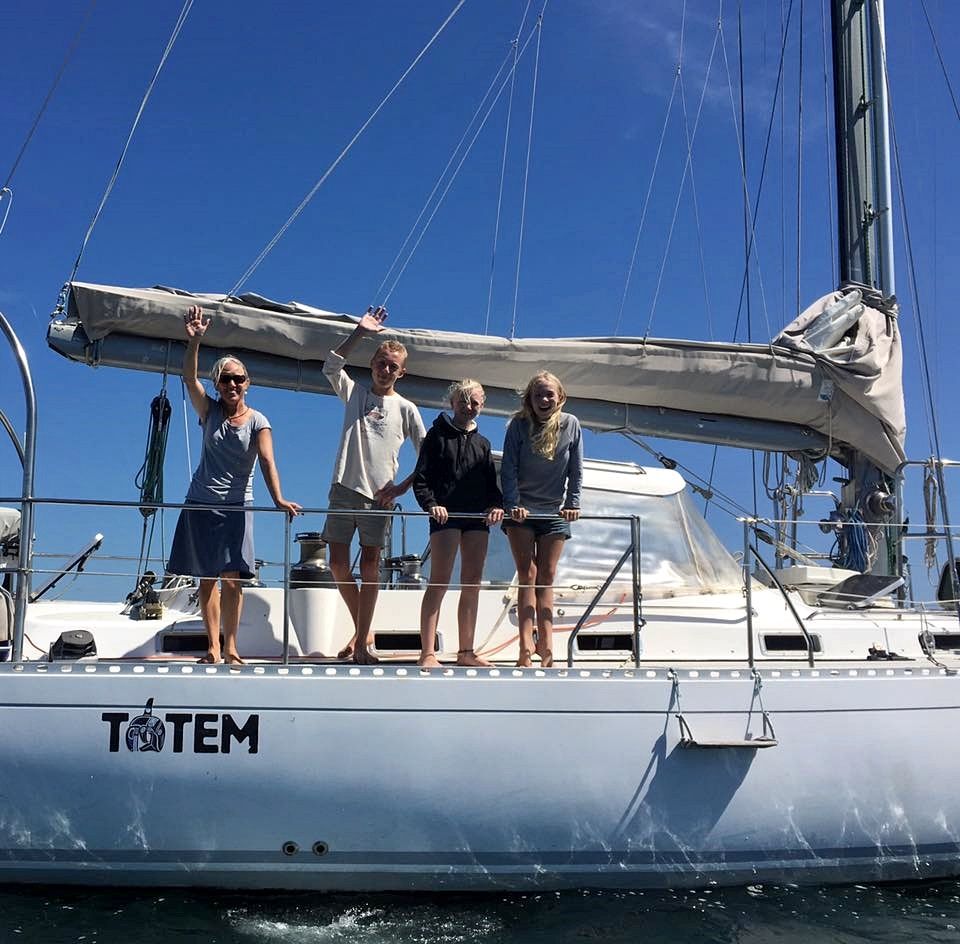
Behan Gifford, cruising coach at Sailing Totem agrees that the benefits of sailing are profound and multifaceted, particularly for long-term cruisers. She emphasizes how it provides valuable perspective, helping people step back from daily concerns that may feel important but aren’t crucial in life’s bigger picture: “It’s marvelous for giving us perspective, for pulling us out of the wheel.” The lifestyle often leads to improved mental well-being through increased connection with the natural world, greater physical activity, and a simpler way of living. “I’m certain I am a much, much happier human being,” says Behan, attributing this to “a lifestyle that’s more minimalist, because we just don’t need much.”
The Dark Side of Deep Water
However, it would be disingenuous to paint sailing as purely beneficial for mental health. Long-distance sailors, in particular, face unique psychological challenges. Extended periods at sea can trigger anxiety, depression, and in some cases, serious mental health crises.
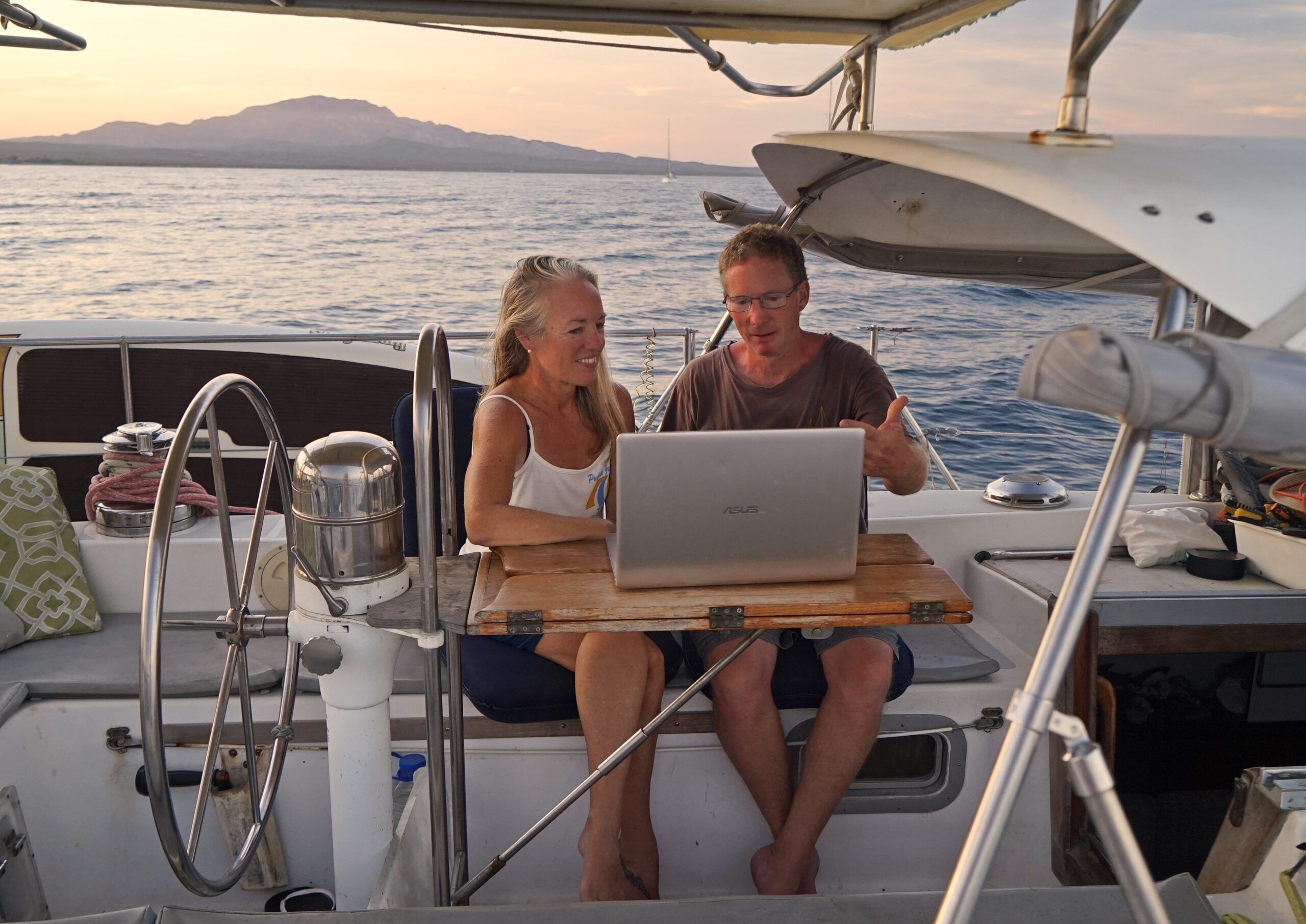
“Generalized anxiety is probably the biggest factor I see with my clients,” Behan explains. “For some it’s imagining what feels like endless deep water underneath and being scared by that, or what lurks in it. More commonly it’s anxiety because of fear of the unknown that might happen—something breaking they can’t fix, hitting a container/whale/UFO at sea— that disables or sinks the boat. They either have imposter’s syndrome about what they are capable of, or they actually aren’t very experienced yet at all and that’s scary. Throw sleep deprivation in the mix and it’s rougher, but it’s rough before that, too. And when you are the one on the boat who is supposed to be the fixer of all things, with a family relying upon you, that can heighten it even further.”
The case of sailor Thomas Tangvald could be speculated as being a case of psychological challenges gone wrong. The Boy Who Fell to Shore, a biography by Charles J. Doane about Thomas’s strange life and mysterious disappearance, says there is no clear answer to what happened to Thomas when he sailed out of Cayenne on 4 March 2014. However, one possible explanation is that his unstable mental state led to the worst possible outcome. He was never seen again.
Managing the Challenges
It is clear that sailing can present significant mental health challenges, particularly around anxiety and emergency responses. Behan shares a powerful example of discovering her own panic response during a frightening incident with an out-of-control powerboat: “I realized that from that experience that I had to anticipate my reactions and try to respond differently, both for the bigger picture of my family’s safety, but also for the fact that it’s even scarier for the kids if they see me being scared.” The experience highlighted how crucial it is to understand one’s stress responses before encountering emergencies at sea.
The social dynamics of sailing present their own mental health challenges, particularly around interpersonal communication. Couples often struggle with conflict resolution in the confined space of a boat, while many women report feeling pressure in what remains a male-dominated sport. Jenn recommends the careful vetting of skippers and crew members, establishing clear communication protocols, and ensuring everyone feels comfortable speaking up about their concerns. Most importantly, she emphasizes that safety and enjoyment should always take priority over performance: “If somebody’s not comfortable, it’s not a fun day. And you go in.” This philosophy, combined with regular debriefing sessions to celebrate successes and learn from challenges, helps create a positive mental environment for all sailors.
So how do we maximize the benefits while minimizing the risks? Here are some practical strategies from the experts:
For Day Sailors and Weekend Warriors
- Use sailing as intentional stress relief. Pick your weather days and don’t force yourself out when conditions will create more anxiety than relaxation.
- Practice mindful sailing: Take moments to consciously notice your surroundings, the wind, and your boat’s response. The 5-4-3-2-1 technique can help to calm nerves by distracting the brain to focus on five things you can see, four things you can touch, three things you can hear, two things you can smell and one thing you can taste.
- Join a sailing community. Research shows that social connection amplifies the mental health benefits of any outdoor activity.
- Use meditation apps that work offline and focus on your breathing—slow, diaphragmatic breaths.
For Long-Distance Sailors
- Maintain sleep hygiene as a top priority. Create and stick to sleep schedules even when conditions are good.
- Plan communication strategies before departure. Phone calls and scheduled check-ins can be mental health lifelines.
- Consider couples therapy before departure if you know there are underlying concerns.
- Keep a journal as a way to process emotions and maintain perspective.
- Develop personal rituals. Whether it’s morning coffee in the cockpit or evening star-gazing, routines help anchor your mental state.
- Consider signing up for a mental health first aid training course. There are various organizations and associations that offer this type of training, recognizing that captains often become de facto counsellors for crew who are struggling mentally.
Looking Ahead
The relationship between sailing and mental health is becoming an increasingly important focus in maritime research. People are studying the therapeutic potential of sailing for veterans with PTSD, for example. The US Navy has recently launched a virtual clinical counselling service worldwide for personnel experiencing a variety of challenges and stressors, from marital issues to personal crises. And a recent study looking at the relationship between cognitive flexibility, sailing-based intervention and PTSD symptoms shows positive results. Organizations are popping up that offer sailing programmes specifically designed to support trauma survivors in their healing journeys.
Dr White suggests we’re only beginning to understand the full potential of sailing as a mental health tool: “What we’re finding is that the combination of blue space exposure, physical activity, skill mastery, and connection with nature creates a uniquely powerful environment for mental wellness.”
Finding Your Balance
For those of us who already love sailing, this research validates what we’ve long felt intuitively. The key is to approach sailing mindfully, recognizing both its benefits and challenges. Whether you’re a weekend warrior or an ocean crosser, understanding the mental dynamics at play can help you make the most of your time on the water.
Remember that like the sea itself, our mental state isn’t something we can fully control— but we can learn to work with it, respect its power, and find our balance amid the waves. As Behan says, “Going cruising is never a panacea… we all are still going to have our own individual responses to things.”
Note to readers: If you’re struggling with mental health issues, whether sailing-related or not, don’t hesitate to reach out to mental health professionals. The sailing community is increasingly open about mental health, and there’s no shame in seeking support.
For experienced crew member, Terri Smith, maintaining mental well-being while sailing means knowing when to stay and when to walk away. She’s learned these lessons the hard way—from enduring boats where dogs were allowed to “pee inside the cabin” to departing early from a vessel in Greece with failing systems. “I now do not get on boats that have pets,” she says. “Some challenges get met by putting some rules in place.” Terri emphasizes that leaving doesn’t require a dramatic reason. “It doesn’t have to be a safety thing. It just has to be ‘this is awful, and I don’t want this,’” she explains. “I don’t get these days back.” Her experience shows that protecting your mental health while sailing isn’t just about physical safety—it’s about knowing your limits and honoring them.
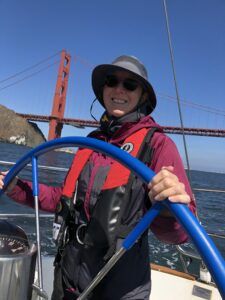
Her top tips for fellow crew include:








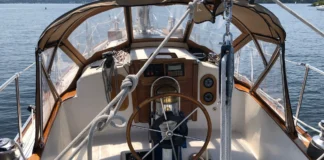




So many thoughtful comments here from Kathy, Behan, Terri and others regarding the emotional benefits of sailing. It’s that feeling that comes over you at the helm at the moment when the engine is shut off and the sails start to draw. I relate to this article strictly as a cruiser, and more often than not as a single hander. I imagine that racing devotees may have a different slant on the benefits and the deep side of being out on the “blue.” Terri’s point about due diligence being done before slipping the mooring lines is critical to a positive experience of sailing. Here I’m thinking about weather in the offing, the seaworthiness/readiness of the vessel, relative ability of the crew, local knowledge of the waters, etc. Regarding the offshore disappearance of Thomas Tangvald in 2014, it’s possible, and Charles Doane alludes to it, that the questionable seaworthiness of his sloop Oasis may have been the major contributing factor.
Yes, agreed. Thanks for your feedback and comments. Happy to read that it resonated with you. Warm wishes, Kathy