



















Combatting Weevils
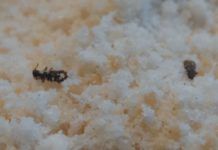
Most rice and grain sold in western countries is fumigated, generally with phosphine. However, this often kills only the live insects, leaving the eggs able to germinate. Surely there are other ways available to the cruisers to extend the life of rice and grains.

Krypton Antifouling Paint: Two-Year Follow Up
After two years of panel and on-boat testing on the mid-Chesapeake Bay, we settled on Total Boat Krypton, one of the top performing copper-free...

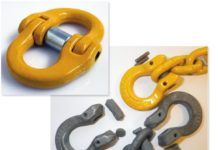
Repurposing Chain
When a rope is no longer fit for purpose, for example a halyard with a chafed spot, we either keep it for future might-needs...

Protecting Your Nose from UV
Two weeks ago I had a good sized lump of skin cancer taken off my nose. Fresh incisions must be carefully protected from UV,...
Simple Tips on Servicing Your Sailboat Winches
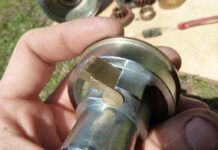
This week we're moving onto hardware, winches in particular. If you haven't serviced your winches in a couple years, or you notice squeaks, groans or slips as you grind, it is high time to tackle this project. We like to inspect our jib-sheet winches every year, but we sail our boats hard and they are exposed to some pretty harsh freeze and thaw cycles. Fortunately, winch servicing is a pretty easy, and for the wanna-be watchmaker who marvels at moving parts, it's fun—until you start dropping parts overboard. Thus, our first bit of advice: make sure you have the right winch servicing kit, including pawls and springs, before you start pulling your winches apart.

Determining a Fuel-efficient Engine RPM
My boat is a Hans Christian 41T, with a waterline length of 36 feet and a displacement of 38,000 pounds. The engine is a Volvo Penta TMD-30A rated at 90 horsepower. The prop is a Maxprop, three-blade, 20-inch prop with 12-inch pitch. A table illustrating speed at various RPMs shows that there is a linear increase of speed with RPM up to about 6 knots (2,600 RPM), but then the speed tapers off with increased RPM. Based on this, I presume that motoring at about 2,600 RPM is optimal fuel burn and speed. Is this correct?

DIY Tiller Lock and Emergency Tiller Pilot
Whether you own a Raymarine Tiller Pilot (ST1000 or ST2000) or the Simrad Tillerpilot (TP10, TP22 or TP32), the day may come when this...

A J-Boat Drops In
The J-Boat Class, which vied for The America’s Cup in the 1930s, is considered the very pinnacle of competitive sailing. Yes, the new crop...

Sailboat Tech: What’s Worth it and What’s Not
While you may feel the pressure to constantly update your boat tech, its important to understand which features are worth opening your wallet for....

Five Best Ways to Keeps Your Stuff Dry
I love sailing and kayaking, and while some stuff is meant to get wet, sandwiches, cell phones and spare clothes would rather stay dry....

Why This $1M+ Sailboat Might Be The Best Bluewater Cruiser in...
The Bluewater 56 is one of the most misunderstood offshore cruisers in the sailing world — and today we’re diving deep into what makes...


Latest Sailboat Review

Rethinking Sailboat Structure
When it comes to describing a sailboats most valuable attribute, its surprising how varied opinions can be. Staying afloat should be our first priority, and although you seldom read or hear much about it at boat shows, the structural elements that hold a sailboat together are an all-important consideration.