



Marine Sealant Adhesion Tests
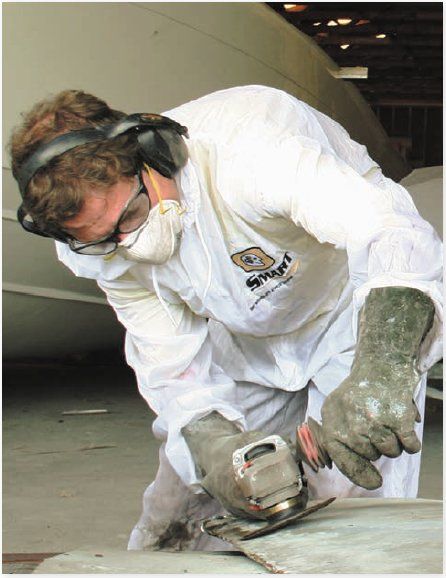
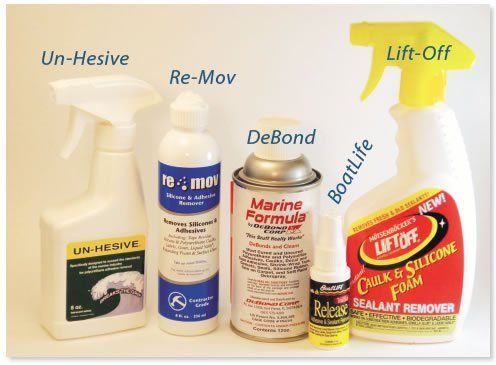
We recently launched a new evaluation of marine adhesives and sealants. There is no single caulk that works in all of these cases, so its impossible to declare a single Best Choice adhesive, but we decided to at least put some numbers on paper to guide you in your choices.
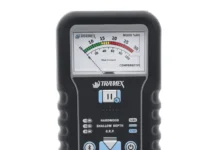
Moisture Meters: Can You Trust Them? We Test Five Models
You've made an offer on a used boat and have retained a marine surveyor to examine the vessel prior to completing the transaction. One...
Readers’ Choice: 14 More Marine Suppliers You Should Know About
You can’t maintain a boat without ordering a few marine supplies, so Practical Sailor readers offered (mostly) high praise and appreciation for our guide...
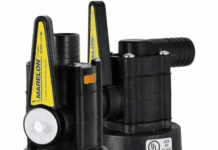
Marelon Through-Hulls: Why They’re Worth Reconsidering
Are Marelon through-hulls a good modern replacement for bronze or a failure waiting to happen? Common refrains are: “Okay above the waterline if you...
16 Independent Marine Suppliers You Should Know About
Online juggernaut Amazon, big-box behemoth Walmart, and West Marine—with more than 250 stores nationwide—are the biggest sellers of marine supplies in North America. But...
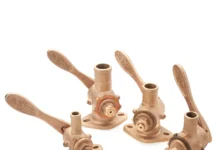
Keep Tapered Bronze Seacocks Working Smoothly
Are the tapered plug seacocks on your boat difficult or impossible to close? If you tighten the adjustment nut enough for them to stop weeping all over the inside of your boat, does it take two hands and a hammer to operate them? If so, it's time for an overhaul. Even if they worked well last season, a little care while the boat is hauled can save you a lot of grief in the future. As part of your boat's routine maintenance, tapered plug seacocks should be disassembled, cleaned, lubricated, and reassembled on a regular basis.
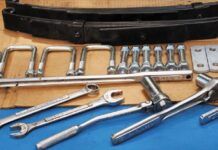
Freeing Seized Hardware
Simple ferrous-metal oxidation is a process in which iron, oxygen, and water chemically react, and it can cause rust to seemingly weld fasteners together. This unyielding grip often turns disassembly into much more of an ordeal, but with a few, regularly available products and a good set of wrenches, the big battle becomes a minor squabble.
How To Streamline Your Maintenance Program: A Beginner’s Guide
Owning and using a boat is all about maintenance. While maintenance is not fun—it can be filthy and arduous—it must be done if you...
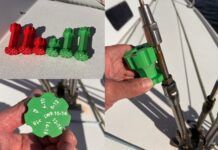
3D Printing for Boat Projects: A Beginner’s Guide
In the old Star Trek TV series Captain Kirk would press a button on a machine called a replicator and request banana cream pie,...
DIY Tiller Lock and Emergency Tiller Pilot
Whether you own a Raymarine Tiller Pilot (ST1000 or ST2000) or the Simrad Tillerpilot (TP10, TP22 or TP32), the day may come when this...

DEEP DIVE into the Lagoon 380 – The Worlds Best Selling...
Are you Catamaran Shopping? The Lagoon 380 is one of the best-selling cruising catamarans ever built, and for the first time, used models are...



Latest Sailboat Review
Cape Dory MS300 Used Boat Review
If you’ve ever looked at a sailboat and thought, “Yeah, but what if it didn’t suck when the wind dies?” welcome to the wonderful,...