








Steady at the Helm
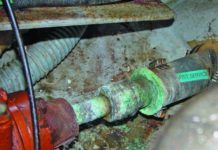
A sailboat’s steering system also plays a vital role in safety at sea. The failure of any key component can jeopardize boat handling and...
What Happens to Your Pumpout Waste?
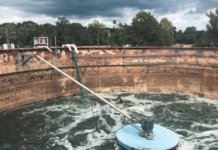
California’s decision to ban sale or use of several chemicals found in marine products (above) is of interest to PS readers. After a careful...
Hidden Impacts of Metal and Fuels Chemical Stew
After years of testing fuel products and systems, PS began to suspect that mixed metals in the system could be causing harm.

Are Copper, Zinc, and Brass Mucking Up Our Fuel?
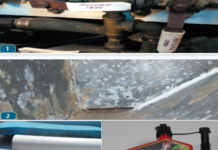
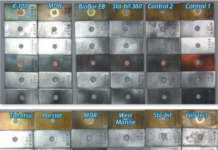
Something we have long noticed at PS is that gasoline and diesel control samples in our aging and corrosion studies never really age much. Only when the samples include metal samples do they generate gum and discolor. One explanation is refinery stability treatments, but the primary difference is that copper and zinc ions are powerful catalysts for polymerization. Shore-side fuel storage systems do not experience this type of break down because copper tubing, brass fittings and galvanized pipe are forbidden by code . The following requirements are quoted from standards groups and OEMs.
Flexible Tanks Require Special Protections
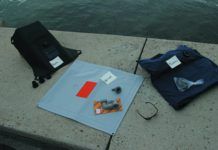
What about fuel bladders? Fuel bladders must meet a higher standard than water bladders, but many of the findings from our water bladder test apply to fuel as well (see Practical Sailor Drops, Drags, and Dissects Three Flexible Portable Water Tanks, PS October 2007).
Gasoline Additives in the E-15 Era
Ever since we adopted improved fuel management methods, we've enjoyed a decade of no carburetor maintenance-not on the twin 9.9 hp engines that ran our catamaran, not on the dinghy kicker, and not on our trimaran. Not on any of our chainsaw or blower motors. Given the quarterly ritual wed enjoyed before, its been wonderful.

The Best Solution to E-15? Stay Away From It
This year, President Trump rescinded the summer ban on E15 sales. Previously, E15 could not be sold between June 15th and September 1st because the extra ethanol increased vapor pressure and increased smog formation. As of this writing, distribution of E15 is limited outside of corn belt areas, and negotiations continue between the EPA, which opposes higher ethanol blend levels, and the agribusiness lobby.
Plastic Tank Report
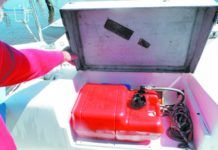
The leading cause of death of metal tanks, on land and at sea, is corrosion. Industry standards for fuel tank farms require internal inspections starting at 15 years, and as a licensed API tank inspector, our Tech Editor Drew Frye knows well why these interior inspections are required.
Can Diesel Damage Fuel Lines?
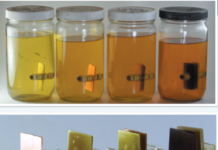
Given the tiny amount of fuel it takes to clear the jetty and hoist sail, our 50-gallon fuel supply can last, quite literally, for years. It certainly lasts through the winter, and all the while, we worry that sludge is growing.
Marine Fuel Filter Test
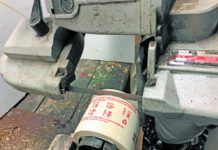
Diesel engines have evolved into incredibly reliable power sources. Change the oil, mind the charging system and batteries, and most importantly, always give them clean fuel. First there is diesel bug. Bacteria and fungus (not algae-that is incorrect nomenclature) can infect the tank, feeding on the diesel and producing volumes of tank-, line-, and filter-clogging biomass with the consistency of snot. It can be prevented by the regular use of biocides (see PS August 2013), but…

This “Bulletproof” Cruiser Has a Serious Weak Spot Caliber 40 LRC...
If you’re shopping for a serious cruising sailboat, the Caliber 40 LRC is often described as “bulletproof.” Heavy displacement, huge tankage, conservative construction, and...


Latest Sailboat Review

Union 36 Used Boat Review
While not the best boat for light-air sailing, the Union 36 is a good sailboat for the bluewater cruiser. It wont get you there fast, but it will get you there comfortably and in one piece. The boats teak decks and lavish use of interior wood is attractive but requires much upkeep and maintenance. A product of the Taiwan-U.S. boatbuilding industry, the Union 36 is a heavy-displacement, full-keel, cutter-rigged double-ender designed for ocean sailing. The Union 36 is nearly identical to several other boats built during the same period: the Hans Christian 36, Mariner Polaris 36, and the EO36. According to well-known naval architect Bob Perry, the Union 36 and its cousins are all based on the design of a 34-footer that Perry was commissioned to create back in the early 70s.