


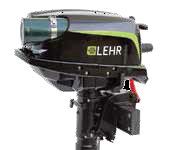
Propane-powered Propulsion
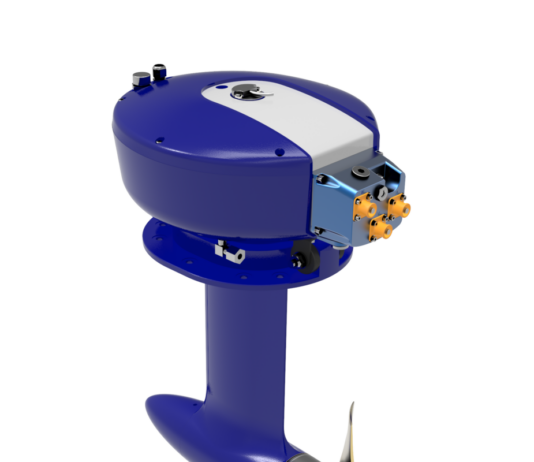
Capt. Bernardo Herzer has been converting small engines from conventional fuels to propane since he was a teenager. In 2012, he introduced his first propane outboards, 2.5 horsepower, 5-horsepower, and 9.9-horsepower models. Practical Sailor recently tested the 5-hp Lehr LP 5.0, a water-cooled four-stroke with an electric ignition-no priming or choke required. It operates at 4,000 to 4,500 rpm at wide open throttle, and the 49.6-pound, short-shaft model pushed our 120-pound test boat at 11-12 knots. The engine can be fueled using a 16.4-ounce propane twist-on bottle like those used with camping stoves or a 5-gallon, 20-pound remote propane tank.
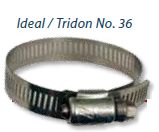
Stainless-steel Hose Clamps
Practical Sailor evaluated stainless-steel hose clamps from 11 manufacturers, including Shields, ABA, Murray, AWAB, Breeze, American Valve, Ideal/Tridon, Trident, Koehler, and Norton. The test clamps, both T-bolt and worm-drive designs, were all size 28 (for hose sizes 1 5/16 to 2 1/4 inches) and 32 (for hoses 1 1/2 to 2 1/4 inches). Bench tests included torque to compression and torque to failure tests, and a magnet test and long-term saltwater bath test to determine corrosion resistance. All clamps were closely examined for quality of construction and workmanship, and price was considered in final ratings.
EPA Mandate Sparks Fuel-vent Filter Test
Every day, as the temperature rises and falls, gases inside your fuel tank expand and contract. The emissions released during this diurnal breathing have raised concerns at the U.S. Environmental Protection Agency, and in July 2011, the agency mandated passive carbon canister filters on all installed gasoline-tank vent lines to collect fuel evaporation emissions. While older boats are not required to retrofit, we wondered how such a filter would affect fuel quality and engine performance-and whether carbon is the most effective filter media-so we launched tests using E10, gasoline, and diesel to find out.

Fuel-vent Filter Test Resources
Regulatory Information:EPA Marine Evaporative Emission Regulations (40 CFR Part 1060) EPA diurnal emissions testing protocol EPA baseline evaporative emission estimatesEPA memo...
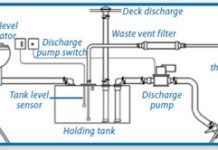
Holding Tank Vent Fittings
As I plumb the archives for holding tank replacement info, I find excellent related articles (PS, February 2012, March 2012, and April 2012); all remind me to build in good ventilation. However, I am unable to find guidance on the merits of ventilation fittings. These stand at the interface of tank gasses and other contents trying to get out, and the marine environment trying to get in. Issues such as shape, location, mounting, and materials concern me. Can you bring some fresh air to vent fitting merits?
EPA Needs to Revisit Fuel Vents
Well, the first year without subsidizing U.S. refiners and farmers for using corn to make ethanol-blended gasoline has passed, and the world didnt end. Gas prices havent soared, growing corn is still profitable, and most of the members of Congress who reversed their political stands are still in office. Im pretty certain that when historians and economists look back on the 30-year-old, $20-billion tax break for turning corn into fuel, it will be seen for what it is: failed politics masquerading as clean energy policy.
Biobor EB Still Tops in Additive Rematch
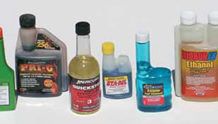
In the August 2012 issue, Practical Sailor reported on the effectiveness of eight common fuel additives in reducing salt-induced galvanic corrosion in E-10 fuel systems. Some makers suggested our test was too tough and too short, so we have repeated the test, for five products, reducing the amount of seawater from 0.03 percent to 0.015 percent (equivalent to four drops of water in a 1-quart tank) and increasing the exposure time to two months. Included…
A Boat Buyer’s Recourse
The AC pump passed inspection, but it never turned on again. Then there was the leaking diesel fuel. The previous owner had added see-through, 30-micron filters where the fuel exited the tank because the metal ones at the engine are hard to reach and inspect. I have since learned that this type of filter is sure to leak, as diesel will soften the plastic housing. I am told that the Coast Guard will hammer you if they find them installed.
A Boat Buyers Recourse
The AC pump passed inspection, but it never turned on again. Then there was the leaking diesel fuel. The previous owner had added see-through, 30-micron filters where the fuel exited the tank because the metal ones at the engine are hard to reach and inspect. I have since learned that this type of filter is sure to leak, as diesel will soften the plastic housing. I am told that the Coast Guard will hammer you if they find them installed.
E-10 Fuel Additives that Fight Corrosion
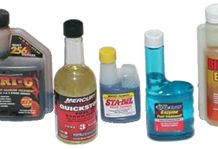
Practical Sailor’s original goal with this evaluation was to run a long-term test of fuel additives. Instead of adding heat or oxygen or excessive corrosive materials, we would substitute time. After six months of testing additives in E-10 gasoline, we found no measurable corrosion, so we elected to add a small amount of seawater and compare fuel samples after one month. The results were surprising to even our testers. The additives we tested were: Hammonds’ Biobor Ethanol Buster, CRC’s Phase Guard 4, Mercury Marine’s Quickstor, PRI-G, Sea Foam Engine Treatment, Sta-bil Ethanol, Star Tron Ethanol, and ValvTect Ethanol.

Small Boat, Big Keel Why This 27 Footer Works
What makes a small sailboat truly seaworthy? In this video, we take a deep dive into the Pacific Seacraft Orion 27, a rugged, long-keel...



Latest Sailboat Review
Island Packet Estero Used Boat Review
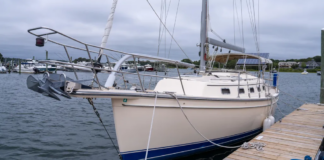
Florida-based Island Packet targets a relatively narrow niche, so the toughest competitors to its new boats are often older Island Packets. Introduced in 2010, the 36-foot, shoal-draft Estero is the company’s latest attempt to introduce a distinctive model that doesn’t stray too far from the company’s proven formula for success: moderate displacement, full-keel cruisers designed to be lived on, sailed far and in comfort, and endure the bumps, scrapes, and storms that cruising boats inevitably encounter. After sailing the Estero on Florida’s Sarasota Bay and inspecting its interior, construction, and systems, Practical Sailor testers noted that the shoal-water cruiser will appeal strongest to Island Packet fans who’ve been waiting for a shoal-draft, easy-to-sail boat that compares to the IP37 in terms of interior space. These strengths will be most apparent on intracoastal or riverine adventures like the Great Loop.