


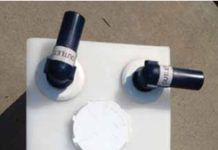
Marine Holding Tanks Go Head-to-Head
In our 2002 holding tank test, SeaLand emerged as the winner. The material of choice for holding tanks continues to be rotationally molded linear polyethylene, which is light in weight, doesn’t corrode, allows for seamless tank construction, is relatively inexpensive, and won’t allow odors to permeate. This new test compares a pre-2009 model SeaLand tank to a new holding tank from Trionic Corp. The holding tank test looked at the tanks’ construction materials, price, size, valves, inlets, outlets, leaks, inspection ports, vent size, warranty, and performance-based panel deflection. Preventing threaded fittings from leaking was the hardest part of the test.
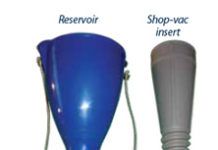
Sea Flush Eases Winter Woes
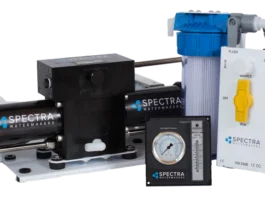
For those in colder climes, the only drag bigger than the end of the sailing season is the need to winterize engines, generators, and air-conditioning units in preparation for their long winter’s nap. Wandering the docks at the 2011 Annapolis Boat Show, we came across the Sea Flush, a new product designed to make the process relatively painless, eliminating the struggle to pull a cooling-system hose end or installing a “Y” valve in order to flush and winterize “raw water” cooling systems or the open side of a closed cooling system.

Engine Maintenance: Keeping Your Fuel Clean
No good ever comes of fouled diesel fuel. One of the best ways to keep fuel free of contamination issues like condensation buildup—and the bacteria growth it promotes—is fuel polishing. Fuel polishing in its most basic form is the act of circulating the diesel in your tank through a filter. The Parker FPM-050 diesel fuel polisher is designed to be plumbed into the fuel supply line between the existing primary fuel filter and the engine. Testers plumbed the FPM-050 to recycle fuel into a container for several days. Testers looked at flow rates, contamination, sludge, ease of installation, and price.
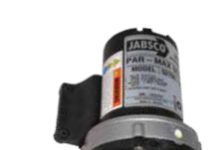
Deck Washdown Pumps for Boats
Practical Sailor evaluated washdown pumps capable of performing high-pressure cleanup chores on boats ranging in size from a weekender to a mid-size cruiser. We looked at eight pumps from four manufacturers: the C-60 Deck Wash Kit from Groco Marine; two pumps from Jabsco / ITT; two from Shurflo; and three from Johnson Pumps. With gallons-per-minute ratings ranging from 3.5 to 7 GPM, the pumps were evaluated on their free-flow and restricted outputs, outflow distance and pressure, power draw, price, warranty, design, and construction quality.

Installing Washdown Pumps
Most washdown pumps are plumbed to draw directly from the water you’re sailing in (fresh or salt), in which case, the amount of water available for use is unlimited. The only problem with using a raw-water system in salt water is the residue left behind—although a salty boat is often better than a nasty one. A second option is feeding the system from the boat’s freshwater tank. This will typically limit the amount of water you can use, but it does offer the advantage of reducing the effects of corrosion on metals via freshwater washdowns.
Additives for ULSD Fuels
I just read an editorial in another magazine stating that next year, only low-sulfur diesel will be sold at fuel docks. They went on to say that you can kiss your old diesel goodbye and re-power. I really don’t want to do that. Our 27-year-old M-30 Universal is running just fine. It seems to me that an additive should take the place as a lube that sulfur did for the engine. What is your opinion?

Practical Sailor’s 2011 Gear of the Year Picks
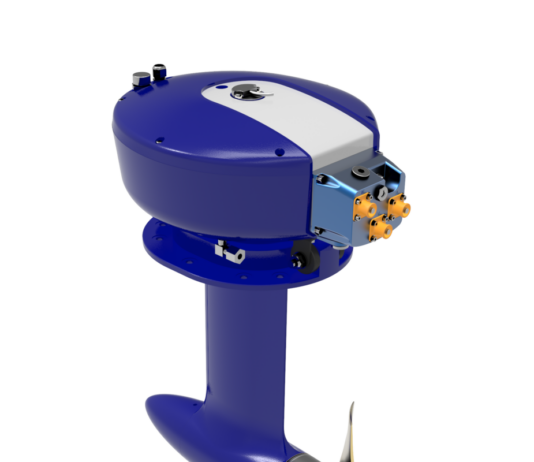
Each year, as the fall boat shows—and the deals that come with them—appear on the horizon, we pore over the numerous products we’ve reviewed in the previous 12 months to select the cream of the crop for our Editor’s Choice awards. We hope the list will help readers better navigate any boat-show or end-of-season shopping. This year, we picked from the Best Choice products evaluated in the September 2010 through August 2011 issues. The 2011 GOTY roster includes an electric outboard, some stout bullet blocks, electric marine toilets, bilge pumps, chafe gear, and marine maintenance products like bottom paint.
Marine Systems Standouts
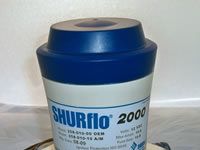
Practical Sailor spent much of the last 12 months testing marine-systems products—flushing toilets loaded with faux poo and cycling bilge pumps till they would pump no more. So it was no surprise to us that the bulk of our top gear picks for the year were systems related. PS tapped three marine heads—Raritan’s Marine Elegance, Planus’ Artic Standard, and Dometic/Sealand’s SailVac—and two Shurflo electric bilge pumps for the 2011 Gear of the Year (GOTY) list.
Bilge Setup Keeps Electrical Bits High and Dry
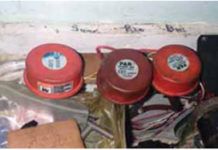
In your continuing review of bilge pumps and automatic switches, you may want to include a somewhat atypical approach that has worked very nicely on my 1964 Rhodes Reliant. It is based on the simple premise that any electrical components (pumps, wires, connectors) in the bilge are at risk of corrosion and galvanic action. Bilge electrical components can be unreliable and may cause serious damage. Hence, there should be no electrical components below the floorboards. Here’s how I did it.

Vacuum-flush Toilets for Sailboats Reduce Water Use Onboard
Following Practical Sailor’s February and March 2011 electric-flush marine toilet reviews, this month we take a look at three vacuum-flush heads well-suited for use onboard sailboats thanks to their water-saving technology. PS tested two electric vacuum-flush toilets from Dometic Corp. (Sealand) and a manual marine head from Blakes Lavac Taylors. Testers used a controlled bench test to compare performance, size, weight, price, style, features, and technology. They also reviewed installation ease, parts inventory, construction and ruggedness of materials, and customer service.
Lithium Batteries on Sailboats: The 3 Mistakes Everyone Makes
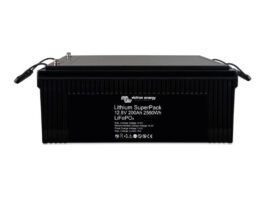
Lithium batteries are one of the most popular sailboat upgrades today—but they’re also one of the most misunderstood. In this Practical Sailor Saturday episode,...



Latest Sailboat Review
Island Packet Estero Used Boat Review
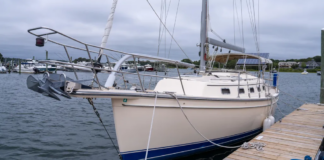
Florida-based Island Packet targets a relatively narrow niche, so the toughest competitors to its new boats are often older Island Packets. Introduced in 2010, the 36-foot, shoal-draft Estero is the company’s latest attempt to introduce a distinctive model that doesn’t stray too far from the company’s proven formula for success: moderate displacement, full-keel cruisers designed to be lived on, sailed far and in comfort, and endure the bumps, scrapes, and storms that cruising boats inevitably encounter. After sailing the Estero on Florida’s Sarasota Bay and inspecting its interior, construction, and systems, Practical Sailor testers noted that the shoal-water cruiser will appeal strongest to Island Packet fans who’ve been waiting for a shoal-draft, easy-to-sail boat that compares to the IP37 in terms of interior space. These strengths will be most apparent on intracoastal or riverine adventures like the Great Loop.