

Electric Pumps for Freshwater Systems
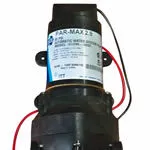
The trend toward “smart” freshwater pumps has expanded into the realm of “intelligent” pumps. Today, sailboat water pumps monitor and respond to variations in freshwater systems and even identify problems and alert users. Practical Sailor tested 11 electric water pumps for boats from five manufacturers: Shurflo; Jabsco / ITT; Johnson Pumps; Whale Pumps; and Groco. We looked at pump performance, amp-usage, ease of installation, durability, features, and cost.
Bench Test Simulates Onboard Plumbing Setup
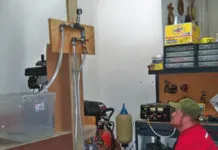
Our testing apparatus included a pressure gauge and shut-off valve rigged on an upright board that provided about a 6-foot lift—about the max for boats 40 feet or shorter. The rig has a 3/4-inch outlet with 3/4-inch hose leading down to a calibrated container; this permitted precisely timed runs to determine the actual gallons-per-minute flow. Pumps that offered multiple hose-diameter options were tested using the largest option.
Connections, Mounts, and Switches
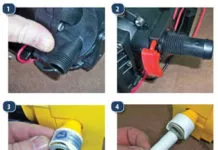
Most test pumps featured “quick connect” input and output ports. These are easier than the threaded style to use, but we’ve seen instances where a bad design caused them to fail easily. Be sure to closely examine pump connections when choosing a pump. Quick-connect fittings should be robust and operate smoothly.
Lithium-Ion Batteries for Powering Sailboats
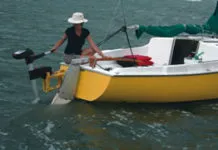
How far are we from Lithium-ion-powered boat engines? Practical Sailor is watching the developments of the lithium-ion battery in marine applications and hybrid electric-diesel engines for boats. In this article, we look at where the technology is currently and where the lithium-battery trend is heading. Mastervolt and Torqeedo are two of the major lithium-battery players in the recreational boating market. A third company, Valence Energy, is developing battery packs in both 12-volt and 19-volt configurations. PS also examines the differences in the lithium-ion chemistry, with a look at lithium-cobalt, lithium-cobalt nickel, lithium-iron phosphate, lithium-manganese, lithium-iron magnesium, or lithium-nickel-manganese-cobalt blends.
The Electric Alerion 33
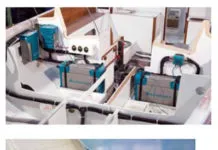
A request for an electric-powered Alerion Express 33 prompted Pearson Yachts and Mastervolt to undertake the construction of an electric-propulsion version of the boat. The heart of the system is a pair of 160-amp, 12-volt DC lithium-ion-phosphate batteries from Mastervolt. The system also includes two 60-amp Chargemasters chargers designed for maximum efficiency.
AGM vs. Lithium in the Real World
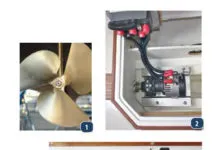
When we last touched on electric propulsion conversion in September 2008, PS noticed several small companies catering to the niche. Among them was Above the Waterline Marine in Santa Barbara, Calif. (www.abovethewaterline.net). Owned by James Lambden, the company specializes in alternative energy systems; it also builds and markets an electric propulsion system, made by subsidiary Propulsion Marine.

PS Advisor: Plumbing a Multi-pump Bilge
Your September 2010 issue had a great article on electric bilge pumps. My Pearson 424 ketch has a bilge sump that has to be 4 feet deep, which would be a lot of water to move if it ever started to fill. In the article, you recommended a mix of a small pump for “everyday duty” with a couple of large-capacity backup units, you didn’t mention how to plumb these. Would each pump have to…
Chandlery: April 2011
One of the more unsanitary shipboard practices is draining showers directly into the bilge, a setup that not only generates odors, but also introduces pump-clogging hair and soap scum into the bilge. A common aftermarket solution is mounting a gravity-fed sump beneath the shower pan, which collects the water and automatically pumps it overboard or to a gray-water tank, using a small submersible pump and float switch mounted inside.
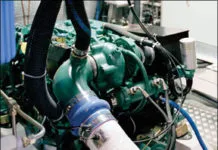
PS Advisor: Tangled Up in Turbochargers
I have noticed that several new sailboats are being offered with turbocharged diesel engines. Seems to me these pose two problems: excess fuel consumption and excess heat. Do you have an opinion or technical advice on their use practicality?
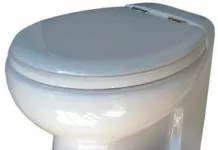
Electric-Flush Marine Toilets Part 2
Practical Sailor evaluated 14 electric marine toilets from seven manufacturers. This article is a follow-up to the February review of seven compact electric toilets; it focuses on the seven larger, heavier, more expensive test toilets, which are similar in size to standard household toilets. Part 2 of the toilet test report included heads from Dometic, Jabsco, Planus, Raritan, Thetford, and Tecma. These heads, equipped with more sophisticated flushing systems than those previously tested, are best suited to boats over 40 feet. Testers looked at the toilets' varying approaches to macerators, flow valves, and plumbing. The bench tests also evaluated noise levels during flushing, construction quality, ease of installation and maintenance, time to flush 1 gallon of water, and macerator performance.
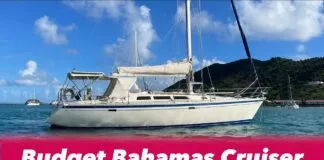
O’Day 40 – A Budget Cruiser for the Bahamas
The O’Day 40 (1986) is one of those cruising sailboats that somehow slipped through the cracks of sailing history. Built during the final years...


Latest Sailboat Review
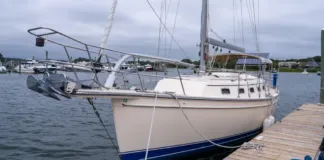
Island Packet Estero Used Boat Review
Florida-based Island Packet targets a relatively narrow niche, so the toughest competitors to its new boats are often older Island Packets. Introduced in 2010, the 36-foot, shoal-draft Estero is the company’s latest attempt to introduce a distinctive model that doesn’t stray too far from the company’s proven formula for success: moderate displacement, full-keel cruisers designed to be lived on, sailed far and in comfort, and endure the bumps, scrapes, and storms that cruising boats inevitably encounter. After sailing the Estero on Florida’s Sarasota Bay and inspecting its interior, construction, and systems, Practical Sailor testers noted that the shoal-water cruiser will appeal strongest to Island Packet fans who’ve been waiting for a shoal-draft, easy-to-sail boat that compares to the IP37 in terms of interior space. These strengths will be most apparent on intracoastal or riverine adventures like the Great Loop.