



Testing Sailing Knots that Really Grip
The widespread use of Dyneema and similar high-strength, high-tech lines presents a slippery problem for the knot-tying sailor, especially if they are tying a gripping hitch. A gripping hitch is the knot you would use to tie one line to another (or itself) when you don't want the line to slip. Here's a look at some of the gripping hitches that we've tested for holding ability and ease of tying.
Conquering (or Coexisting with) Waterline Stains
Summer is here, and our routine maintenance chores now require some serious elbow grease. Our first impulse is to go for the super-strength acids that will take care of the hard growth as well as the stains. But there are kinder, gentler options, if you have the willpower and the patience.
Reframing Our Views on the Auto-inflate PFD
In the July 2019 issue of Practical Sailor we dive again into the world of inflatable PFD/harnesses. The report, written by marine safety expert Ralph Naranjo, highlights common mistakes mariners make with regards to proper care and use of various inflatable PFDs on the market. The crux of his report, however, is the potentially dangerous shift in perceptions among offshore sailors with regards to this equipment.
Preparing a Marina-Bound Boat for a Tropical Storm
With the official start of the North Atlantic hurricane season starting earlier this week, boat owners in vulnerable coastal areas should already have a hurricane response plan ready. Practical Sailor has covered storm preparation on several occasions. Here is some of the guidance we can offer.
Inflatable PFDs: Know the Ins and Outs
Some sad news this past weekend from the 2018 Chicago-Mackinac race prompted me to update, and repost this advisory from 2015 regarding the care and use of personal flotation devices. It's a relatively long post, but if you depend on inflatable PFD, the text and accompanying links are worth reviewing.

Sailing Helmets and the Risk of Head Injury
Should sailors wear helmets? As we gain greater awareness of the risks of long-term brain injury linked to concussions in various sports, it is only natural that sailors would reexamine the risks associated with sailing. After all, one of the first things we learn upon boarding a sailboat is to avoid a boom-strike to the head.

Installing and Maintaining A Watermaker
Installing a watermaker can be a serious project, and its not to be taken lightly. First, you need to find a suitable location for the system. For those with limited mounting space, consider a modular watermaker.
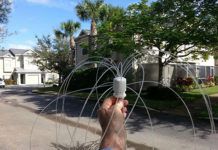
Do-It-Yourself Bird Deterrents
As we found in our last major test of bird deterrents, there is no perfect solution for every bird problem, but weve come across one that seems to work well in the marina in Florida where we keep one of our test boats, an Endeavour 42 Lost Boyz owned by boat builder Robert Helmick. The main perpetrators in this particular marina are starlings that feed on the berries near the marina then apparently find a comfortable roost to digest (and deposit the remains of) their meal. Sailboat masts seem to be the preferred perch, as the dockmaster reports that he rarely sees them atop powerboats.

Choosing a Bottom Paint
Before plunking down $100 or more a gallon for bottom paint, consider where your priorities lie.
A Diaper Cream Cure for Barnacles?
Some of my favorite PS tests are those that pit ordinary dime-store products against gold-plated marine-grade stuff. This months propellor antifouling test called to mind an investigation into the antifouling properties of diaper cream that took place many moons ago. Diaper cream contains zinc oxide, a known biocide, but it does not regulate the release of biocides the way bottom paint does. Nevertheless, youll find many bulletin-board posts that recommend diaper cream for depth-sounder transducers, props, and dinghies. My take-away from our 1995 report is that the product worked (sort of) for a limited period, but it is an impractical solution for hulls . . . better to let you read and decide for yourself.

Morgan 382 – The $30K Boat Nobody Talks About
The Morgan 382 might be one of the most overlooked cruising sailboats ever built. Designed by legendary naval architect Ted Brewer and produced between...


Latest Sailboat Review
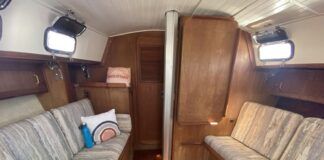
Caliber 33 Used Boat Review
The Caliber is a peculiar blend of tradition and innovation, of security and performance, of practicality and pizzazz. All of the owners we heard from were "satisfied." One called the 33 his favorite boat over six decades of sailing.