

Freeing Seized Hardware
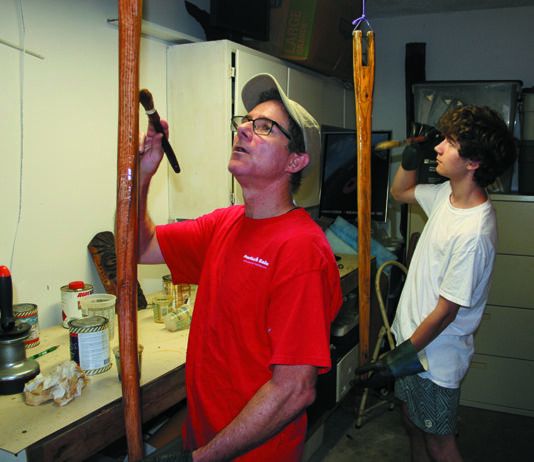
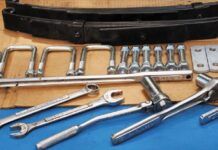
Simple ferrous-metal oxidation is a process in which iron, oxygen, and water chemically react, and it can cause rust to seemingly weld fasteners together. This unyielding grip often turns disassembly into much more of an ordeal, but with a few, regularly available products and a good set of wrenches, the big battle becomes a minor squabble.
Winter Sailing Tips for Diehards
For many seasonal sailors, the winterizing routine is already well underway. But there are more than a few diehard sailors in the mid-Atlantic regions, on the West Coast, and even in New England, who plan to spend all or part of the snowy season afloat. Some, we daresay, look forward to the quiet of winter. If youre toying with the idea of keeping your boat in the water during the winter, heres a short rundown on some of the more important steps to take.
Sailboat Stewardship Tips: How Not To Be “That Person”
Good boats outlive us, or at least outlive our interest in them. In time, we become the dreaded Previous Owner (PO). Will we make this...
DIY Winch Feeder
It was snowing and I needed a project. Ever since the article on cross sheeting, “Where Winches Dare Go,” I’ve been wanting to add...
How To Extend Your Canvas’ Lifespan
Protecting your canvas will extend its life as well as provide you and your crew protection from the sun and elements for many years....
How To Streamline Your Maintenance Program: A Beginner’s Guide
Owning and using a boat is all about maintenance. While maintenance is not fun—it can be filthy and arduous—it must be done if you...
Dirt-cheap Winter Insulation for Liveaboards
Insulation is a greater energy-saving expedient; if our heater or air conditioner is undersized, fixing drafts, shading or insulating windows, and insulating non-cored laminate are all ways to reduce the thermal load. For boaters, however, that is only half of the equation.

Lessons from a Harbor Master
I’ve been a member of my yacht club going on over 35 years now and spent 16 of those years as Harbor Master. Now,...
Krypton Antifouling Paint: Two-Year Follow Up
After two years of panel and on-boat testing on the mid-Chesapeake Bay, we settled on Total Boat Krypton, one of the top performing copper-free...
Repurposing Chain
When a rope is no longer fit for purpose, for example a halyard with a chafed spot, we either keep it for future might-needs...
Bahamas for $5000? The Watkins 27 foot Sailboat
Is the Watkins 27 the ultimate small cruising sailboat? In this video, we take a deep dive into the Watkins 27 — a classic...



Latest Sailboat Review

Tartan 30: An Affordable Classic
The early 1970s was the heyday of the Tartan 30' racer/cruiser. In all, no less than two dozen boats of a similar size and type were introduced in just three years, many of them to become highly successful among sailors eager for the performance and amenities of big boats at a modest price. Among the most noteworthy and enduring of the 30-footers from this era has been the Tartan 30.