



Testers Compare Swivels, Look for Pin Creep
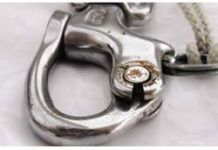
For this evaluation, each shackle was visually inspected, component parts were measured, and stainless-steel alloys were noted. During this initial inspection, we tested how easy each snap shackle could be closed with one hand; we also repeatedly measured how easily the un-clipping process could be executed using a simple tension spring-test on the piston-pin versions and by using a height scale on the Tylaska push-to-release latching model. We recognize the importance of pin security under load and felt that the reluctance of a shackle pin to be easily pulled under load was, in many cases, an attribute.
Stainless Steel: Advantages and Ailments
When it comes to stainless steel, nothing seems more baffling than the latest array of alloys that have migrated into the marine market. Not so long ago, stainless steel was referred to as 302, 304, and 316. These differing grades of stainless varied according to chrome and nickel content and the corrosion resistance they afforded.
Testing Top-Down Furlers
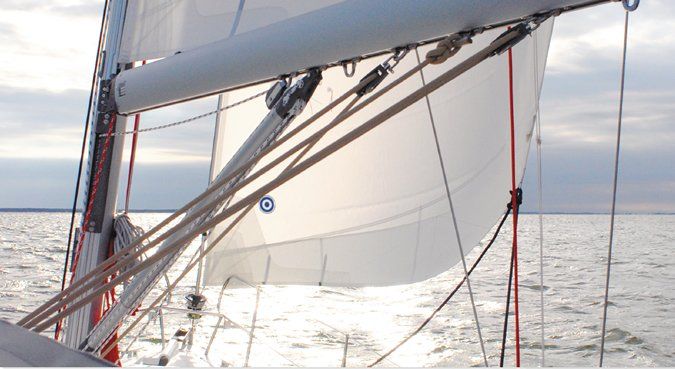
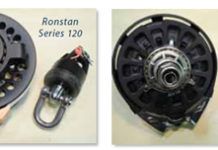
Top-down furlers have proven to be a legitimate means of taking the drama out of spinnaker setting and dousing, and they represent a new breed of hardware thats carefully designed and manufactured to be durable for the long haul. In Part I (PS, January 2014) of this two-part report, we introduced five top-down furlers, detailed how they work, and made a good case for their use. In this article, Part 2 of the series, well take a closer at the furlers and the results of on-the-water and bench tests. Spinnaker furling systems we tested were made by Colligo, Karver, Profurl, Ronstan, and Selden.

Reader Experiences with Top-down Furlers
Following the publication of Part 1 of this report, we heard from several readers about their experiences with top-down furlers. Here are a few of their comments.
Spinnaker Furlers
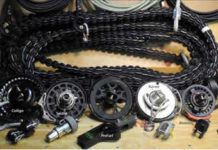
The first in a two-part series, this article takes a look at the latest furling systems for nylon and other lightweight, off-the-wind sails dubbed A-sails, gennakers, asymmetric spinnakers, and other appellations referring to light-air, curved-luff sails. We compare the basic features of five systems: the Colligo CN3s; Selden GX15; Karver KSF2; Profurl Spinex 2.5; and Ronstan 120. In part two of the feature, we will report the test results and final ratings.
Summer Sailing Gear
Summers warm breezes and lazy weekends have arrived, so PS testers have put together a lineup of cool toys and tools for the dog days. Tower Adventurer Inflatable Standup Paddleboard: Inflatable SUPs are sprouting up everywhere on the Internet; many boards are identical, made by different brands at the same factories in China. Quality varies. Generally, boards 6 inches or thicker offer better stiffness and stability, making them easier to ride.
DIY Trysail Track Retrofit
I am currently working with sailmaker Carol Hasse (www.porttownsendsails.com) on a new set of primary sails. She is the best at making cruising sails, and it is a luxury I am surrendering to. However, that is why I’m considering a DIY project for the trysail track. Any input on details such as proper track size, length, placement, and preferred mast fasteners and track backing (to combat corrosion) would be helpful.
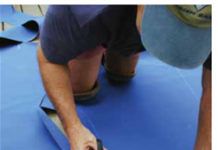
Functional Fabrics
In some ways, the good old days just weren’t that good. Just ask any old salt who has watched an expensive canvas dodger mildew, rot, and fall to pieces. When Sunbrella entered the market four decades ago, the strides forward were significant. When it comes to fabricating a long-term, waterproof fabric cover, it’s hard to beat the combination of vinyl and acrylic or vinyl and polyester. Practical Sailor compared Sunbrella, Sunbrella Plus, and WeatherMax in a long-term field test and some creative bench tests. Testers compared weight, sewability, breaking strength, water shedding, permeability, and price.
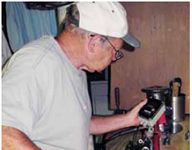
Pushing Marine Fabrics Beyond Their Limits
Two years ago, we sewed up our own dodger and assorted deck covers made from Sunbrella and WeatherMax fabrics and monitored how well the materials stood up to 24/7 weather exposure and the extreme climate flip-flops of the mid-Atlantic region. On a parallel track, we did some controlled—and creative—material testing restricted by tight budget constraints. For example, we lacked an Instron tension test machine to carry out a formal ASTN D5034 elongation and breaking strength test, so we did the next best thing: We made our own.
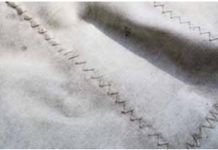
Caring for Marine Fabrics
To keep your Biminis, dodgers, and sail covers clean and in service for the long haul, regular maintenance is a must. Here are some best practices and care tips weve picked up over the years.
Morgan 382 – The $30K Boat Nobody Talks About
The Morgan 382 might be one of the most overlooked cruising sailboats ever built. Designed by legendary naval architect Ted Brewer and produced between...


Latest Sailboat Review

Jeanneau 55 Boat Review
This recent sailboat from Jeanneau may as well be a spaceship. They’ve taken all the time-honored designs of a monohull aft cockpit and turned...