






Safety At Sea Full Interview With Joe Cooper
Joe Cooper joins us for a full-length interview about safety at sea giving us advice he’s obtained from his decades of ocean sailing and racing including his experience in the America’s Cup, Bermuda 1-2 racing, and his teaching career. We discuss how to mentally prepare for passage-making on typical production-style boats including training seminars, the use of PFDs, jack lines, and crew overboard drills. Joe graces us with his knowledge of the sport and how to stay safe out there in the ocean.
Medical Emergency on a BVI Charter
Just another beautiful BVI day. The forecast was for 87 degrees and sunny and the weather Gods were in fine form, with a predictable...

What Your Boat and the Baltimore Super Container Ship May Have in Common
When the mega container ship Dali struck the Francis Scott Key Bridge at 1:28 am on Tuesday, March 26, the world saw a remote...
Check Your Shorepower System for Hidden Dangers
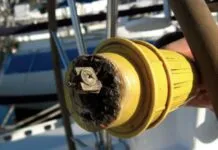
One of the often overlooked maintenance items in the pre-season rush to the water is the AC shorepower system. Over the years of surveying, Ive amassed a small collection of scary photos from past surveys showing the common examples of neglect to this critical system.

How Can I Keep My Kids Safe Onboard?
Safety is always a priority on the water. When you add the unpredictable nature of kids to the mix, the stakes are even higher....
Safer Sailing: Add Leg Loops to Your Harness
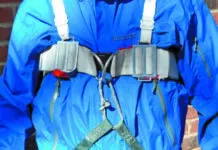
Recent fatalities involving racing sailors raised a long-simmering concern weve had regarding the harness and tether design, and the shortcomings of current design when used aboard boats that cruise at double-digit speeds. Although these harness and tethers might keep a sailor from going overboard, the impact loads transmitted via the harness and tether can exceed what the human body can endure (see Building a Custom Safety Tether, PS December 2017).
Rethinking MOB Prevention
Man overboard gear standards are behind the times because the sample size is tiny and the facts surrounding an accident are often clouded and disguised by difficult circumstances. But fixing this is pretty simple; piggyback on standards that have been developed for climbing and industry. The following are just some of the steps that a sailor can take to improve his chances of staying on board.

The Pros and Cons of Cockpit Foot Braces
The sensation that you are about to slide to leeward is familiar to most small-boat sailors. But that slip-sliding-away feeling isn’t reserved to small...

Identifying Fishing Vessels and Right of Way
One of the most common right-of-way situations that a sailing boat will encounter will involve fishing boats, so it is important to be aware...

Collision Avoidance Confusion
The Convention on the International Regulations for Preventing Collisions at Sea, 1972 (COLREGs) cover the rules of navigation and lights and shapes that sailors...
How Long Do Sails Last?
How long do sails actually last? Sailmakers often say cruising sails last around 10–15 years, but what happens when you discover a sail that’s...



Latest Sailboat Review

Jeanneau 55 Boat Review
This recent sailboat from Jeanneau may as well be a spaceship. They’ve taken all the time-honored designs of a monohull aft cockpit and turned...