




Solar Panels vs. Wind Generators
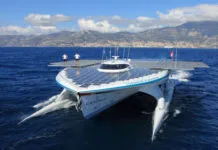
As the worlds largest solar-powered boat heads toward Miami for its U.S. debut and the start of a 16-city world tour, I was reminded of one of the most frequent questions I hear from Practical Sailor readers: "Which is best, solar panels or a wind generator?" The answer, like many things regarding cruising equipment, depends on where you cruise and the type of boat you own.

A Second Look at Anchor Shanks
In case you hadnt noticed, were bending anchors here at Practical Sailor. Look for Part 2 of our anchor shank-bending adventures in the upcoming May issue. Coincidentally, right when we were in the middle of bending anchor shanks, we received a 33-pound Mantus anchor for testing. The design is interesting in that it combines some attributes of a Rocna, Manson Supreme, and Wasi Bugel. The anchor has a folded fluke with a small, sharpened toe welded to the fluke. The anchor is shallowly concave but has a roll bar, sufficiently wider than the fluke.

PS Readers Divided Over America’s Cup Coverage
Early this year, my provocative blog article asking readers to help decide whether PS should dedicate some ink to the Americas Cup in San Francisco this summer generated an overwhelming response, and at this point, the yeas have only a slight edge over the nays.Almost all of those whod rather not see Cup coverage were emphatic: Please don't fill your great magazine with Americas Cup dribble. As a cruiser, I have absolutely no interest in it, wrote one reader.And most readers who encouraged PS to cover the event did so with reservation: If you pick your topic, the AC certainly has practical value. For example, when these boats break, how are they repaired? As more boats are made from exotic materials, which structures are found to be more durable, more flexible, more brittle, or less repairable after damage? In other words, "keep it real."

In Search of the Perfect Sailing Hat
Ever since October 2011, when the dermatologist announced that I had skin cancer at the age of 46, Ive been looking for good hats and other accessories to keep my face, in particular, out of the sun. Im a sailor, and Im not ready to change my life completely, but I do need to make a diligent effort to prevent this dangerous, but generally preventable and treatable form of skin cancer-squamous cell carcinoma-from becoming more serious. Ive been cancer-free for the past 18 months, but Ive now got a nice battle scar running down my right cheek, and I would prefer not to have any more.
A Boat Maintenance Schedule that Can’t Fail
Rule number one of any maintenance program is simple: Never trust your memory. A written maintenance log is essential. It can be as basic as a hand-written notebook or as sophisticated as a computer spreadsheet. There's even proprietary computer software for creating maintenance logs. Whether sophisticated or simple, the basic requirements of any maintenance log are the same: 1. Divide jobs into categories. 2. Define the task. 3. Determine the service interval. 4. Note specialized tools or materials required. 5. Inventory consumable materials. 6. Record the date the job is actually done.When carried out with regularity, these six steps can save you days that might have otherwise been wasted over the course of a single cruising season.
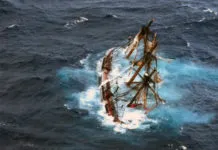
Should Crew Take Some Blame for Bounty Tragedy?
Author Kathryn Miles has written a gripping article on the tragic end of the Bounty, the replica of the original Bounty used in Hollywood movies that went down in Hurricane Sandy, claiming two lives, including the captain's. The article, which appeared in the March issue of Outside Magazine, offers a detailed, and even-handed account of the ships sinking. Miles suggests many causes for the ships foundering, but it seems obvious that the ship never should have sailed. So the question remains: why did it?

Should We Care About the America’s Cup?
Today, I received an email with the subject line, Americas Cup: Media Services Update - 1. According to the email, this was the first official notice to the media regarding the upcoming Americas Cup competition in San Francisco this summer. Im conflicted. The river-correction-ocean between Practical Sailor and the Cup is deep and wide. Apart from the gee-whiz technology behind 72-foot wing-sail cats ripping past the Golden Gate Bridge at 40 knots, is there anything in this for our readers? Is there?
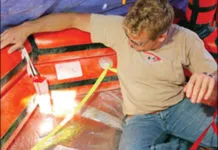
Choosing a Life Raft
The rescue early this week of Alain Delord, the French single-hander whose boat was dismasted and holed on Jan. 18 in the Southern Ocean, after he spent three days in a life raft offers a graphic reminder of the importance of choosing a raft that matches your voyage.In the age of EPIRBs (Emergency Position Indicating Beacons), it's easy to be lulled into thinking that prolonged life raft ordeals like the one described by Steve Callahan in his classic tale "Adrift" are a thing of the past. Had it not been for the assistance of the Australian Maritime Safety Authority, who dropped Delord a better raft with food, water, and a survival suit, the 63-year-old singlehander might not be alive today. Delord was eventually picked up by a cruise ship that detoured more than 700 miles to rescue him.

Lug-a-jug, Lug-a-jug
While the rest of North America was soaking up the holiday season, our intrepid systems tester Frank Lanier and Managing Editor Ann Key were hip deep in the briney world of watermakers. Although most of the testing was carried out after Thanksgiving, I still had a lot of questions to answer as the New Year came and went-like do I really need one of these things? …
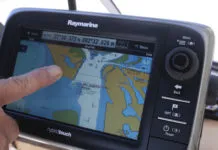
Highlights from 2012, Preview of 2013
I want to thank our subscribers new and old who have joined us on this voyage. I say voyage because, if anything, that is the word that best describes the day-to-day operations at Practical Sailor. I sincerely wish the best for you and your loved ones in the coming year, and look forward to another productive 12 months of testing and reporting. For new subscribers who are just joining us, or for old-timers who, like me, have trouble remembering what happened last week, much less last January, here are some of Practical Sailors highlights from 2012 and a peek ahead to 2013.

What Happens When Lightning Hits a Sailboat?
Lightning striking a sailboat sounds like something out of a disaster movie—but what actually happen when it does? In this episode, we break down...



Latest Sailboat Review
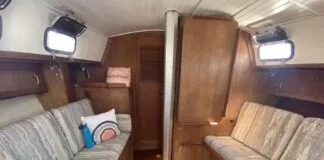
Caliber 33 Used Boat Review
The Caliber is a peculiar blend of tradition and innovation, of security and performance, of practicality and pizzazz. All of the owners we heard from were "satisfied." One called the 33 his favorite boat over six decades of sailing.